

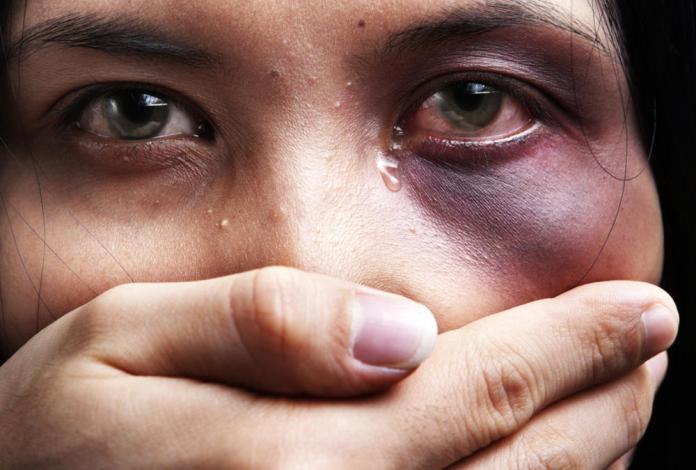


Q COSTA RICA — The Judiciary registered a total of 28,104 requests for protection orders related to domestic violence during the first six months of 2026.
This figure represents 384 more than those registered between January and June of the previous year.
The situation also includes cases of sexual violence and femicides, violent deaths of women.
During the first quarter of 2025, the Public Prosecutor’s Office registered 3,260 victims of sexual violence. Girls and adolescents between the ages of 10 and 19 were the most affected group.
In addition, there are femicides. Between 2025 and June 10, 2026, 45 cases were officially recorded in the country: 36 during 2025 and nine in the first months of this year.
Furthermore, as of that date, 13 of the 22 violent deaths of women registered in 2026 remained under analysis, meaning some of these cases could later be classified as femicides.
These figures demonstrate the need for decisions and public policies to be based on scientific evidence and official statistics, according to specialists from the Universidad Estatal a Distancia (UNED).
The academics advocated for the use of concepts developed by various disciplines to understand the causes and manifestations of violence against women.
“Violence against women is widely documented by scientific evidence and national statistics. Concepts such as intersectionality, reproductive violence, and masculinities allow us to understand the factors that increase risk and guide better strategies for prevention, care, and punishment,” said Ana Rita Argüello, a researcher and professor in the Police Science program at UNED.
For her part, Zarelly Sibaja, head of the Gender Studies Institute at UNED, explained that the language used in scientific research allows us to recognize, measure, and understand different forms of violence and inequality.
“Naming the different manifestations of violence doesn’t create the problem; it allows us to recognize, measure, and understand it in order to confront it. When research identifies patterns and structural inequalities, it provides input for better protecting women and girls,” Sibaja added.
The statement came after Costa Rica’s delegation to the United Nations Human Rights Council rejected the use of some of these concepts.
The experts insisted that the public debate must consider the available evidence to strengthen institutional responses aimed at preventing, addressing, and punishing violence against women and girls.