



Q COSTA RICA — The increase in measles cases in various countries across the Americas has led Costa Rica’s Ministerio de Salud (Ministry of Health) to issue a preventative alert for people planning to travel abroad in the coming weeks.
The Ministry urged the public to ensure they are fully vaccinated against measles before leaving Costa Rica, especially if their destination has active outbreaks.
The warning comes amid high international travel during the holidays and after the Pan American Health Organization (PAHO) reported a significant increase in cases in the region.
Between epidemiological weeks 1 and 25 of 2026 (ending on 27 June 2026), the Region of the Americas reported 22,974 confirmed measles cases from 17 countries and territories, representing an 181% increase compared to the same period in 2025.
Mexico (11,820), Guatemala (7,067), the United States (2,134), and Canada (1,079) accounted for the majority (96%) of confirmed cases. Additionally, 39 deaths have been reported, which have put health authorities in various countries on alert.
Although Costa Rica is not facing a local outbreak, authorities confirmed that so far this year, five imported or import-related cases have been identified; that is, infections related to people who acquired the disease outside the country or through contact with infected travelers.
According to the Ministry, all patients have shown satisfactory progress.
Measles is a viral disease considered one of the most contagious in the world. It is transmitted through the air when an infected person coughs, sneezes, or even talks, which facilitates its spread, especially in enclosed or poorly ventilated spaces.
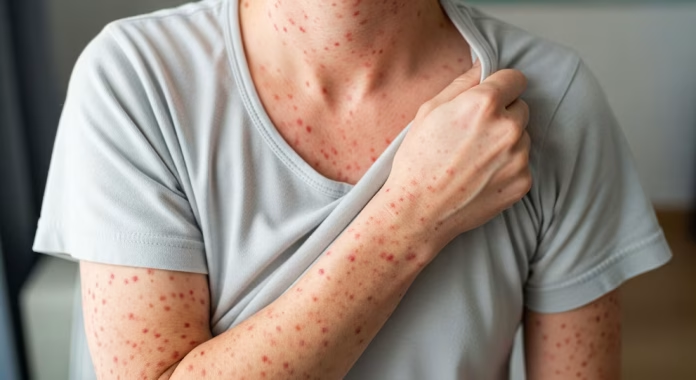
The main symptoms include fever, cough, runny nose, and red eyes. A characteristic rash then appears, starting on the face and gradually spreading to the rest of the body. Due to its high transmissibility, authorities emphasize that prevention through vaccination remains the most effective tool to avoid new cases.
In Costa Rica, the national immunization schedule includes the measles, mumps, and rubella (MMR) vaccine, administered in two doses: the first when the child turns 15 months old and the second at four years of age.
Authorities emphasized that people who cannot provide proof of having received both doses and who plan to travel to countries with outbreaks should visit their local health center to receive the corresponding immunization.
The Ministry of Health recommended that this vaccine be administered at least two weeks before travel, so that the body can develop the necessary protection before potential exposure to the virus.
In addition to vaccination, authorities reiterated a series of preventative measures that can reduce the risk of infection during international travel. These include maintaining proper hand hygiene, avoiding close contact with sick people, staying in well-ventilated areas, and being alert to any symptoms consistent with the disease.
The recommendations also extend to returning to the country. The Ministry indicated that people should monitor their health for 21 days after their trip, the period during which symptoms could appear if they were exposed to the virus abroad.
If fever, skin rashes, or other signs related to measles develop, authorities urge people to go immediately to a health center and inform medical personnel about their recent travel. This information allows for faster diagnosis, activates epidemiological surveillance protocols, and reduces the risk of further infections.
The Ministry of Health reiterated that vaccination remains the most effective measure to protect both travelers and their families and communities. It also emphasized that maintaining high immunization coverage is essential to prevent the reintroduction and spread of diseases that had been under control in the country.
With the increase in international travel and the current epidemiological situation across the continent, authorities are calling for prevention and individual responsibility, reminding everyone that a timely review of vaccination schedules can make all the difference in preventing infections and protecting public health.