Q COSTA RICA — Workers in three Latin American countries need significantly more hours to earn US$1,000 compared to workers in 38 OECD economies worldwide.
Costa Rica ranks fourth worldwide, needing about 53 hours of work on average to earn that income. Colombia leads the list at 86 hours, followed by Mexico with 78 hours, and South Africa in third place with 60 hours.
In Latin America, Chile ranks sixth among the countries needing the most hours to earn that income, averaging 51 hours.
In contrast, European countries dominate the list of places where less time is needed to earn $1,000, where the best-performing economies require less than 20 hours to reach the same amount.
Luxembourg and Iceland top the list with just 16 hours, followed by Switzerland with 18 hours, and Norway, Denmark, and the Netherlands with 19 hours.
The study compares the time needed to earn US$1,000 using average annual salaries expressed in dollars adjusted for Purchasing Power Parity (PPP), a method that takes into account differences in the cost of living between countries.
The calculations do not include taxes.
Higher wages in these countries are linked to strong financial and professional service sectors, advanced economies, high productivity, and coordinated social and labor policies.
The report highlights that low productivity, slow wage growth, high informality, and limited access to capital contribute to the longer work hours needed in Latin America.
Labor productivity in Latin America and the Caribbean rose by 2.2% in 2024 compared to the previous year, with Guyana leading the region with a remarkable 40.1% increase driven by its oil boom. Other countries showing productivity growth include Belize, Brazil, Barbados, and several others, though the region’s productivity growth still lags behind the global average.
This disparity in work hours and productivity underscores challenges in Latin America related to economic development and labor market conditions compared to more advanced economies.
The report also indicates that productivity growth is one of the main drivers for increasing income and reducing the number of hours needed to achieve the same wage level.
The ranking was compiled by Visual Capitalist using data from the 38 Organisation for Economic Co-operation and Development (OECD) economies from different regions of the world and Our World in Data, and compares the performance of 38 economies from different regions of the world and published by Bloomberg Línea.
Top 10 OECD countries in hours required to earn US $1,000:
GameZone Online Games continues attracting players across the Philippines as trust becomes an increasingly important factor in the online entertainment industry. While game variety and platform features remain important considerations, industry observers note that reliability, ease of use, and responsible gaming support are becoming major influences on player loyalty and retention.
As competition among digital gaming platforms continues to increase, players are placing greater attention on the overall user experience rather than promotional campaigns alone.
Many users now evaluate platforms based on practical factors such as navigation speed, loading performance, account accessibility, and customer confidence.
These trends help explain why GameZone continues building a loyal player community throughout the country.
Responsible Gaming Tips and Healthy Gaming Practices have also become important discussions within the industry as operators work to support long-term player engagement while encouraging balanced participation.
Player Confidence Often Forms Early
Industry analysts suggest that trust in online platforms develops much earlier than many operators expect.
Players often form opinions within the first few minutes of using a service. Slow loading times, confusing menus, and complicated account processes can negatively affect user confidence before gameplay even begins.
In contrast, platforms that offer straightforward navigation and responsive performance tend to create stronger first impressions.
GameZone focuses heavily on simplifying the early stages of the player experience. Whether users are completing account access procedures, browsing game categories, or preparing for their first session, the platform emphasizes accessibility and ease of use.
According to gaming behavior researchers, convenience frequently influences player satisfaction almost as much as entertainment value itself.
When platforms function predictably, confidence develops naturally over time.
Variety Remains an Important Factor
Player preferences continue to evolve as online entertainment options expand.
Some users prefer traditional Filipino card games, while others explore lighter entertainment experiences or newer digital releases. This shift in preferences has increased demand for platforms capable of offering multiple categories within a single environment.
Industry experts note that players who explore different game types often report higher long-term engagement compared to those who focus exclusively on one experience.
Access to multiple categories allows users to discover new interests while reducing repetition and fatigue.
GameZone Online Games have responded to this trend by providing players with access to a broad range of experiences through a single platform.
For many users, this convenience contributes directly to overall confidence and satisfaction.
Experts Highlight the Importance of Player Psychology
Researchers studying player behavior continue to emphasize the role emotions play during gaming sessions.
Excitement can encourage users to extend sessions beyond their original plans, while disappointment may influence decision-making after unfavorable outcomes.
Both reactions are considered normal aspects of human behavior.
Experienced players often manage these situations by establishing personal entertainment budgets and session schedules before gameplay begins.
Gaming professionals frequently recommend setting time limits and maintaining clear expectations regarding entertainment outcomes.
These habits reduce emotional decision-making and support healthier participation over longer periods.
Industry observers report that players who maintain personal limits often experience higher satisfaction and lower frustration levels during online gaming activities.
Responsible Gaming Gains Industry Attention
Responsible gaming practices continue receiving greater attention throughout the online entertainment sector.
Features such as session reminders, personal limits, and self-exclusion tools have become increasingly common as operators seek to promote balanced participation among eligible users.
These tools are designed to help players remain aware of their activity while encouraging healthier long-term habits.
Experts also continue reminding players that gaming outcomes remain independent events and that previous results do not influence future ones.
Understanding randomness remains an important part of maintaining realistic expectations and reducing emotionally driven decisions.
Industry professionals argue that responsible gaming initiatives benefit both operators and players by supporting sustainability and improving long-term engagement.
Regulation Continues Supporting Player Confidence
Regulatory oversight remains another important factor influencing player trust.
Many players may not consider licensing or accreditation during everyday gaming activities, but industry experts note that regulation provides important safeguards that help establish accountability and transparency.
GameZone operates under accreditation from PAGCOR and follows Philippine gaming regulations while supporting responsible gaming practices for eligible users.
Analysts suggest that recognized oversight can improve player confidence by demonstrating that a platform operates within established standards rather than without supervision.
As online gaming continues growing in popularity, regulatory compliance is expected to remain an important competitive advantage for operators seeking long-term player relationships.
Small Habits Support Better Experiences
Experienced players frequently recommend maintaining simple routines that encourage balance and enjoyment.
These habits include taking regular breaks, avoiding long sessions during periods of stress or fatigue, and setting personal schedules before beginning entertainment activities.
Industry researchers note that these practices often improve concentration and reduce emotional decision-making during gameplay.
Many players also choose to rotate between different GameZone Online Games rather than repeating the same activities every session, helping maintain variety and long-term engagement.
Although these habits may appear minor individually, experts believe they contribute significantly to healthier and more enjoyable experiences over time.
GameZone Continues Strengthening Its Position
The online gaming industry continues evolving as player expectations become more sophisticated.
While promotions and new releases remain important, trust increasingly influences long-term platform success.
GameZone continues building player confidence through reliable performance, accessible navigation, diverse entertainment options, and visible support for responsible gaming principles.
Industry analysts suggest that platforms capable of combining convenience, accountability, and consistent user experiences are likely to remain competitive as the market expands.
For many players, trust develops through repeated positive experiences rather than individual features.
That ongoing consistency may be one of the strongest reasons why players continue choosing GameZone Online Games for their digital entertainment experiences.
Frequently Asked Questions
Q: Why do players trust GameZone Online Games? A: Many players value the platform’s reliability, straightforward navigation, responsible gaming support, and broad selection of entertainment options.
Q: Does GameZone promote responsible gaming? A: Yes. The platform provides features such as session reminders, personal limits, and self-exclusion options that encourage healthy gaming habits.
Q: Is GameZone suitable for beginners? A: Yes. Its organized interface and simple navigation make it accessible for first-time players exploring online entertainment.
Q: Can players access GameZone on mobile devices? A: Yes. Supported services allow players to enjoy GameZone experiences across compatible devices.
Q: Why does PAGCOR accreditation matter? A: PAGCOR accreditation confirms that GameZone operates within Philippine gaming regulations and supports responsible gaming practices for eligible players aged 21 and above.
Q COSTA RICA — A man with the last names Carranza Vega was sentenced to 36 years in prison after being found guilty of two counts of rape and one count of sexual abuse against two minors.
The San Carlos Prosecutor’s Office reported that the sentence was handed down after prosecutors demonstrated during the trial the defendant’s responsibility for a series of sexual assaults that occurred between 2006 and 2011 in the community of San Joaquín de Cutris, in the canton of San Carlos, Alajuela province.
He took advantage of living with the victims
According to the indictment filed by the San Carlos Prosecutor’s Office, Carranza Vega lived in the same house as the family of the two minor victims, a situation that allowed him constant access to them and enabled him to take advantage of moments when no other adults were present to commit the sexual assaults.
During the trial, the Public Prosecutor’s Office successfully proved that the now-convicted man acted when he was not seen by others and that he used his proximity to the victims to perpetrate the crimes.
The investigation established that the assaults occurred repeatedly between 2006 and 2011.
The evidence presented during the trial was deemed sufficient by the Court to find the defendant criminally responsible for two counts of rape and one count of sexual abuse.
One of the elements presented during the trial was that, after committing the assaults, the accused intimidated the victims, threatening the minors to keep them silent, to prevent them from revealing what had happened, a situation that caused the events to remain hidden for several years.
It wasn’t until 2023 that both were able to bring the case to the attention of the judicial authorities, allowing the opening of the criminal investigation that culminated in the conviction.
Authorities and specialists in victim support have repeatedly pointed out that these types of situations are frequent in sexual crimes committed against minors, where fear, manipulation, and a relationship of trust or closeness with the aggressor often delay reporting for years.
He will remain in pretrial detention
Until the sentence becomes final and the corresponding procedural stages are resolved, the convicted man must remain in pretrial detention to guarantee the proper development of the judicial process and the execution of the sentence once the ruling is final.
Authorities reiterated that sexual crimes against minors constitute one of the most serious forms of violence and that the judicial system maintains mechanisms to investigate these types of cases even when complaints are filed several years after the events occurred.
Q COSTA RICA — The confirmation of two cases of monkeypox — also known as Mpox (viruela símica in Spanish) in San José has led Costa Rican health authorities to activate surveillance protocols and emphasize that the disease does not pose a high risk of transmission to the population.
The Ministry of Health, along with the Costa Rican Institute for Research and Teaching in Nutrition and Health (INCIENSA), confirmed that the patients are two men, ages 25 and 55, residents of the capital.
It was determined that neither patient had left the country in the last 30 days. Furthermore, investigations indicate that the two cases are not epidemiologically related.
Health authorities indicated that both cases were detected early and that the affected individuals are under medical monitoring and without serious complications.
To date, no new confirmed cases associated with this investigation have been identified. However, the investigation continues to identify the source of infection and trace the contacts of both cases in order to implement the corresponding surveillance and control measures.
The Ministry of Health urges the public to act responsibly, respectfully, and empathetically toward those diagnosed, their contacts, and families.
Furthermore, it is important to remember that Mpox is primarily transmitted through close physical contact with an infected person, including skin-to-skin contact, contact with skin lesions, bodily fluids, respiratory secretions during prolonged contact, or through contaminated personal items.
According to Juan José Romero, an epidemiologist at the National University (UNA), Mpox requires very close and prolonged physical contact to spread, which considerably limits its transmissibility.
“This is a very difficult disease to transmit because it requires very close, prolonged contact between an infected person and susceptible individuals,” Romero explained.
To reduce the risk of transmission, the following is recommended:
Avoid close physical contact, including sexual contact, with people who have lesions consistent with the disease or who have a confirmed diagnosis.
Do not share personal items, such as towels, bedding, or utensils, with sick people.
Maintain frequent and proper hand hygiene.
People who develop skin lesions similar to pimples or blisters, accompanied by fever, headache, swollen lymph nodes, muscle aches, or general malaise, should promptly visit the nearest health facility for evaluation.
The Ministry of Health maintains active epidemiological surveillance in coordination with the Caja Costarricense de Seguro Social (CCSS) and INCIENSA.
Health authorities recommend that those who develop symptoms consistent with the disease seek medical attention as soon as possible and notify health authorities to facilitate the epidemiological investigation.
Mpox initially manifests with fever, general malaise, and cold-like symptoms, before the characteristic skin lesions appear, which can occur anywhere on the body.
These lesions often progress to form vesicles, and the diagnosis should consider a history of travel to countries where the virus is circulating or close contact with infected individuals.
Although a significant portion of infections worldwide occurs during sexual contact, Mpox is not classified as a sexually transmitted infection.
“It is not a sexually transmitted disease, but rather it is related to close contact,” the specialist clarified.
In Costa Rica, monitoring of Mpox began in 2022, when the country registered its first case and became the first in Central America to sequence the virus’s complete genome.
Since then, the epidemiological surveillance system has been strengthened, with specific guidelines for the detection and control of the disease.
Between 2022 and 2025, several suspected cases were ruled out by PCR tests, and only sporadic cases have been confirmed, with active surveillance by the authorities.
The emergence of the two recent cases in San José coincides with a regional context of heightened surveillance of infectious diseases. Official information on monkeypox and preventive measures is available through the Ministry of Health’s official channels and urged the public to consult only reliable sources upon the detection of new cases.
Q COSTA RICA — The Juan Santamaría International Airport (SJO) or San José Airport will debut biometric gates to expedite passenger flow through immigration control.
Aeris, the airport’s concessionaire, aims to have the system operational by the end of July.
Four gates will be installed in the arrivals area and two in departures. More gates will be added as demand for the project grows.
This automated access technology, known as e-gates, is common in airports and border crossings. It uses facial biometrics to verify a person’s identity.
For San José Airport, this represents a key step forward with the implementation of this system after two years of testing.
Phased Operation
The biometric gates will be activated in phases. In the first phase, they will only be available to Costa Rican citizens with biometric passports. This is because facial geometry is already embedded in the passport’s chip, so no additional registration is required.
The next phase will be for Costa Ricans without biometric passports. In this case, a single pre-registration will be required to capture facial features.
Subsequently, the e-gates will also be available for foreigners with biometric documents.
There are no start dates yet for these phases, as the results of the first phase will be analyzed first.
Ricardo Hernández, CEO of Aeris, explained that the implementation of the gates was achieved after a complex process that included software, technological integrations, and constant testing to reach the expected reliability.
How do they work?
Costa Ricans only need to perform two simple steps to use the biometric gates:
Place their passport to be scanned.
Look at the camera.
In a matter of seconds, the system consults the database to obtain the traveler’s history and thus determines whether or not to grant them entry to the country.
A green light will open the gate, and the passenger can continue. Conversely, a red light will prevent entry and mean that further verification by an immigration officer is required.
The system aims to provide fast and secure processing to increase the airport’s capacity, especially during peak hours.
Q COSTA RICA — For three days, Johanna Fernández’s 71-year-old mother had to wait in a wheelchair despite having a broken arm and an infection called diverticulitis, for care at Calderón Guardia Hospital,
After those three days of waiting, the hospital finally assigned the patient a bed.
Fernández denounced unjustified delays in performing urine tests and administering essential treatments. She stated, for example, that the prescription for antibiotics arrived almost at midnight, after several hours of waiting.
She also claimed that the staff did not provide her mother with her blood pressure medication and that doctors and nurses passed the buck, arguing that the patient “wasn’t admitted.”
The complainant also stated that she received arrogant responses and annoyed gestures from the staff when she requested information about the mother’s (patient) condition. She also indicated that they were not allowed to accompany the elderly woman, which increased the family’s distress.
“I know perfectly well that there are excellent professionals within the CCSS (Caja Costarricense de Seguro Social) and that many work under difficult conditions and with an enormous workload. But that cannot be an excuse to normalize indifference, arrogance, misinformation, and the abandonment of patients,” she wrote on social media.
Crhoy.com reported that the Calderón Guardia Hospital attributed the situation to the high demand for services in the hospital’s Emergency Department.
The medical center explained that the service’s overcrowding causes longer wait times and requires some patients to remain under observation until a bed becomes available.
Furthermore, the institution noted that the high demand for hospital services affects the entire healthcare system, and therefore asked for the public’s understanding and solidarity.
Fernández reported that, after making the complaint public on social media, her mother’s situation was quickly resolved. She explained that her mother was transferred to the General Surgery department, where she was assigned a bed and began receiving appropriate care.
However, she insisted that her complaint goes beyond her mother’s case and seeks to highlight a structural problem within the public hospital system. She questioned the public healthcare system’s capacity to respond to a potential national emergency, such as a natural disaster or a mass casualty incident, if services already experience high levels of overcrowding under normal circumstances.
“Now that my mother is better, I can’t simply remain silent. Because this complaint was never just about her. My mother got a bed, but many other sick patients were left waiting for hours and days in wheelchairs. People in pain, fear, and anguish who also deserve to be treated with dignity,” she wrote on social media.
Hospital maintains that it prioritizes the most urgent cases
The Calderón Guardia Hospital stated to Crhoy.com that, due to the high demand, the medical and nursing staff work constantly to attend to those at greatest risk.
It also indicated that, out of respect for the patient’s privacy and confidentiality rules, it could not publicly discuss the clinical details of the case. However, it encouraged the family to use official channels to discuss their specific situation and receive the appropriate response.
Q COSTA RICA — A coordinated operation between authorities in Costa Rica, the United States, Colombia, and Panama resulted in the capture of two speedboats in the South Pacific and the seizure of 5.4 tons of drugs, as well as the arrest of six suspects, in less than 24 hours.
Costa Rica’s Ministry of Public Security confirmed that this is the second consecutive blow to drug trafficking in the maritime zone, reinforcing regional cooperation in the fight against organized crime.
Public Security Minister Gerald Campos reported that the most recent operation took place when officers from the Special Operations Group (GOPES) of the National Coast Guard Service intercepted a speedboat 145 nautical miles (270 kilometers) southwest of Golfito. The vessel, identified as “ANGEL DEL PACIFICO,” had no registration or flag and was equipped with three 200-horsepower outboard motors.
According to Campos, the operation was made possible thanks to the exchange of intelligence with the Colombian Navy and Panamanian authorities, as well as air support from the U.S. Joint Interagency Task Force South (JIATFS). Authorities emphasized the importance of international cooperation in tracking and locating these types of vessels in international waters.
Three Colombian citizens, identified by their surnames—Hidalgo (23 years old, captain), Gálvez (50), and Pertuz (31)—were aboard the boat. They were apprehended while attempting to escape.
The seizure reinforces the result achieved the day earlier, in the early hours of Wednesday, when another boat was intercepted in the South Pacific. After the final count of the cargo, the PCD (Drug Control Police) determined that 2,526 packages of cocaine, with an estimated weight of one kilogram each, comprised a total of 2.5 tons.
The two operations raised the number of people apprehended to six, four of whom are Colombian nationals and two Ecuadorian. The swift response of the security teams prevented the suspects from escaping and allowed for the seizure of all the illicit substances they intended to bring in via the Pacific route.
Q COSTA RICA — Aware that cybercriminals exploit public information to commit crimes, the Tribunal Supremo de Elecciones (TSE) — Supreme Electoral Tribunal — that maintains the Civil Registry databases has agreed to modify the consultations on its website.
Currently, civil records inquiries on the TSE website are publicly accessible. Within 45 calendar days, on August 24, the TSE will require users to create a user account to access the information, while certain data will be anonymized.
According to the TSE, this change will allow for traceability of the information reviewed. In this way, the TSE seeks to do its part in the fight against online scams, identity theft, phishing, vishing (voice phishing), and smishing (deceptive text messages).
“Given that in the current context this information could be used to build family, relational, and contextual profiles for criminal purposes, the magistrates of the TSE reached an agreement and issued instructions for the following adjustments to be made to the data contained on the website within a maximum of 45 days,” the TSE stated.
Among the information that will be kept private from now on is that related to marriages and divorces. Web searches will only display the corresponding history, without any personal details of third parties. Information about individuals’ children will also be removed from public data.
With the growth of e-commerce and easier banking, online scams have seen a significant increase since 2022, when 3,136 complaints were reported to the Organismo de Investigación Judicial (OIJ).
Since then, the problem has continued to grow exponentially, and by 2025, police authorities had recorded 10,027 cases, representing a 41% increase compared to the previous year.
The worst part is that if the current growth rate continues, by the end of this year, online scams will become the country’s leading crime, surpassing robberies, thefts, and simple fraud, which until the end of last year held the top three positions in the crime ranking.
Thus, cell phones are one step closer to being more dangerous than walking at night in a dangerous neighborhood.
In fact, reports of this type of crime increased from 19 to 27 per day between 2024 and 2025.
These stark statistics reveal a shift in consumption patterns and crime in the country, according to experts, who point out that behind each case is a person with an empty bank account or debts they didn’t incur.
The methods cybercriminals use to obtain users’ passwords vary in complexity and technical expertise, and are constantly evolving.
However, in general, it is very common for phone users to receive messages or emails warning them that a package is being held at Correos de Costa Rica (Costa Rica’s postal service), or that there is a problem with an electronic payment at the Ministry of Finance. These are frequent scams.
In this regard, the OIJ has clearly identified the main scams and warns users that skepticism is vital throughout this process.
To commit their crimes, criminals use social engineering techniques and impersonate public entities or well-known companies.
Calls, emails, text messages, and even WhatsApp are among the methods used, with the goal of tricking victims into providing sensitive information about their bank accounts or even their bank card PIN.
Another common way to steal passwords is through the use of malware, which activates once the user’s device has been compromised. In these cases, there is no specific deception or warning message, but the theft occurs in the background, often without the victim noticing.
These are the adjustments the TSE will implement:
Marriage and divorce records will continue to appear in inquiries, but will no longer display personal information of third parties.
Physical certificates issued at the main office and regional offices will retain complete information.
Online inquiries will no longer display data related to individuals’ children.
Separate access profiles will be created for lawyers, notaries, and officials or institutions that, due to their legal functions, require access to more extensive information. These special access profiles must be authorized by the TSE.
Q COSTA RICA — In June 2026, Costa Rica recorded its fourth consecutive year of negative year-on-year inflation at the end of the first half of each period.
For the period from July 2025 to June of this year, the Consumer Price Index (CPI) reached a year-on-year change of -0.32%.
Furthermore, inflation between January and June 2026, also known as accumulated inflation, closed at 0.08%, while the monthly change was 0.71%.
The goods and services with the greatest impact on the monthly change in the CPI were transportation, recreation, sports, and culture.
Of the 289 goods and services that make up the CPI, 51% increased in price, 31% decreased in price, and 18% showed no change, according to the National Institute of Statistics and Census (INEC).
Finally, the goods and services that showed the greatest positive effect on the monthly change in the CPI were gasoline, bus transportation, and international tour packages. On the other hand, eggs, diesel, and chicken breast were among those with the greatest negative effect on the monthly change.
Q COSTA RICA — Costa Rica has long been one of Latin America’s most economically steady nations. But beneath the surface of growth rates, foreign investments, and falling inflation, a different reality emerges for thousands of families: living in the country is becoming increasingly expensive.
This phenomenon is not just a public perception.
Several international studies place Costa Rica among the economies with the highest cost of living in the region, especially when analyzing essential items such as housing, food, public services, and pharmaceuticals.
The Organización para la Cooperación y el Desarrollo Económicos (OCDE)—Organisation for Economic Co-operation and Development—of which Costa Rica has been a member since 2021—itself acknowledges that, despite the country’s solid economic growth, significant challenges persist related to inequality, informal employment, and households’ access to better living conditions.
The OCDE warns that a significant portion of the population has not fully benefited from the economic growth of recent years.
One of the biggest financial blows comes from housing.
While in cities in countries like Colombia or Mexico, it is still possible to find one-bedroom apartments for the equivalent of between US$300 and US$500 per month in mid-range urban areas, in Costa Rica’s Greater Metropolitan Area (GAM), rents for similar properties frequently exceed US$700 and can approach US$1,000 in high-demand areas.
The boom in real estate projects aimed at foreigners, digital nomads, and high-income segments has increased pressure on residential market prices, making it difficult for the Costa Rican middle class to access affordable options.
Food is also affected by this phenomenon.
Basic products such as milk, eggs, meat, fruits, and vegetables often have higher prices than those found in supermarkets in neighboring countries like Panama, Nicaragua, or Colombia. Various analyses attribute this difference to factors such as the tax burden (employers in Costa Rica must contribute approximately 26.83% of an employee’s gross salary to mandatory social security (CCSS), occupational hazard insurance (INS), and worker protection funds), logistics costs, regulations, less competition in some markets, and high domestic production costs.
The case of medications is another recurring example.
Several regional studies have indicated that commonly used drugs can cost considerably more in Costa Rica than in other Latin American markets. Pain relievers, antihypertensives, cholesterol treatments, and medications for chronic diseases show significant price differences compared to countries like Mexico or Colombia, where there is greater competition among laboratories and pharmacy chains.
Private healthcare expenses also represent a challenge for those who cannot obtain a timely appointment in the public system (primary care and emergencies are addressed immediately, but non-urgent specialist appointments and surgeries can take anywhere from several months to over a year), forcing thousands of people to allocate a growing portion of their income to medical consultations and medication purchases.
Paradoxically, Costa Rica also ranks among the countries with the highest minimum wages in Latin America.
However, experts warn that analyzing only income can be misleading if purchasing power is not taken into account.
A worker may receive a salary above the regional average, but if they must allocate a much larger proportion of their income to rent, food, transportation, and utilities, their real purchasing power ends up being similar to—or even lower than—that of workers in other countries with nominally lower wages.
Transportation is another significant expense.
Although the international price of oil has fluctuated, fuel in Costa Rica remains among the most expensive in Central America due to taxes, which make up approximately 35% to 36% of the retail price of a liter of gasoline, distribution costs, and the structure of the energy market.
Added to this is the rising cost of basic services.
Electricity, water, internet, and telephone service represent a significant portion of the family budget, especially for middle- and low-income households.
Macroeconomic data seems to tell a different story.
Costa Rica maintains one of the highest levels of foreign investment in the region, economic growth above the Latin American average, and relatively controlled inflation. However, economists warn that these indicators do not always reflect the daily experiences of families.
The gap between the country’s economic performance and public perception is explained by the fact that growth is concentrated primarily in highly productive sectors—such as medical devices, business services, and free trade zones—whose benefits do not necessarily reach the rest of the economy.
Meanwhile, workers in commerce, construction, services, small businesses, and the informal economy face a scenario where every increase in the cost of rent, food, or medicine further reduces their ability to save.
The result is an increasingly evident paradox: Costa Rica continues to consolidate its position as a high-income economy, attractive to international investment, but at the same time, it is becoming one of the most expensive countries to live in Latin America, where the challenge is no longer just finding a job, but ensuring that a salary is enough to cover basic monthly needs.
The most expensive country to live in in Latin America
Uruguay is widely considered the most expensive country to live in Latin America, with capital city Montevideo regularly ranking as the priciest urban center for expats in the region. High import taxes, a strong economy, and robust social safety nets contribute to a high cost of living that rivals parts of Western Europe.
To put this into perspective, data from platforms like Numbeo frequently place Uruguay at the top of regional cost of living metrics, closely trailed by Costa Rica.
For example, using the Numbeo Cost of Living Comparison Tool, we made a comparison of Costa Rica’s cost of living to that of Panama, Colombia, and Nicaragua, top-rated destinations in the InterNations Expat Insider Survey and by My Latin Life, known for affordability and expat community sizes.
The results for Panama:
The cost of living in Panama is 18.5% lower than in Costa Rica (excluding rent)
The cost of living lncluding lent in Panama is 13.7% lower than in Costa Rica
Rent prices in Panama are 1.5% higher than in Costa Rica
Restaurant prices in Panama are 18.0% lower than in Costa Rica
Groceries in Panama are 17.7% lower than in Costa Rica
Local purchasing power in Panama is 11.6% lower than in Costa Rica.
The results for Colombia:
The cost of living in Colombia is 34.3% lower than in Costa Rica (excluding rent)
The cost of living, including rent, in Colombia is 36.5% lower than in Costa Rica
Rent Prices in Colombia are 43.4% lower than in Costa Rica
Restaurant prices in Colombia are 38.3% lower than in Costa Rica
Groceries in Colombia are 39.6% lower than in Costa Rica
Local purchasing power in Colombia is 17.4% lower than in Costa Rica.
The results for Nicaragua:
The cost of living in Nicaragua is 35.8% lower than in Costa Rica (excluding rent)
The cost of living, including rent, in Nicaragua is 42.6% lower than in Costa Rica
Rent prices in Nicaragua are 64.3% lower than in Costa Rica
Restaurant prices in Nicaragua are 45.6% lower than in Costa Rica
Groceries in Nicaragua are 32.7% lower than in Costa Rica
Local purchasing power in Nicaragua is 49.2% lower than in Costa Rica.
Q COSTA RICA — Australian actor Chris Hemsworth, internationally recognized for playing Thor in the Marvel Cinematic Universe, is enjoying a family vacation in Costa Rica, a visit that has sparked excitement among tourists and fans who have had the opportunity to meet him.
Costa Rican Coast Guard intercepts boat with nearly two tons of suspected cocaine off the coast of Bahía Ballena
The actor’s presence was confirmed by Costa Rica’s immigration service, which reported that Hemsworth entered the country on July 4, accompanied by his wife, Spanish actress Elsa Pataky.
Over the past few days, social media users have been sharing photos and videos of the actor in different parts of the Nicoya Peninsula, especially in Santa Teresa, one of Costa Rica’s most exclusive tourist destinations, internationally known for its beaches, surfing, and relaxed atmosphere.
It was later reported that the actor was seen at Playa Lajas in Montezuma de Cabuya, where he enjoyed a day of surfing with his family.
Images shared by tourists show the actor walking along the beach with a surfboard under his arm, enjoying the Costa Rican scenery and sharing family moments away from the Hollywood spotlight.
So far, the couple has not revealed details about the length of their visit or their vacation itinerary.
Hemsworth, 42, is considered one of the most important figures in action cinema of the last decade. He achieved international fame playing the god of thunder in the Marvel Cinematic Universe films, a character who debuted in the film Thor (2011) and subsequently starred in several sequels, in addition to participating in the successful Avengers films.
Beyond Marvel, the actor has also built a successful career with productions such as Rush, where he played Formula 1 driver James Hunt; Extraction and Extraction 2, two of Netflix’s most successful action films; Men in Black: International; and recently, Furiosa: A Mad Max Saga, one of the most talked-about films of 2024.
His wife, Elsa Pataky, is also a renowned Spanish actress and model. The couple married in 2010 and have three children. They often share aspects of their lifestyle on social media, characterized by sports, the outdoors, and a connection with nature.
It’s no coincidence that Costa Rica was chosen as a vacation destination. The country is widely recognized for its beaches, national parks, and biodiversity, as well as offering a private atmosphere that frequently attracts international celebrities.
In recent years, renowned artists, athletes, and businesspeople have chosen destinations like Santa Teresa, Nosara, Papagayo, Manuel Antonio, and the Osa Peninsula to relax away from the hustle and bustle of big cities.
Santa Teresa, where Hemsworth’s presence was initially reported, has become one of the most exclusive destinations on Costa Rica’s Pacific coast. Its waves attract surfers from all over the world, while its culinary offerings, boutique hotels, and natural landscapes position it among the top tourist destinations in Central America.
The actor’s visit also represents an important international showcase for Costa Rica, as images shared on social media by tourists and fans highlight some of the natural attractions that draw millions of visitors each year.
Although Chris Hemsworth continues to enjoy a family vacation and has tried to maintain a low profile, his friendly interactions with those who have recognized him have been one of the most noteworthy aspects of his time in the country.
Photographs, greetings, and smiles have been enough to make his visit one of the most talked-about events of the week in Costa Rica, reinforcing the country’s image as a preferred destination for world-renowned figures seeking to combine nature, adventure, and tranquility.
Q COSTA RICA — In the early hours of Saturday, July 4, 2026, the canton of La Cruz, in Guanacaste, Costa Rica, located in the far northwest of Costa Rica, right on the border with Nicaragua, became the scene of a violent crime that has shocked the public and raised serious concerns about security in the region.
Gabriela de los Ángeles Sanarrusia Chavarría, a well-known 28-year-old Costa Rican content creator and influencer, was shot and killed along with her partner, Jorge Isaac Agüero Corea, 30.
The attack occurred while they were sleeping in a house located in an area with a history of serious crimes. According to preliminary reports, the crime was carried out with an alarming level of planning and violence when several heavily armed men forcibly entered the property and went directly to the couple’s bedroom.
Without saying a word, the attackers opened fire indiscriminately and viciously, inflicting multiple gunshot wounds that caused their immediate deaths at the scene. After the shooting, the gunmen quickly escaped, taking advantage of the darkness of the early morning.
OIJ hypothesis and the money trail on social media
The Organismo de Investigación Judicial (OIJ) immediately took over the scene to collect evidence and begin the corresponding investigation.
Due to the extreme violence of the attack and the way it was carried out, the main hypothesis being considered by Costa Rican judicial authorities is that of revenge or a settling of scores.
However, investigators are not ruling out other lines of inquiry, including the possibility that Sanarrusia was deliberately silenced for having been a key witness in other violent incidents in the area. As of the most recent reports, the judicial police have not made any arrests related to this double homicide.
Meanwhile, law enforcement agents have focused their attention on the digital activity of the content creator, who had amassed over 100,000 followers on social media and whose last post was registered just one day before the fatal assault.
The investigation seeks to delve deeper into the lifestyle that Sanarrusia regularly displayed on her platforms. The OIJ (Judicial Investigation Agency) is meticulously analyzing the origin of these financial resources to determine if there was any connection to or funding from criminal organizations dedicated to drug trafficking operating in the province of Guanacaste.
For authorities, Gabriela’s tragic end is not an isolated incident, but rather the culmination of an extremely violent environment in which the young woman had been immersed for the past few years.
According to police records, the influencer had already miraculously survived several attacks and shared connections with people murdered in similar circumstances.
The first major blow to her life occurred on April 30, 2024, when her ex-partner and the father of her daughter, a man named Juan Carlos Cruz, was gunned down in a triple homicide perpetrated in the very same neighborhood where she would lose her life two years later.
Subsequently, on July 28, 2025, Sanarrusia survived a shooting in the street in the town of Liberia. On that occasion, gunmen on a motorcycle opened fire on the group she was with, killing another woman who was with her, while she escaped unharmed.
The danger escalated even further on May 12, 2026, just weeks before her death. Sanarrusia was traveling in a vehicle that was intercepted and riddled with bullets at least 30 times.
Although a man who was with her died in the car from the gunfire, the influencer once again emerged completely unharmed, an event that increased police suspicions that she was a priority target for criminal groups in the area.
Beyond the police and judicial ramifications, the crime leaves a deep scar of family and community grief.
Gabriela was the mother of a nine-year-old girl.
After the couple’s deaths were confirmed, the Patronato Nacional de la Infancia (PANI)—National Children’s Welfare Board – intervened immediately to ensure the child’s safety. The public institution reported that, following the corresponding risk and environmental assessments, the girl was formally placed under the care and protection of her maternal relatives.
The content creator’s remains were laid to rest yesterday, July 7, 2026, in the community of Santa Cecilia de La Cruz, amidst expressions of grief from family and neighbors.
Q COSTA RICA — Tourist arrivals to Costa Rica will continue to grow in the coming years, according to an analysis by the consulting firm Mordor Intelligence.
The expectation is that the tourism market will continue to grow at an annual rate of 7.4% until 2031.
“Within this projection, the meetings, incentives, conferences, and exhibitions (MICE) segment will grow at 13.2% annually, above the overall market rate, as will domestic travel, at 9.75%. Leisure will remain the main driver, accounting for 78.3% of the total,” according to the report published by Infobae.
According to Mordor Intelligence, several constraints are expected to reduce the projected growth rate by between 0.3 and 0.9 percentage points.
“The most costly factor in the short term is the inflation of the average daily rate in Guanacaste, which exceeds that of its regional peers during the high season and reduces the competitiveness of mid-range offerings. The other is related to the scarcity of slots at airports, which represents an additional loss of -0.8%, with significant effects for private aviation and incentive groups,” the report highlights.
Q COSTA RICA — More than 2,000 taxis stopped operating in Costa Rica on July 5th, after the deadline for renewing permits expired without the government granting an extension.
Figures from the Consejo de Transporte Público (CTP) —Public Transportation Council—indicate the national taxi fleet, known as “red” taxis, was reduced to 6,521 units, compared to the 8,581 that were authorized before the renewal period closed.
The process excluded 2,060 permit holders who did not complete the process within the established deadline. This decrease in the number of available taxis alters the current composition of the service
Official actions and outlook for the sector
The Ministerio de Obras Públicas y Transportes (MOPT)—Ministry of Public Works and Transportation—reported that it is working on measures to support concession holders and prevent a further reduction in the fleet.
MOPT Vice Minister Sofía Fallas indicated on Radio Extra 92.3 FM that they are seeking to relax some requirements to facilitate the modernization of vehicles and offer alternatives so that operators can adjust financially.
Fallas explained that the intention is to provide an adaptation period for those who need to renew or change their vehicle, highlighting the importance of modernizing the service. She also mentioned the processing of the new platform law, which would allow taxi drivers to also operate through apps and access a dual service model.
The bill has already received a favorable majority opinion in the Government and Administration Committee and is pending debate in the Legislative Assembly. Meanwhile, the Costa Rican Taxi Drivers Union requested a six-month extension for expired permits, aiming to allow more operators to regularize their status and prevent a further decrease in the active fleet.
Fleet Evolution and Recent Background
The number of taxis operating in Costa Rica has fluctuated over the years. Gilbert Ureña, former representative of the sector to the CTP, recalled that Law 7,969 allowed for the creation of 13,500 permits.
Ureña attributes the beginning of the permit reduction to 2015, when digital platforms like Uber began operating. He also noted that the pandemic and economic factors have made it difficult for many operators to remain in the business.
According to him, there were 9,120 active permits this year, although several were already in the process of ceasing operations due to non-compliance with the Caja Costarricense de Seguro Social (CCSS) or voluntary returns due to financial difficulties.
The former leader indicated that the observed decrease is not limited to the recent expiration, but is part of a process that has accumulated over the last decade.
“Of the remaining 9,000, only 7,000 have renewed their permits, and 2,060 have expired,” explained Ureña, adding that the economic situation has made it difficult to meet the requirements to maintain the permit (concession), which include the vehicular inspection, current Marchamo, commercial insurance policies covering civil liability and medical expenses for passengers, a functional taximeter (locally known as the “María”), official red paint for the vehicle.
Of the driver requirements, a taxi driver must have the right driver’s licence (C-1 Professional License), a clean criminal record, and be current with the caja and tax authorities, among others.
Unlike the platforms, ie Uber, Didi, or inDrive, official taxis can only pick up passengers within the specific province designated on their permit.
The outlook for the taxi sector in Costa Rica will depend on the evolution of official measures, the processing of the legal framework, and the ability of the drivers to adapt to regulatory and technological changes. The development of these factors will be decisive for the future of the service in the country.
At its highest point, Costa Rica had about 13,000 to 14,000 officially registered and licensed taxis, including the orange airport taxis, nationwide.
Q COSTA RICA — The historical debate within CONCACAF (Confederación de Norteamérica, Centroamérica y el Caribe de Fútbol) has been reignited. Following the United States’ 4-1 elimination by Belgium on Monday, July 6, comparisons regarding the region’s true ceiling in the modern era of the World Cup are once again on the table.
While the historical record grants the U.S. a commendable quarterfinal finish in Korea-Japan 2002, and even a third-place finish in the distant era of Uruguay 1930, a qualitative and statistical analysis demonstrates that Costa Rica’s performance in Brazil 2014 remains the purest, most efficient, and most spectacular feat in the history of football in the region.
The American dream once again clashed with European reality in this 2026 tournament. And it is precisely on the eve of these finals that the epic feat of the Costa Rican squad acquires immense value.
It’s not just about reaching the round, but about “how,” the context, and a resilience that seems straight out of a movie script, led by names that are already eternal legends of Central American football.
To understand the superiority of the Costa Rican achievement, the first major difference lies in their consistency on the field.
In Korea-Japan 2002, the United States had a historic tournament, but one that was extremely inconsistent. The Americans played five matches, suffering two resounding defeats: a painful 3-1 loss to Poland in the group stage and the decisive 1-0 defeat to Germany in the quarterfinals.
In contrast, the Costa Rican team managed by Jorge Luis Pinto left Brazil 2014 with their heads held high and with a distinction that very few can boast in World Cup history: completely undefeated.
In their five matches, the Ticos never lost in regulation or extra time.
They achieved two masterful victories and three draws, resolving their fate in two penalty shootouts (one in their favor against Greece and another against them against the Netherlands).
Finishing a World Cup among the top eight in the world without losing a single match is a privilege reserved for the absolute elite, sustained by the backbone of an unforgettable team.
The context of the rivals makes the result all the more remarkable. The United States’ journey in 2002 was highly respectable, sharing an accessible group with the host South Korea, a wounded Portugal, and Poland. They advanced as group runners-up, narrowly missing out on qualification.
Costa Rica’s 2014 campaign, however, was a suicide mission from which they emerged victorious. The draw placed them in the toughest group in modern football history, sharing the stage with three giants who boasted seven World Cup titles each: Uruguay, Italy, and England.
The entire world considered the Ticos eliminated before the first ball was even kicked.
The national team’s response?
To qualify as undefeated group leaders, convincingly defeating Uruguay (3-1) with goals from Joel Campbell, Óscar Duarte, and Marco Ureña. They then overwhelmed four-time champions Italy (1-0) with a legendary header from captain Bryan Ruiz, and secured first place with a strategic draw against England (0-0). A truly remarkable feat that dwarfs any other previous achievement in the region.
Costa Rica’s campaign was also built on defensive solidity and brilliance between the posts. That team proudly holds the CONCACAF record for the most solid defense in a modern World Cup, conceding only two goals in 510 minutes of play (a microscopic average of 0.4 goals per game).
Behind that wall, commanded by Giancarlo “Pipo” González, emerged the towering figure of Keylor Navas, whose monumental saves against attackers of the caliber of Edinson Cavani, Mario Balotelli, and the Greek forward line in the Round of 16, catapulted him to the pinnacle of world football. By comparison, the US defense in 2002 conceded seven goals in the same number of games.
Finally, the physical toll of the tournament elevates the Costa Ricans to a pedestal of endurance. Due to the agonizing extra time played in the Round of 16 and quarterfinals, Costa Rica holds the confederation’s absolute record for most minutes played in a single World Cup (510 minutes).
While the USA is still reeling from another elimination, the legacy of Brazil 2014 continues to shine brightly.
There is no doubt: quality, epic feats, personal names and statistical perfection crown Costa Rica as the true giant of World Cup achievements in CONCACAF.
Q COSTA RICA — The Ministry of Public Education (MEP) of Costa Rica issued a mandatory circular introducing a series of guidelines on political and electoral neutrality for teaching and administrative staff in state schools and colleges.
The document, signed by Education Minister José Leonardo Sánchez Hernández and Vice Ministers María Alexandra Ulate Espinoza and Sofía Ramírez González, establishes new prohibitions on addressing political issues during educational activities.
According to the circular released by the MEP itself, the use of classrooms, assessments, civic events, and institutional resources for political propaganda, proselytizing, or indoctrination is prohibited. The directive emphasizes that, while officials retain their individual freedoms, these do not authorize the use of their position, work hours, or pedagogical relationship to influence students’ political preferences or favor political parties, candidates, or ideological positions.
The circular also states: “Teaching staff may not use their authority or influence to induce, pressure, or politically direct students,” according to the official document.
Among the behaviors expressly prohibited by the Ministry of Public Education (MEP) are:
Conducting political-electoral, partisan, or ideological propaganda directed at students, officials, or members of the educational community.
Using classes, assignments, exams, projects, civic events, murals, posters, digital platforms, or other institutional means to promote or discredit political parties, candidates, public figures, or political movements.
Inviting, soliciting, or pressuring students to participate in marches, campaigns, meetings, signature drives, surveys, fundraising, or other political activities.
Incorporating content, questions, or examples into classes or assessments that lead students toward a predetermined political conclusion, when this exceeds or distorts the official curriculum.
Placing or distributing electoral propaganda within educational institutions or through official channels, except as provided by the Supreme Electoral Tribunal (TSE).
Allowing the entry or presence of external individuals whose purpose is to conduct propaganda, proselytizing, or ideological indoctrination.
The directive clarifies that teachers may address political, social, economic, and institutional issues when these are part of the official study programs. The Ministry of Public Education (MEP) allows the development of content on electoral processes, public institutions, human rights, ideologies, social movements, and historical events, provided that the approach serves academic purposes and does not seek to promote a political position.
To guarantee objectivity, faculty members must present different perspectives, use diverse sources, and foster students’ critical thinking. They are also required to refrain from imposing personal opinions as evaluation criteria or as an institutional position.
La Nación reported that several teachers, speaking on condition of anonymity, expressed concern about the wording of the circular, as the language used could allow for loose interpretations that could lead to sanctions or reprisals against those who disagree with the current government.
Q COSTA RICA — Not long ago, payphones were a common sight on the streets of Costa Rica, a vital link for millions who didn’t have access to personal telephones.
Before cellular phones, these public communication stands and sometimes booths offered a simple but essential service—connecting people, whether to arrange a meeting, check in with family, or make an emergency call.
But over the years, Costa Rica’s payphones have undergone a dramatic transformation, mirroring shifts in technology, society, and communication habits.
In the early days, payphones were a symbol of progress. Installed predominantly in the 1980s and 1990s by the state telecommunications company, the Instituto Costarricense de Electricidad (ICE), payphones sprouted up across urban centers, rural towns, and even remote villages.
For many Costa Ricans, the payphone was their primary telephone access point. The coin-operated machines were sturdy, simple to use, and reliable. They were often strategically placed near bus stops, markets, plazas, parks, clinics, hospitals, prisons, and government buildings to maximize accessibility.
As mobile phone technology advanced and prices dropped, the payphone’s role began to shrink.
By the late 2000s, the rise of affordable cell phones started to make public phones less relevant. People preferred the convenience of carrying their own device rather than hunting for a payphone. The expansion of cellular networks across Costa Rica, even into rural areas, further accelerated this decline.
The 2010s marked a turning point. The ICE began decommissioning many payphone units, citing maintenance costs and dwindling use. In their place, mobile phones and internet-based communication became the norm.
Payphones that once buzzed with activity fell silent, some left as relics on street corners, others removed altogether.
Yet, payphones in Costa Rica have not disappeared entirely. In 40 years of developing the
public telephone program, ICE installed more than 21,000devices throughout the
country, constituting the most robust public telephone network in Latin America.
Before ICE, the history of telephony in Costa Rica began in 1877, when the first telephones were brought from England.
The public telephone network has decreased considerably, with just over 2,400 devices still operational. The vast majority are concentrated in prisons, although you can still find some units in strategic locations, serving as a backup in emergencies or in areas with poor mobile coverage. Some have even been repurposed for community use, transformed into Wi-Fi hotspots or mini-libraries, blending the old with the new.
The story of Costa Rica’s payphones is a snapshot of a broader global trend—the rapid evolution of communication technology reshaping everyday life. From indispensable public utilities to nostalgic artifacts, payphones tell a story of how a country adapted to the digital age while still preserving links to its past.
As Costa Rica continues to embrace the future, the humble payphone remains a quiet reminder of a time when a coin dropped into a slot could connect you to the world.
Payphone fact: In emergencies or during times when mobile networks falter, payphones remain a fallback option, especially in areas where infrastructure challenges persist. If you are ever in an emergency, you can dial 9-1-1 free of charge from any public phone.
Q COSTA RICA — The President of Costa Rica, Laura Fernández, has suggested that elementary and high-school students visit the maximum-security prison being built by the government in Alajuela, in the La Reforma prison complex.
The proposal has met strong opposition, in particular from the president of the Partido Liberación Nacional (PLN) and legislator for the Coalición Agenda Ciudadana (CAC), Claudia Dobles.
Both voices coincide, saying, instead, that students should be exposed to ideas and environments that inspire them.
“The president’s medieval idea of taking students from poor areas on tours of the mega-prison is absurd and discriminatory. Take them to national parks, universities, and theaters. A child doesn’t need to see darkness, but rather what awakens their imagination,” Sancho said.
For her part, Dobles feels that instead of scaring schoolchildren and college students with prison tours, the government should create job opportunities and improve Costa Rican education to combat common crime and organized crime.
“Señora Presidenta, the best way to prevent organized crime from taking over our youth is to give them opportunities, to provide them with schools and decent educational infrastructure, so they can dream of going to university, of having a decent job, of a better future. That is how we will prevent our young people from continuing to be recruited by organized crime. Insecurity is not only combated with a heavy hand, it is also combated with opportunities and with prevention,” Dobles said.
Currently, Costa Rica is experiencing a war between drug trafficking gangs for control of drug-selling territory.
And although the number of homicides has decreased by 17% compared to the same period last year, insecurity remains a serious problem.
In this context, last Wednesday, President Laura Fernández suggested prison tours.
“Hopefully, we can tour some schools in dangerous neighborhoods around the country where kids are taking risks, where young people think that crime can be their way of life. Let’s make some visits, (Minister of Justice) Don Gabriel, so that the young people of Costa Rica, who are being tempted to get involved in what we already know will lead them to wear that uniform, think twice. We still have time,” Fernández said, referring to the new prison that is being built.
Fernández also announced last week that, when the new maximum-security prison, known as Centro de Atención Institucional de Contención (CACCO), opens, the inmates will be required to wear bright orange prison uniforms, which include security features such as shackles for the transfer of high-risk inmates.
In Costa Rica’s prison system today, most inmates continue to wear their everyday clothes.
The new prison is expected to open in the third quarter of this year and is modeled after a prison in El Salvador.
San Jose traffic during downpours (and even without). Photo from Diario Extra.
Q COSTA RICA — Due to reduced traffic during the mid-term school break in San José and increased volume on the road to the beaches and mountains, the traffic police announced the suspension of the vehicle restriction for the entire holiday period.
This means the measure went into effect on Monday, July 6th, and will return on Monday, July 20th.
This will allow the redirection of traffic police resources to handle roadside enforcement duties typical of the holiday season, such as speeding and improper passing, two of the major causes of accidents on the country’s highways.
The license plate restriction applies in the area inside the Circunvalación (ring road) and all streets within that perimeter, with the exception of the section of Circunvalación Norte (northern ring road) between the Calle Blancos intersection and the La Uruca interchange (near the former Burger King).
Current map of the vehicular restriction area. The law to add the area within the Circunvalación Norte is pending.
Normally, the vehicular restrictions of San José apply on weekdays (Mondays to Fridays), as follows:
Mondays: license plates ending in 1 & 2
Tuesdays: license plates ending in 3 & 4
Wednesdays: license plates ending in 5 & 6
Thursdays: license plates ending in 7 & 8
Fridays: license plates ending in 9 & 0
The Fine for violation is ¢26,070 colones for each occurrence.
Q COSTA RICA — The Juan Santamaría (San José) International Airport (SJO) has implemented SJO Fast Track, a new priority access service that expedites passenger transit in international departures and arrivals.
The initiative began operating on July 1st as part of efforts to enhance the travel experience and optimize traffic flow within the terminal.
In the departures area, priority access is located before immigration control. In international arrivals, it operates before immigration and prior to customs control.
The service aims to expedite the travel process for passengers during peak periods, without replacing the mandatory controls established by the authorities.
“At AERIS, we continuously work to incorporate improvements that enhance the experience of those traveling through Juan Santamaría International Airport. SJO Fast Track represents another step in that commitment, providing an alternative that optimizes passenger time and strengthens the airport’s competitiveness through a more modern, efficient operation focused on the needs of our users,” stated Ricardo Hernández, CEO of AERIS.
In addition to reducing transit times, the service will allow for a more efficient distribution of passenger flow during peak hours.
According to AERIS, this improvement optimizes the use of airport infrastructure and strengthens the airport’s capacity to respond to passenger traffic growth.
Users can purchase individual passes through the official Juan Santamaría International Airport website, from where they will be redirected to the purchase platform.
Each pass, costing $100 per person, will be valid for one person and for a single use. Children under seven years of age will enter free of charge when traveling with an adult who has a valid pass.
Subsequently, passengers will be able to manage their passes using dynamic QR codes, integrate them with electronic wallets, and validate their entry with scanning systems.
The airport is also promoting commercial partnerships to expand access options to the service.
As part of this strategy, Costa Rican Mastercard Black cardholders will be able to use SJO Fast Track according to the brand’s terms and conditions.
The service will operate from 4:00 a.m. to 8:00 p.m. for departures and from 11:00 a.m. to 10:00 p.m. for international arrivals. For more information, visit the Aeris website.
Q COSTA RICA — A man with ties to Hamas will remain in custody in Costa Rica, awaiting extradition, after the Constitutional Chamber, known commonly in Costa Rica as Sala IV, on Friday rejected a petition for habeas corpus filed on his behalf and upheld that Abuawad Abuadeh’s arrest was carried out in strict accordance with national law and due process.
The case began when Costa Rica’s Immigration Police discovered that Abuawad Abuadeh was in the country as a tourist without having regularized his immigration status to work.
When he refused to submit to biometric testing, authorities consulted international databases, which yielded a positive profile for him as a terrorist.
The Sala IV determined that the arrest was not arbitrary, given that it was carried out by competent authorities in accordance with due process.
The habeas corpus petition had been filed on June 22 by a Costa Rican citizen. The possible deportation of the foreigner is currently being processed.
Abuawad Abuadeh was transferred to the Central Region Detention Center in Los Lagos de Heredia to begin the deportation process.
Hamas (an acronym for the Islamic Resistance Movement) is a Palestinian political and paramilitary organization with a jihadist and nationalist ideology, founded in 1987. It has governed the Gaza Strip since 2007 and is widely designated as a terrorist organization by multiple countries and international institutions.
Previously, the Costa Rican government stated that it considered any group designated as a terrorist organization by the United States government to be a terrorist organization.
Q COSTA RICA — The increase in measles cases in various countries across the Americas has led Costa Rica’s Ministerio de Salud (Ministry of Health) to issue a preventative alert for people planning to travel abroad in the coming weeks.
The Ministry urged the public to ensure they are fully vaccinated against measles before leaving Costa Rica, especially if their destination has active outbreaks.
Between epidemiological weeks 1 and 25 of 2026 (ending on 27 June 2026), the Region of the Americas reported 22,974 confirmed measles cases from 17 countries and territories, representing an 181% increase compared to the same period in 2025.
Mexico (11,820), Guatemala (7,067), the United States (2,134), and Canada (1,079) accounted for the majority (96%) of confirmed cases. Additionally, 39 deaths have been reported, which have put health authorities in various countries on alert.
Although Costa Rica is not facing a local outbreak, authorities confirmed that so far this year, five imported or import-related cases have been identified; that is, infections related to people who acquired the disease outside the country or through contact with infected travelers.
According to the Ministry, all patients have shown satisfactory progress.
Measles is a viral disease considered one of the most contagious in the world. It is transmitted through the air when an infected person coughs, sneezes, or even talks, which facilitates its spread, especially in enclosed or poorly ventilated spaces.
The main symptoms include fever, cough, runny nose, and red eyes. A characteristic rash then appears, starting on the face and gradually spreading to the rest of the body. Due to its high transmissibility, authorities emphasize that prevention through vaccination remains the most effective tool to avoid new cases.
In Costa Rica, the national immunization schedule includes the measles, mumps, and rubella (MMR) vaccine, administered in two doses: the first when the child turns 15 months old and the second at four years of age.
Authorities emphasized that people who cannot provide proof of having received both doses and who plan to travel to countries with outbreaks should visit their local health center to receive the corresponding immunization.
The Ministry of Health recommended that this vaccine be administered at least two weeks before travel, so that the body can develop the necessary protection before potential exposure to the virus.
In addition to vaccination, authorities reiterated a series of preventative measures that can reduce the risk of infection during international travel. These include maintaining proper hand hygiene, avoiding close contact with sick people, staying in well-ventilated areas, and being alert to any symptoms consistent with the disease.
The recommendations also extend to returning to the country. The Ministry indicated that people should monitor their health for 21 days after their trip, the period during which symptoms could appear if they were exposed to the virus abroad.
If fever, skin rashes, or other signs related to measles develop, authorities urge people to go immediately to a health center and inform medical personnel about their recent travel. This information allows for faster diagnosis, activates epidemiological surveillance protocols, and reduces the risk of further infections.
The Ministry of Health reiterated that vaccination remains the most effective measure to protect both travelers and their families and communities. It also emphasized that maintaining high immunization coverage is essential to prevent the reintroduction and spread of diseases that had been under control in the country.
With the increase in international travel and the current epidemiological situation across the continent, authorities are calling for prevention and individual responsibility, reminding everyone that a timely review of vaccination schedules can make all the difference in preventing infections and protecting public health.
Q COSTA RICA — The Instituto Nacional de las Mujeres (INAMU) — Costa Rica’s National Institute for Women – has raised the alarm, reporting that the World Cup finals have coincided with periods of high domestic violence reports in the country.
According to historical data from the 9-1-1 Emergency System, 443 such reports were recorded in just 24 hours during the Qatar 2022 World Cup final, while the figure reached 439 cases during the Russia 2018 final.
The campaign “Vivamos el Mundial sin violencia contra las mujeres” (Let’s Experience the World Cup Without Violence Against Women), launched by INAMU, uses this data to highlight the risks that soccr events pose to families.
The figures reflect that the total number of domestic violence cases does not experience a significant increase during tournaments, although noticeable increases are observed on specific days that coincide with high-profile football matches.
Authorities indicate that up to 69% more reports have been registered compared to the average for other days of the tournament. According to the data collected, the increase in reports coincides with key match dates, especially on days of high interest.
Authorities reinforce prevention of domestic violence
INAMU warns that on some World Cup days, the emergency system has received nearly 500 reports of domestic violence in a single day, which reinforces the urgency of strengthening prevention and immediate response actions. The agency emphasizes that no emotion associated with football can justify aggression and calls on citizens to enjoy the sporting event in an atmosphere of respect.
“Ningún gol, ningún penal y ningún resultado justifican una agresión” (No goal, no penalty, and no result justifies aggression) is the central message of the campaign, which focuses on the need to report any act of violence and to ensure that support services are available throughout the 2026 World Cup.
The INAMU is coordinating efforts with other Costa Rican government institutions to ensure support for victims and timely intervention in emergency situations.
Authorities insist that prevention and reporting are essential tools to combat domestic violence and protect women’s rights. The organization recommends finding positive ways to channel emotions related to sports and strengthening spaces for peaceful coexistence both at home and in the community.
The campaign is being disseminated through social media and digital platforms, using compelling statistics and direct messages to raise awareness of the issue. INAMU reiterates that domestic violence is never justified and that the protection of women must be a priority in all contexts, especially during major sporting events.
Q COSTA RICA — The acting president of Venezuela, Delcy Rodríguez, expressed her deep and heartfelt gratitude to the national and international rescue teams, with special emphasis on the Costa Rican Red Cross delegation, following the successful rescue of Hernán Gil.
The Venezuelan, who worked as a security guard, was found alive after being buried for eight days under the rubble caused by the twin earthquakes measuring magnitudes of 7.2 and 7.5 that struck just 39 seconds apart, on June 25, 2026, triggering widespread structural collapses.
In a video released on her official platforms and social media after personally visiting Gil at a private medical center, Rodríguez described the rescue on July 2, 2026, as a true “miracle” of cooperation, tenacity, and human solidarity in the midst of tragedy.
During her meeting with the survivor and his family, the acting president highlighted the seamless coordination between local institutions and allied countries that responded to the emergency call to clear a path through the destruction in the Playa Grande area.
“I want to thank the Costa Rican Red Cross, which coordinated with the Venezuelan Red Cross so that, miraculously, on July 2, 2026, we were able to rescue Hernán Gil, a noble Venezuelan, alive,” Rodríguez stated, visibly moved.
Likewise, Rodríguez extended his gratitude to all the other international rescue teams from the United States, Portugal, and El Salvador, whose men and women worked tirelessly on the ground. She also praised the uninterrupted and patriotic effort of the local forces.
A complex race against time under tons of rubble
The location and subsequent extraction of Hernán Gil began thanks to the persistence of a worker in the Galerías de Playa Grande area, who firmly claimed to have heard noises and signs of life in the collapsed area.
Although other rescue groups initially didn’t believe him due to the magnitude of the disaster, the Costa Rican Red Cross trusted his testimony and went to the site. Meanwhile, the Venezuelan Red Cross stationed an ambulance and medical personnel at the location for four tense and hopeful days.
Gil was trapped in the third basement level of the security booth where he was on duty at the time of the earthquake. In an exclusive interview with Noticias Telemundo, Wagner Leiva, head of the Costa Rican Red Cross mission, described the enormous technical difficulty of the rescue operation.
“The process described as locating him required technical and technological equipment to pinpoint and triangulate Don Hernán’s location. The Costa Rican Red Cross began search and rescue operations by cutting through and penetrating structures, but as we ventured deeper into the rubble, we realized that thousands of tons of debris were located in this area,” Leiva told international television.
The danger for the rescuers and for the security guard himself was extreme. An adjacent building at the rear was severely tilted and threatened to collapse, registering constant movements that dangerously increased the pressure on the underground structure where Gil lay.
Despite extreme exhaustion after grueling days, Leiva emphasized his delegation’s unwavering commitment to continuing their work in other affected areas, such as the Sol Marina Garden complex, motivated solely by the suffering of the affected families.
“If I am tired and thirsty, how do you think the Venezuelan people are suffering? As long as there is life and hope, we will continue searching,” declared the head of the Costa Rican mission, closing a chapter that restores faith to an entire nation.
Q COSTARICA — The number of collateral victims of homicides in Costa Rica during the first half of 2026 fell to 20, representing a 57% decrease compared to the same period of the previous year.
This decline, which the Organismo de Investigación Judicial (OIJ) still consider preliminary, is attributed to more targeted attacks and an overall decrease in homicides, although the number could change.
Projections from the OIJ anticipate that the country will end the year with fewer than 800 homicides in a context of a general decrease in lethal violence. This decrease has reduced the exposure of bystanders to criminal disputes, according to specialists cited in El Observador.
The reduction in collateral victims reflects a trend in which assailants seek to attack when the target is alone, thus minimizing the risk to bystanders. However, authorities warn that errors in the execution of homicides still occur and that the category of collateral victim can change after new evidence or testimonies emerge.
The category of collateral victim, explained the acting director of the OIJ, Michael Soto, is usually defined at the crime scene, but it commonly changes during the investigation. Soto emphasized that the figure is provisional and could increase as the investigation progresses: “That number is probably higher,” he said.
The professionalization of hitmen does not explain the decrease
The decrease in homicides and collateral victims does not imply greater professionalization of hitmen (sicarios in Spanish) in Costa Rica. According to Soto, serious flaws persist in the execution of attacks, such as shooting the target’s companion or making mistakes during the escape.
Experts consulted agree that the phenomenon is more a response to changes in the dynamics of the attacks than to a qualitative leap in the training of the perpetrators. Criminologist Erick Villalba explained that a victim’s classification depends on the initial information, but it can change as the investigation progresses and new data emerges, such as criminal connections or cell phone analysis.
Villalba maintained that, sometimes, the investigation can reveal that a person initially considered the primary target was actually a collateral victim, and vice versa. “The classification is based on the information available at that time,” the criminologist said.
Criminologist Esteban Ruiz positively assessed the observed decrease, noting that it means “fewer people unrelated to these drug disputes are losing their lives in Costa Rica.” However, he stated that it is not yet possible to speak of a widespread professionalization of hitmen, although some attacks show greater precision and planning.
Ruiz warned that carrying out homicides in public spaces continues to pose a high risk to bystanders, and that the presence of teenagers and young adults as perpetrators reveals a lack of experience in many cases.
Villalba acknowledged that certain criminal groups have refined their methods, choosing the locations and times of attacks more carefully, as well as surveilling the victims beforehand. Despite these changes, he clarified that this does not necessarily equate to professionalism, but rather to an evolution in the strategy of some groups.
Authorities and specialists insist that the decrease does not imply a qualitative leap in the professionalization of hitmen, but rather specific adjustments in the criminal dynamics.
Q COSTARICA — Criminal gangs have begun using schools and colleges as recruitment grounds for minors into commercial sexual exploitation networks, according to the report “Explotación sexual comercial de niños, niñas y adolescentes (ESCNNA)” — Commercial Sexual Exploitation of Children and Adolescents.
The document, prepared by the Interdisciplinary Program for Studies and Social Action on the Rights of Children and Adolescents (Pridena) at the University of Costa Rica (UCR) and the Institute for Interdisciplinary Studies of Children and Adolescents (Ineina) at the National University (UNA), describes how educational environments in Puntarenas, Corredores, and Garabito have been used to recruit victims.
The research, cited by CR Hoy in its coverage, identifies that the problem is exacerbated by social exclusion, poverty, student disengagement, lack of opportunities, and the presence of drug trafficking. All these factors have created an environment where minors are vulnerable to sex trafficking networks.
According to the report, educational institutions serve a dual purpose. On the one hand, they are presented as spaces of institutional protection for students. On the other, they can become settings where commercial sex trafficking networks operate.
Within schools, some minors, already linked to criminal groups, seek to recruit their own classmates to integrate them into these networks.
Among the recruitment methods identified, it is noteworthy that the first contact with victims can occur within the schools themselves. Criminal groups use students to approach other students and convince them to join the network with promises of protection and financial benefits. Furthermore, the report warns that social media plays a significant role, as it is used to recruit victims and to promote the objectification and sexualization of the female body.
The study also points out the lack of specific statistics in Costa Rica on legal proceedings related to the commercial sexual exploitation of minors. Although related crimes exist, the lack of data makes it difficult to assess the magnitude of the problem. For reference, the Public Prosecutor’s Office reported a total of 3,203 cases of sexual relations with minors in 2025.
Regarding the institutional response, the research indicates that specialized prosecutors have focused their efforts on increasing penalties, without making equal progress in prevention. The report highlights the need to strengthen preventive actions through greater social investment and the creation of a national program for the prevention of sexual exploitation.
When asked about the actions of the Patronato Nacional de la Infancia (PANI) —National Children’s Welfare Board, the institution acknowledged that it faces significant challenges in guaranteeing the rights of minors, especially victims. PANI emphasized that the complexity of the phenomenon and the associated crimes requires the coordination of comprehensive, inter-institutional, and inter-sectoral processes.
The research concludes that the presence of drug trafficking, violence, and social inequalities has facilitated the operation of commercial sexual exploitation networks that use increasingly sophisticated recruitment strategies.
This phenomenon affects both the victims and the institutions responsible for their protection, which recognize the need for broader and more coordinated responses to address this problem.
RICO’s Q — Here’s a fresh take on the idea: What if legislators, instead of the Judiciary, chose the Fiscal (Attorney General)?
Currently, the Attorney General is selected by the justices of the Supreme Court.
If that change happened, the legislators of the ruling party, the Pueblo Soberano (PPSO), with a majority in the legislature—especially those facing criminal accusations—would get to pick who enforces the law.
That’s a pretty big power shift.
That is the proposal by PPSO legislator Marta Esquivel in presenting a bill that, in her opinion, would establish an independent Attorney General’s Office that is truly accountable, with a more transparent appointment process.
“Costa Rica needs an Attorney General’s Office that, in addition to being independent, is transparent, accountable, and responsive to the public interest. With this initiative, we seek to strengthen public trust in the Attorney General’s Office through an open election, clear rules, and effective oversight mechanisms, so that an institution with such power always acts in service to the people of Costa Rica and not to private interests,” stated the legislator.
Now, that is a proposal that merits discussion and analysis if it weren’t for the fact that Marta has more than 14 pending criminal cases due to the biggest corruption case in the history of the CCSS, the case known as ‘Caso Barrenador’, she wants to get revenge on the current Attorney General.
An Attorney General appointed by a simple majority of the Legislative Assembly would be a puppet of the Chavista party and could clearly affect the outcome of her case, as well as those of at least 11 other current legislators in the 2026–2030 term who face ongoing criminal investigations at different stages.
It might also be giving a hand to former President Rodrigo Chaves, who led the country from 2022 to 2026. Chaves’s final stretch in office was marked by several high-profile criminal investigations, political corruption scandals, and security threats.
Q COSTARICA — The 2027 Marchamo (vehicular circulation permit) will undergo a dramatic change, as the national insurer, the Instituto Nacional de Seguros (INS), will move from the traditional sticker to the new digital sticker.
Without GPS, the new Marchamo uses the UHF radio frequency for traffic control, but does not have satellite tracking or monitor the vehicle’s location.
The idea is that owners of vehicles with windshields, such as cars, trucks, and buses, will no longer have to physically remove and replace the sticker annually to renew the Marchamo, as has been done since 1974 with the introduction of the ‘modern version’ of the Marchamo.
With the Digital Marchamo, following the acquisition, the registration fee can be paid online or through the usual channels, keeping the same sticker affixed to the windshield throughout its 10-year validity period.
Motorcycles were initially excluded from the project; however, a pilot program will be implemented to determine their lifespan under adverse conditions, given that the sticker is typically applied to the motorcycle’s frame and exposed to the elements.
The INS has already reviewed and approved the new digital registration sticker. The institution has verified that the samples submitted by the supplier meet the offered product and all required standards, according to the technical specifications established in the tender documents.
“The new digital vehicle registration sticker includes UHF technology, selected according to the project’s technical specifications. It also incorporates security mechanisms that improve upon the current sticker. If it peels off the windshield, the device self-destructs, strengthening the prevention of fraud, counterfeiting, or tampering,” stated the INS.
The payment process for the following year’s circulation permit usually begins on the first business day of November each year (on November 2 for the 2027 period). While it can be paid, a valid vehicle technical inspection (currently done by Dekra) is required to obtain the sticker. Included in the payment is the Mandatory Auto Insurance (SOA), which offers basic medical and hospital coverage in case of traffic accidents.
With the digital marchamo, following payment, the INS sends the vehicle owner the vehicle registration document to the email provided by the user at the time of payment, which was previously issued on paper. If it is not possible to receive it via email, other download options will be available.
The sticker will continue to be affixed in the same way as it is today, to the inside of the windshield. If it is applied incorrectly or is destroyed, the vehicle owner must go to the INS offices to have it replaced.
Starting this month, the INS will begin a campaign to explain how this system works to the public.
RICO’s Q — Pickpockets often work in groups of three or more, especially around metro platforms, bus stops and crowded stations.
While you are waiting, they are watching.
They look at what you are doing, what you are carrying and where you keep your phone or wallet. When tourists check tickets, take out their phone, open a bag, pay for something or keep touching the same pocket, they are showing exactly where their valuables are.
At bus stations, the moment you arrive, do not only look for your train or bus. Scan the people around you, too.
Be careful when you see a small group standing close together but not really talking, often positioned in a loose circle, with large bags, jackets over their arms or hands kept close to other people’s bags. They may be watching passengers more than they are waiting for transport.
Do not panic, but do not ignore it either.
Make eye contact. Move your bag to the front. Put your phone away. Keep your wallet inside a closed bag or secure front pocket, and do not keep checking where it is.
The moment people see that you are alert and that you have noticed what is happening around you, you become a much harder target.
My experience
It’s been almost ten years, but I can still see the moment clearly in my mind. I keep replaying it, wondering how I ended up as a victim, and how I might have stopped it from happening.
Unfortunately, I haven’t changed my habits much — except that I stopped taking public transportation.
The whole thing took just seconds. I remember the noise in the aisle as I stood up to let someone off at Multiplaza. I also recall a woman who had been standing near me suddenly moving toward the front of the bus, glancing back.
When I sat down again, I realized something was gone—my wallet, taken from my front pocket.
I’ve tried to remember if I felt anything when it happened, but even now, since that day in 2019, I can’t say that I did.
My advice
They are looking for a distraction. Do not give it to them.
Q COSTARICA — A new regulatory plan is set to limit vehicle owners to a maximum of three cars registered on ride-hailing platforms like Uber and Didi.
The proposal aims to bring more control and order to these services, which have grown rapidly and now affect a large number of families.
Under the new rules, owners would not be able to register more than three vehicles to operate on these platforms. Additionally, the plan includes requirements such as annual fees, mandatory voluntary insurance, and the payment of taxes.
Vehicles must be no older than five years, and the legislation also contemplates special licenses and possibly changing vehicle colors to differentiate them from traditional taxis.
The measures seek to address concerns about unregulated ride-hailing operations and their impact on the broader transportation ecosystem. It is estimated that over 150,000 families could be affected by these changes, given the widespread use of platforms like Uber and Didi for income generation.
This initiative is part of a broader effort to regulate and formalize ride-hailing services, balancing the needs of drivers, vehicle owners, passengers, and traditional taxi services.
The proposed retention of 1.5% per trip by the platforms is also a notable component, aiming to ensure fair contributions to the system.
The plan is still under discussion and may evolve before becoming law, but it signals a clear intent by authorities to impose stricter oversight and structure on the ride-hailing market in the country.
Q COSTARICA — Starting today, July 1st, an adjustment to train, bus, taxi, and toll fares will take effect due to the withdrawal of the ¢5, ¢10, and ¢25 coins from circulation.
According to the Banco Central de Costa Rica (BCCR) — Central Bank, these coins will no longer be valid as legal tender. The institution also confirmed that the ¢5 coin will be permanently withdrawn from circulation.
As a result, the Public Services Regulatory Authority (ARESEP) adjusted public transportation fares for amounts ending in ¢5. In all cases, fares will be rounded to the nearest multiple of ¢10.
Buses
The adjustments will be distributed as follows:
48.3% of fares (2,324) will remain unchanged.
24.9% (1,197 fares) will decrease by ¢5.
26.8% (1,288 fares) will increase by ¢5.
ARESEP also reported that it continues working on the implementation of the electronic payment system through SINPE-TP.
Taxis
Fares for taxis adapted for people with disabilities will be adjusted. However, sedan taxis, rural taxis, and the orange taxis at Juan Santamaría International Airport will maintain their current fares.
Nevertheless, all taximeters will be reprogrammed to register increases of ¢10 starting July 1st.
Trains
Routes that will maintain the same fare:
Indoor Club – Pacific Station
Pacific Station – Metrópoli III
Universidad Latina – Heredia
Alajuela – Heredia
Routes that will increase by ¢5:
Pacific Station – Belén
Indoor Club – Metrópoli III
Atlantic Station – Heredia
Atlantic Station – Cartago
Coastal Shipping (Ferries and Boats)
Fares that will not change:
Adults on the Puntarenas – Paquera route.
Minors on the Puntarenas – Playa Naranjo route.
Fares that will decrease by ¢5:
Adults on the Puntarenas – Playa Naranjo route.
Minors on the Puntarenas – Paquera route.
Minors on the Isla Chira – Costa de Pájaros route.
All users of the Puerto Lindo – Barra del Colorado route.
All users of the Tortuguero – La Pavona route.
Fares that will increase by ¢5:
Tortuguero – San Francisco Peripheral Route.
Tolls
The following fares will decrease by ¢5:
Light vehicles at the Florencio del Castillo Highway toll plaza.
Buses and cargo vehicles at the Braulio Carrillo Highway toll plaza.
The other vehicle categories will maintain their current fares. Although adjustments of ¢5, both upward and downward, were planned, these will not be applied because the National Road Council (CONAVI) has suspended toll collection on those routes.
Given these changes, ARESEP reminds public transportation operators that it is not permitted to keep passengers’ change. This may constitute the withholding of fare collection and can be penalized according to the law.
Q COSTARICA — The first half of 2026 shows a downward trend in the number of homicide victims compared to the same period in 2025.
Official data, presented by the Organismo de Investigacíon Judicial (OIJ), reflects a reduction from 440 to 378 homicides registered in the country. This decrease represents a 14% drop in the total number of victims, marking a slight improvement in efforts to contain lethal violence.
Although May remains the month with the highest number of homicides (77 in 2025 and 71 in 2026), the overall trend for the current year is that in three months, the number exceeds that of the previous year: February, April, and May.
Collateral homicides, meaning those in which the victims were not the primary target of the attack, also decreased: from 45 cases in the first half of 2025 to 19 in 2026. This suggests a lower incidence of collateral damage in violent incidents.
Geographic Distribution
San José remains the province with the highest number of homicides, with 111 victims in 2026, although this figure is down from 150 cases the previous year.
Limón (86 victims in 2026) and Puntarenas (67) complete the top three, followed by Alajuela (40), Guanacaste (31), Cartago (33), and Heredia (10).
All provinces, except Puntarenas and Cartago, show a reduction in homicides.
The report indicates that the majority of victims are men: 339 in 2026 compared to 401 in 2025. There were 37 female victims in 2026, a slight decrease from the 39 of the previous year. Additionally, there were two victims whose sex could not be determined.
Regarding age, the most affected group is between 18 and 29 years old, with 132 victims in 2026, followed by those between 30 and 39 years old (106), 40 and 49 years old (55), and 50 to 64 years old (40). The 12-17 age group accounts for 19 victims, while children under 12 have three cases in 2026.
Firearms continue to be the primary weapon used in homicides, although their use decreased from 349 cases in 2025 to 296 in 2026.
Bladed weapons were present in 37 homicides, and other objects in 45 cases.
“Settling scores or revenge” remains the most frequent motive, although with a notable decrease: from 323 in 2025 to 243 in 2026. Cases “undetermined” increased, while homicides resulting from arguments or fights fell from 42 to 31. Other motives include the commission of another crime, domestic violence, and repelling criminal and professional activity, all with lower numbers.
Persistent Challenges
Although homicides and collateral victims decreased, the predominance of settling scores as a motive indicates that violence linked to organized crime remains prevalent.
The profile of the victims—mainly young men—and the concentration in certain provinces underscore the need for targeted policies. Authorities continue to investigate cases where the motive is still undetermined, with quarterly reviews.




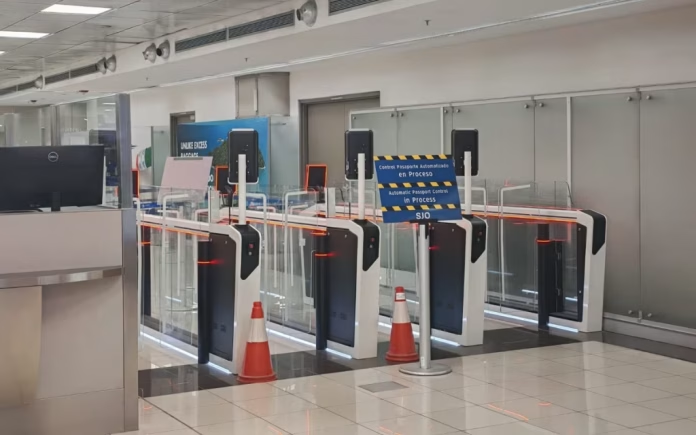











 As mobile phone technology advanced and prices dropped, the payphone’s role began to shrink.