Saturday, April 25, 2026
Home Blog Page 248

Why do so many in Costa Rica resist stopping the party?

0

(QCOSTARICA) Those who have chosen to minimize social contact roll their eyes when they hear or read someone who says “what pandemic?”. Those who have gone weeks (months) without visiting the homes of loved ones who live outside their bubble do not understand how there are people nonchalant, happy and calm, partying in the midst of a pandemic, and who even so post it on social networks, challenging common sense.

Why do so many in Costa Rican resist stopping the party?

Although there is no single answer, specialists consider that there are some factors that can explain this carefree behavior during the health crisis.

Living in isolation is something that millions of people were not prepared for. No one knew what it would be like to deal with a pandemic.

The truth is that the COVID-19 went to show how far the level of adaptation and resilience of human beings can go in the face of a global health crisis, one that has already caused millions of infected and hundreds of thousands of deaths in the world, without a viable cure in the medium term.

Costa Rica has not been the exception and its inhabitants have had to radically modify their lifestyle to protect themselves from the virus. Suddenly, working from home grew considerably and face masks or shields became essential garments to leave the house.

The same happened with social activities in which people were used to sharing, enjoying their free time and relaxing: they were, are, and will continue to be one of the main sources of infection.

And although many have understood that breaking the social bubble with crowds to celebrate birthdays, social gatherings, or parties is not allowed in view of the risk that it can represent to contract the new coronavirus.

There are those who are simply not interested in this: they defy authority, they put at risk their health and that of others and even feed conspiracy theories that deny, without foundation, what the science says.

Social distancing, the use of a face mask or shield and frequent hand washing are the three golden rules to avoid contagion. Photo: Shutterstock.

Since COVID-19 arrived in the country in March, Health authorities have tirelessly insisted on “the three golden rules” to avoid catching the virus: maintain social distance, wash your hands frequently and wear a face mask or shield.

By the beginning of June it seemed that the rules of the new normality were already clear.

However, in a couple of weeks, by the middle of that month, the Minister of Health, Daniel Salas, at the daily noon press conference announced what was incredible to believe that a group of approximately 50 people, attended a family party in Alajuelita. Several of the guests were infected.

Two days later, more than 20 people attending the celebration were carrying the coronavirus.

Although the case of the celebration in Alajuelita was intended to be an example of what should not be done during the pandemic, in reality, it would become just the first bad news related to clandestine social activities carried out behind the backs of the authorities and in disobedience of the public health guidelines.

A few days later it was revealed that a family of Pavas carried out an ‘autoté ’, to celebrate the upcoming arrival of a baby. And although it was not a celebration in an event hall or in a house, there were visits to some acquaintances to collect the gifts, hugs, kisses, and everything that had been asked not to do.

The result: more than 15 infected people.

Both the cantons of Alajuelita and the district of Pavas became the epicenter of the coronavirus in the country and together with the canton of Desamparados, became the first to be raised to orange alert in the Greater Metropolitan Area (GAM).

According to data from the Ministry of Public Security (MSP), only in the last three weekends (taking into account Friday, Saturday, and Sunday), 3,656 reports of social activities have been received, including parties and other events with large number of people crowded together.

The people who pay attention manage to share with their friends or family virtually

“I think that at some point the entire society will come to the harsh reality that this is serious and that people die. I think that as the pandemic progresses, there will be a little more respect,” says Michael Soto, Minister of Security.

“Most people stop the activity when the police arrive,” adds Soto.

Daniel Calderón, director of the Fuerza Publica (national police), explains that since the pandemic began, they have had to deal with these festive gatherings, usually facing resistance from those who attend.

“It is a recurring problem. From the beginning we have had to deal with circumstances where people become aggressive, violent, we have had police officers beaten, injured, where we have even had to make arrests, and the acts of violence have increased. They are linked to the consumption of liquor on the street and at parties,” he details.

Calderón affirms that the most violent situations have occurred in the most vulnerable – the poorest and conflictive – areas of the country.

And all this despite facing a fine equal to one month’s salary for those who hold parties at times when public health is in danger, or imprisonment of one to three years, or a 50 to 200-day fine for violating the measures imposed by law or by the competent authorities to prevent the spread of an epidemic.

Minister Soto states that these punishments have not yet been applied, but he does not rule out such sanctions in the future.

But why are citizens opposed to following the instructions of the authorities when their health is at risk?

For starters, experts agree that no one knew what a pandemic was, or what it would be like to survive in the midst of uncertainty, where parties, gatherings, and the way of relating to others changed dramatically from one day to the next, without prior notice.

“We have been in containment of our daily activities for four months and that somehow causes our rationality of understanding to deteriorate and that we begin to violate criteria of rationality, such as restraining ourselves from socializing. There is wear and tear and lack of understanding of the facts,” explains José Carlos Chinchilla, a sociologist at the Universidad Nacional (UNA).

At this point, Chinchilla assures that there is, in the human being, a need to return to the past, to return to what was already habitual as a member of society and that, in one way or another, brought joy to people.

This causes many today to be exhausted and unaware of the level of risk that the country currently has.


- A word from our sponsors -

How to Get Best Assignment Help From Professional Writing Services

0

There comes a moment in every student’s life when it becomes almost impossible to handle all duties timely and properly. It’s a rough period when you are forced to prioritize and seek assignment help for your college essays.

Although it’s not an ideal situation, at least you can count on professional writing services and ask for support when it matters the most. If this is the first time you’re looking for an assignment helper, you should figure out the fundamentals in order to detect the most suitable writing agency.

It’s not a complex procedure, but you do have to follow a few basic steps. We are going to present you with the benefits of a professional writer service and show you to ask for their assistance quickly and effortlessly. Let’s take a look!

Benefits of Assignment Writing Agencies

Before you engage with essay writers and order a new paper, you should be perfectly clear about what to expect from their work. The benefits of assignment writing agencies include the following:

  • Professional writing: Professional writing services employ some of the most proficient authors with years of experience in different courses and subjects. Unlike a typical student, expert writers already know the drill and take little to no time to research and craft a college essay.
  • Affordability: No price is too high for a well-written piece of text, but it still means a lot to students to obtain a standout paper without a major investment. If you don’t need more than one or two pages, rest assured you will get a superior document very cheaply.
  • Timely delivery: Students facing tight deadlines should certainly consider hiring professional writers because they always get the job done as agreed. There is no additional waiting time as they do not prolong work. This is the case even with super-speedy projects with a 6- or 12-hour deadline.
  • Academic results improve: Top-level quality and timely delivery result in high grades, so you can hope for a major boost in academic results and achievements. Although you should rely on your own work and learning primarily, it’s always great to have an essay writer at your disposal to jump in and give you a hand whenever needed.

How to Order Your College Paper

Placing the order and asking a professional essay writing service to do work on your behalf may seem complicated if you’re doing it for the first time, but don’t let it discourage you. Here comes an easy step-by-step explanation on how to order college papers:

  1. Enter paper details

Go to your agency’s website and find the “Order Now” page. The first thing you should do over there is to enter paper details. Make sure to type in the correct title as it represents an anchor based on which assignment help authors do their jobs. Besides that, you must explain the subject area of your topic and the type of document you’re asking for.

  1. Take care of the technical details

Now you need to enter technical details and give writers precise instructions. This includes information such as urgency, spacing, and the number of pages. If you are a recurring customer, you can even enter a preferred writer’s ID number.

  1. Enter custom requirements

The best agencies also give you the opportunity to enter custom requirements. That way, you leave no room for improvisations and tell exactly what you want. Customer requirements are:

  • High school, Undergraduate, Master, or PhD level of writing
  • The number of resources cited in your paper
  • Language style
  • A summary of your essay
  • Attach any additional materials you may consider relevant
  1. Pay for your order

Another thing you must know is that professional writers don’t start working before the payment is done. This is the trigger they are waiting for, so make sure to do it quickly if your order is urgent.

  1. The author works on your paper

Now the author begins writing. You can keep in touch with him/her, ask questions, and give additional suggestions whenever needed.

  1. Read the draft

Paper writers will send you the draft version well before the actual deadline, which means you can read it carefully and give feedback. The author will react promptly and make corrections as requested.

  1. Read the final version

The job should be done by now, so you can read the final version of the text. You can do it to make sure there are no spelling errors or any other omissions.

  1. Leave a customer review

Finally, you should help other students by writing an honest review of your essay service.

Up to You!

Most students prefer doing college papers on their own, but sometimes you just have to seek professional help and hire assignment writers. Writing agencies guarantee success and timely delivery, so you are free to do other assignments and study for exams.

Now that you know how to get the best writing assistance for your college projects, all you need to do is place your order and consult with a designated author. The rest is up to the professional writers, so you can simply wait and enjoy the results of their high-quality work.

Lucy Benton is an essay writer, an editor who finds her passion in expressing own thoughts as a blogger and currently works at A-Writer. She is constantly looking for ways to improve her skills and expertise, you can check her last review on best essay writing service.

- A word from our sponsors -

COVID-19 Costa rica: country exceeds 15,000 infections and totals 104 deaths

0
The Minister of Health, Daniel Salas, was alone today in the auditorium of Casa Presidencial to deliver the daily epidiomological report

(QCOSTARICA) Costa Rica exceeded 15,000 confirmed cases of the new coronavirus this Sunday, with the addition of 629 new cases that shoot up the cumulative total to 15,229.

The Minister of Health, Daniel Salas, sat alone this Sunday in the auditorium of Casa Presidencial to deliver the daily epidemiological report

Health Minister Daniel Salas also reported this Sunday six more deaths from the day before, for a total now of 104. Two of the deceased reported today had no associated risk factors.

The minister also reported there are 310 people in hospital with COVID-19, of which 56 are in intensive care. Both numbers are the highest to date.

This Sunday, Salas, reiterating the message of the Catholic Church, made a vehement appeal to the Catholic faithful not to make this year the traditional pilgrimage or “romeria” to Cartago, to mitigate contagions.

“I think the message we can express today is that we can live the faith without exposing our health and, in this way, we make that very respectful call, taking the considerations of the case so that, please, they do not proceed with the pilgrimage in person,” Salas assured.

Salas also took the opportunity to clarify doubts about the way in which health authorities will proceed with the screening tests in homes with COVID-19 positive patients.

Salas again insisted on the need to maintain social isolation and to respect the social bubble.

“I understand that, at this point, there are many people looking for a way to have a space beyond the social bubble, but I insist that this continues to represent a risk now more than ever.

“This started in March, when we were talking about following sanitary measures. I assure you that, with the number of cases, with the number of hospitalizations, with the number of deaths we are having per day, the risk is higher in Costa Rica at this time than ever before,” said the Minister.

He was emphatic that breaking the bubble and failing to follow sanitary measures “greatly” exposes families, friends, co-workers, and everyone around people who do not follow instructions.

Once again, the Minister of Health called on the inhabitants to raise awareness, although he lamented that, “unfortunately, there is a sector of the population that does not act consistently with what we are experiencing.”

“Today we have 56 people in intensive care; it is quite a high number. And if we continue like this, well … It is what we were talking about, if someone is injured in a vehicle and needs an intensive care unit, it will not be so full of COVID patients and other patients, that there will be no room,” he expressed.

The details of the deceased are:

  • A 59-year-old man, foreigner, resident of Heredia. He was admitted to the Hospital Mexico, being diagnosed on July 18. He had a history of cardiovascular disease.
  • A 76-year-old man, Costa Rican, resident of San José. He was admitted to the San Juan de Dios Hospital, being diagnosed on June 29. The deceased had no associated risk factors.
  • A 70-year-old Costa Rican woman from San José. She was admitted to the Hospital Mexico, being diagnosed on July 18. She suffered from high blood pressure and diabetes.
  • An 88-year-old man, Costa Rican, a resident of San José. He was admitted to the Hospital México, being diagnosed on July 17. The deceased had no associated risk factors.
  • A 66-year-old Costa Rican woman from San José. She was admitted to the San Juan de Dios Hospital, being diagnosed on July 13. She had a history of cardiovascular disease.
  • An 88-year-old Costa Rican woman from San José. She was admitted to the Hospital Calderón Guardia, being diagnosed on July 22. She had a history of cardiovascular disease.
- A word from our sponsors -

Nicas in “border limbo”, stranded at the door of their homeland

0

(TODAY NICARAGUA) Overcrowding, sleeping in the open air, in the sun, in the rain, without access to drinking water and eating thanks to the solidarity of others, more than 500 Nicaraguans are surrounded by an orange barrier that prevents them from returning to Nicaragua and turning back to Costa Rica.

Many left Costa Rica after having lost their jobs or wanting to visit their families, or want to move back to their country after taking refuge in Costa Rica after the socio-political crisis that erupted in Nicaragua in April 2018.

Others were returning home from Panama, also finding themselves without work or resources due to the pandemic that has hit the canal country hardest in the region, with 60,296 cases and 1,294 deaths (July 26)

Others in limbo were turned away by Costa Rican authorities for being in an irregular condition in Costa Rica or having been detected entering from Nicaragua from unauthorized posts.

Once completed their immigration process for leaving Costa Rica, their entry into Nicaragua was denied for not having the required negative test for COVID-19, a requirement that they or few others had heard about.

None had it. They still don’t. And neither were they offered by the Nicaraguan authorities, so they became trapped, between two countries, denied entry into one, their homeland and not being able to return to Costa Rica.

The border between Nicaragua and Costa Rica is not delimited by any wall or physical obstacle, an unmarked line indicated the border between the two countries. Denied entry, the  Nicaraguans have been forced to stay in a makeshift camp, divided, one on the Nicaragua side of the line, other on the Costa Rican side.

Thus, from the Costa Rica side, they are accessible to the media, human rights organizations and solidarity groups that have provided some relief with food, water and plastic to put a cover over their head from the scorching Guanacaste sun and heavy rains of the season.

Threatened by Nicaraguan police

Besides facing the elements and the uncertainty of their future, many now prefer not to speak to the media or hide their identity, because they fear retaliation from Nicaraguan police.

They say that if they are seen giving statements, they are verbally threatened, or prohibited from accessing the health service.

The first wave of Nicaraguans, about 110, arrived on Monday. Since, the number grew to more than 500 including seniors, pregnant women and children.

During the week, some 30 people were let through, no one knows why, except for two who had the COVID-19 exam results.

Despite being on their land (officially on the Nicaragua side of the line) they have received no assistance, other than access to a single toilet for 500 people, which they can enter after waiting in line for hours. “When you have to enter the bathroom there is no water to wash, you find urine everywhere and accumulated excrement, but you have to queue to at least relieve yourself indoors,” says “Jessica” (not her real name).

“When I had my menstruation and went three days of not bathing, I went to wash with the water that is available for the sanitary services and I got allergies and an itch all over my body. We spent three days in the sun because the plastic (cover) hadn’t been given to us yet, we were starving for three days because we only came with the passage to Nicaragua,” says a young woman who covers her face with glasses and a blanket, when talking to Confidencial.

“A pregnant woman, we don’t know if she had an abortion or I don’t know what happened, she spent four days with pain and bleeding, they took her passed out,” says “Luis”.

Those affected assure that the Nicaraguan immigration authorities in the area do not provide them details or answers. “They don’t tell us anything. We ask and they just stay quiet. They don’t say anything, they just laugh. That they let us into our houses, we are Nicaraguan,” complains another Nicaraguan.

In the group, some wear face masks but tend to take it off for a while due to the suffocating heat. The physical distance necessary to prevent the spread of coronavirus here is impossible; on the contrary, people are crowded, hiding from the sun under a black plastic hanging as a roof.

The Government of Nicaragua does not provide details of COVID-19 tests carried out in the country, nor has it said whether it will carry out the test on nationals returning from abroad.

The only word from the government recently is that those leaving the country by way of the Managua airport are required to have a negative COVID-19 test result, that can only be done at a Ministry of Health (Minsa) lab and at a cost of US$150 dollars. The tests at a private lab or hospital are not accepted.

Human rights organizations and solidarity groups have been present at the scene to provide food and water. “We have been working with this population for two years now, but this situation is totally appalling, it unbelievable,” says Tanya Amador, director of the Corner of Love organization, which works with Nicaraguan refugees. She brought several boxes of bananas and bottles of water and comments that they prepare hot food to take them in the next few hours.

Nelson Amador, director of the organization, appeals to the Nicaraguan government to carry out the COVID-19 tests on Nicaraguan citizens and thus allow them to pass. “We believe that they have the possibility to do it, what they don’t have is a little bit of will. The Government, especially Mr. (Daniel) Ortega, has to take action on the matter and help its own citizens. It doesn’t have to be a political situation. It is a humanitarian situation.”

To avoid further agglomeration in the Peñas Blancas area, Costa Rican immigration has adopted a new measure: Nicaraguans and other foreigners headed for Nicaragua to have a COVID-19 test. The test can be done at any private lab or hospital, the cost about US$100.

More than 500 Nicaraguans stranded by the regime in Peñas Blancas endure hunger and thirst while waiting to enter Nicaragua

Families wait anxiously

In Nicaragua, the family of the stranded anxiously await information. “It makes me mad that we are so few compared to those inside,” says a woman calling on everyone with family members to reach the border.

According to a report by La Prensa, Saturday night, authorities announced the release of 100 citizens who came from Panama. The bus with these people was crossing Peñas Blancas border line between 12 and 1 in the morning.

At 8.30 am this Sunday, a van carrying a coffin lined with black plastic alerted family members. Some said it was one of the stranded men who had died, but minutes later another version indicated that it was a Nicaraguan who had died in Heredia, Costa Rica.

Several of the stranded discarded that there has been a death. However, due to the crowded and dirty conditions, they were worried about getting sick by Covid-19.

Family members said the stranded made a blockade on the border that prevented the movement of cargo trucks. However, the blockade was lifted after a promise by  Nicaraguan authorities, that they would be allowed entry in a few hours.

“It was a lie and now they have them more cordoned off with more riot police,” says Hilda Pineda, who has her two children, a 20-year-old girl and a 24-year-old man, who form the mass of people trapped at the border.

Article originally appeared on Today Nicaragua and is republished here with permission.

- A word from our sponsors -

Economic reactivation or irresponsibility?

0

(QCOSTARICA) The Puntarenas ferry terminal in full pandemic practically collapsed this long weekend by people mostly from the Greater Metropolitan Area (GAM), reports Puntarenas Le Informa.

Is this economic reactivation, or is it an act of irresponsibility on the part of Costa Ricans?

What is your opinion? Write to rico@theqmedia or post to social media Facebook or Twitter.

- A word from our sponsors -

Catholic Church: “It’s time to stay home”

0
The Basilica de la Virgen de los Angeles

(QCOSTARICA) Every year, on August 2, hundreds of thousands in Costa Rica descend on Cartago, the home of the Virgen de los Ángeles (patron saint of Costa Rica) known as “La Negrita”.

The Basilica de la Virgen de los Angeles in times of the romeria. For this year the traditional pilgrimage to Cartago has been canceled, the second time in its 238 year history. Archive photo.

This celebration takes place at the Basilica de Los Angeles Basilica in Cartago, the faithful making the “romeria” – Pilgrimage of the Virgen de los Ángeles – on foot from every corner of the country, to appear before La Negrita to thank or request her intercession.

This year, due to the novel coronavirus pandemic, t the. st in 2009

In the midst of the Covid-19 pandemic, the Ministry of Health has suspended many activities, including the romeria. It is the second time in the last 238 years since the walk to Cartago was made official; The last in 2009 due to the AH1N1 pandemic.

This year, the traditional pilgrimage to the Basilica of the Angels will take place virtually, announced by the Costa Rican episcopate through a statement.

José Francisco Arias Salguero, rector of the Los Angeles Basilica, launched a powerful message to the faithful “not to do pilgrimage”, however, the message doesn’t seem to have been heard, as this Saturday there was a large influx of people walking to the Basilica, disrespecting the Church’s call to stay home.

“We want to appeal to the conscience of all of you so that, following the guidelines given by health authorities, not to expose ourselves. In this context, let’s not go out to do the romeria. Since the start of the pandemic, we have been asked to stay home if it is not strictly necessary to go out due to work or an emergency,” reflected Arias Salguero.

The representative of the clergy also clarified that the sink and the “pileta” and the “la piedra” are closed as part of the measures that the Ministry of Health dictated on May 13.

 Despite the fact that the Church suspended the Romeria 2020 from May 13, this Saturday a large number of faithful were reported walking to the Basilica de la Virgen de Angeles in Cartago. Archive photo

“Let’s not leave our houses to undertake the traditional pilgrimage that we did in other years. This year, let us offer (request to the Virgen) from our home that spiritual union of being able to live from there the encounter with the Lord Jesus through the Blessed Mary,” he added.

Despite that the Catholic Church suspended the romeria this year, making the announcement on May 13, this Saturday groups of people were seen making the walk to Cartago.

Mario Redondo, the mayor of Cartago, stated that in the Municipality they are “very concerned” and that they have already contacted the rector.

Redondo indicated that they are making a respectful call to the people not to travel to Cartago in the days leading up to August 2.

“The Basilica is closed. We are respectfully asking people to please understand and not come to Cartago. It is for health issues,” said Redondo.

Through the web page www.romeriavirtual2020.com the faithful will be able to participate in the pilgrimage and make a request to the Virgin. In addition, the platform will offer a series of exercise routines that are equivalent to kilometers walked, so that participants can “make their sacrifice”.

“If there is a year in which we need La Negrita, this is it and why everyone is invited to show how Faith Moves Forward in the 2020 edition of Romería Virtual (Virtual Pilgrimage),” concluded the message from the Episcopal Conference of Costa Rica.

- A word from our sponsors -

Missing German woman San Ramón found naked and lifeless

0

(QCOSTARICA) This Friday, Organismo de Investigación Judicial (OIJ) agents from the Fortuna de San Carlos, Alajuela, found the body of the German woman who had been missing for five days

The woman’s body was found in a stream and in an advanced state of decomposition in a mountainous area behind the house where she lived for some years. She had been missing for 5 days.

The victim was identified as 68-year-old Ruth Waltraud Elizabeth Deiseroth Kweton, 68, reported missing on Thursday by a friend of the foreigner, who contact the OIJ that she had not been seen since Sunday.

The disappearance occurred in San Isidro de Peñas Blancas, in San Ramón de Alajuela. On Friday, area residents alert police to the body in a mountainous area behind the house where the woman lived for several years and owned a renowned restaurant in the area.

A police source detailed that the victim was naked, in a stream and in an advanced state of decomposition and the body showed no signs of violence.

An autopsy will be performed to determine the cause of death.

Second missing German found dead

Five days ago, the OIJ confirmed that the remains found in Playa Jacó on July 4 was that of missing German tourist Karin Holzapfel. She had been missing since June 28.

Yuney Valverde Chacón, head of the OIJ in Jacó, reported that dental studies confirmed that the skeletal remains found was that of a 32-year-old foreign woman. The cause of death has yet to be determined.


- A word from our sponsors -

Costa Rica preparing for worst yet to come: more ICU beds and corpse containers

0
a container for the corpses of those killed by Covid-19 in the San Juan de Dios hospital

(QCOSTARICA) The Caja Costarricense de Seguro Social (CCSS) is preparing for the worst of the pandemic that could hit Costa Rica very shortly.

The president of the CCSS or Caja, Roman Macaya, announced at Saturday’s noon presser that 2 floors of the Calderon Guardia hospital have been enabled, they will be exclusive for COVID-19 patients requiring intensive care, with a capacity of 75 beds.

he new 7 storey tower of the Hospital Calderon Guardia

The upper floor with being smaller in capacity, but with specialized care for the most affected of coronavirus ICU patients. Macaya explained that the 7th floor was designed with

At the Hospital San Juan de Dios (SHJD), this week installed a container for the bodies of the victims of COVID-19, with the capacity to store 18. This is the first of the containers, that will be operational in a week, the Caje intends to install at various medical centers.

Ileana Balmaceda Arias, medical director of the San Juan de Dios, through the press office of the CCSS, confirmed the purchase of the refrigerated container was achieved earlier this week, thanks to a donation from the CCSS workers union, the Asociación Solidarista de Empleados de la Caja Costarricense de Seguro Social (ASE-CCSS).

The container, similar to those used in other countries with reports of an increase in deaths from the pandemic, will allow the separation of corpses from others (non-COVID) at the hospital.

“Unfortunately we have to make this type of forecast and we are in that process,” said Arias.

To deal with the possible surge in deaths, the Caja included in its bioethical guidelines for the management of the pandemic, a special mention to the management of the corpses.

Among other things, it establishes the obligation of respect for the corpse, “safeguarding respect for identity, image and privacy, as well as the honor, image and privacy of the relatives.”

At the same time, it establishes the disposition to protect the health of third parties during the handling of the bodies, and the “adequate and timely” information for the relatives in the event of death.

On April 13, the CCSS announced the purchase of 3,000 body bags

“We purchased those 3,000 bags anticipating days like today, like what we are seeing on the street. Let’s take this seriously, it (the virus) is not playing. We do not want to end up like the countries that are living in hell,” said Macaya back in April in reference to the scenes of saturated morgues in countries like Spain, Italy, or the United States.


- A word from our sponsors -

COVID-19 Costa Rica: 931 new cases and 11 new deaths for July 25

0

(QCOSTARICA) The Ministry of Health confirmed this Saturday, July 25, 931 new cases of COVID-19 in the country, bringing the total number of cases to 14,600 for the first case in March; and 11 deaths, among them a 41-year-old Costa Rican woman with no associated risk factors, bringing the total to 98.

Both numbers had never seen before for a 24-hour period. The highest before today was 768 new cases and 9 deaths recorded on Thursday, July 23.

Of the confirmed cases 6594 are women (+452 compared to yesterday) and 8,000 are men (+473). Likewise, 10,466 are Costa Rican (+688 compared to yesterday) and 4,134 are foreigners (+243).

There are 3,640 people recovered (135 more than yesterday) and 98 deceased; the number of active cases (currently infected) is 10,862 (+785 compared to the previous day), a number that has been growing for 38 days continuous.

With 98 deaths Costa Rica’s fatality rate is 0.67%.

There are 293 people hospitalized (5 less compared to Friday) of which 51 are hospitalized in Intensive Care Units (+2) with ages between 24 to 88 years.

50% of the cases confirmed this Saturday belongs to the cantons of San José, Desamparados, Alajuelita and Corredores (Puntarenas), as confirmed by the Minister of Health, Daniel Salas, this Saturday during the press conference.

Of these, three (Alajuelita, San José and Desamparados) are the ones that have been registering the most new cases since last July 21.

A container for the corpses for the deceased by Covid-19 is being installed at the San Juan de Dios hospital, with capacity for 18 bodies and is expected to be enabled in 8 days

The deaths recorded in the last 24 hours:

  1. A 41-year-old Costa Rican woman from San José. She was admitted to the San Juan de Dios Hospital, being diagnosed on July 17. The deceased had no associated risk factors.
  2. A 93-year-old man, Costa Rican, resident of Alajuela. He was admitted to CEACO, being diagnosed on July 12. He suffered from high blood pressure and had a history of smoking.
  3. A 60-year-old Costa Rican woman from San José. She was admitted to the Hospital México, being diagnosed on July 23. She suffered from COPD, high blood pressure, diabetes, kidney disease and obesity.
  4. An 87-year-old man, Costa Rican, a resident of San José. He was admitted to the San Juan de Dios Hospital, being diagnosed on July 15. He suffered from high blood pressure, diabetes and heart disease.
  5. A 79-year-old man, a foreigner, a resident of Alajuela. He was admitted to CEACO, being diagnosed on July 14. He suffered from ischemic heart disease.
  6. An 84-year-old man, Costa Rican, a resident of San José. He was admitted to the Mexico Hospital, being diagnosed on July 21. He suffered from high blood pressure, diabetes, chronic kidney disease and ischemic heart disease.
  7. An 80-year-old man, Costa Rican, a resident of San José. In addition to age, there was no risk factor. He died in emergencies at the Solón Núñez Clinic. A post-mortem sample was taken with a positive result on July 24.
  8. An 81-year-old Costa Rican woman from San José. She was admitted to the Mexico Hospital, being diagnosed on July 22. She suffered from high blood pressure.
  9. 72-year-old Costa Rican woman from San José. She was admitted to the Mexico Hospital, being diagnosed on July 23. She suffered from diabetes and obesity.
  10. An 85-year-old woman, Costa Rican, resident of San José. She was admitted to the Hospital of San Juan de Dios, being diagnosed on July 21. The deceased was anticoagulated.
  11. An 81-year-old man, Costa Rican, resident of Heredia. He was admitted to CEACO, being diagnosed on July 4. He suffered from high blood pressure and diabetes
- A word from our sponsors -

Costa Rican Tourism Board clarifies

0

(QCOSTARICA) The Instituto Costarricense de Turismo (ICT) – Tourism Board – clarified the authorization for the arrival of passenger flights to Costa Rica’s main international airports, the Juan Santamaria (SJO) in San Jose and Daniel Oduber (LIR), in Liberia, Guanacaste,  starting August 1, 2020.

Included int he authorization is also the regional airport Tobias Bolaños (SQY), located in Pavas.

  • Citizens and residents of the European Union (Schengen Area): Austria, Belgium, Czech Republic, Denmark, Estonia, Finland, France, Germany, Greece, Hungary, Iceland, Italy, Latvia, Liechtenstein, Lithuania, Luxembourg, Malta, Netherlands, Norway, Poland, Portugal, Slovakia, Slovenia, Spain, Sweden, and Switzerland.
  • Citizens and residents of the United Kingdom (England, Scotland, Wales and Northern Ireland).
  • Citizens and residents of Canada.
Graphic from outlierlegal.com website.

Although the authorization includes the aforementioned regions and countries, in practice, it remains exactly the same as reported; that is to say, the reopening will begin with travelers boarding in Frankfurt, Germany, and Madrid, Spain.

These flights will be the first to be received at the San Jose international airport after meeting the requirements already detailed in a press conference:

  • Complete a COVID test 48 hours prior to travel to Costa Rica.
  • Complete a digital epidemiology form prior to arrival. You can have access to the online form by clicking here.
  • Obtain Travel Insurance in case the traveler is infected by COVID to cover medical costs or travel costs related to deal with the infection and or quarantine.

Masks and social distancing and other sanitary protocols will be enforced at international airports,

Also, starting from August 1, foreigners with permanent residence, temporary residence, or special categories can fly out of Costa Rica and then return without affecting their immigration status, provided they do so by the authorized route, that is, the airports (for now) and from the authorized countries.

For now, only the airports are authorized to receive international passengers, the land borders with Nicaragua and Panama remain closed.


- A word from our sponsors -

Today, July 25, is Guanacaste Day!

0

(QCOSTARICA) Today, July 25, we celebrate Guanacaste Day. It is a legal holiday. This year, however, the holiday is officially on Monday (July 27).

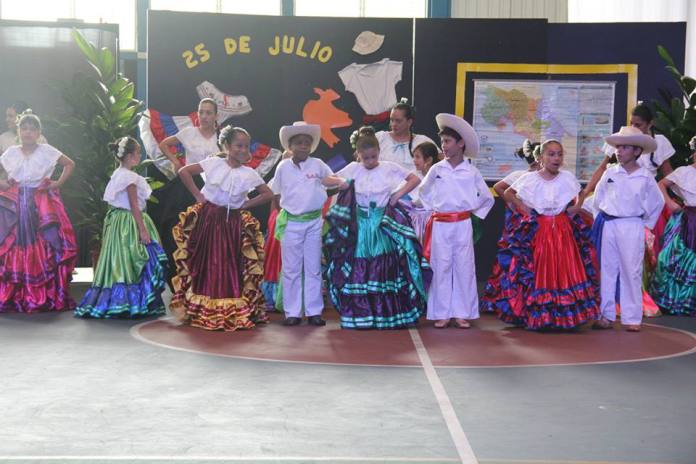
Although known popularly as Guanacaste Day, the holiday is really “Anexión del Partido de Nicoya” (annexation of the Partido de Nicoya) to Costa Rica, the historical event that refers to the incorporation of the territory of Nicoya (most of what is today’s modern day Guanacaste), which occurred on July 25, 1824.

Among the typical activities on this holiday are folkloric dances, concerts, tortilla festival, bullfights, among others.


This year, for the 196th, with the pandemic, the activities will not be just quite the same as in the past. What won’t be missed, however, are the presence of President Carlos Alvarado and First Lady, Claudia Dobles.

According to Casa Presidencial, their presence will be carried out respecting the protocols and guidelines of capacity limit, physical distance, duration of activities, which cannot exceed 1 hour in closed spaces, the maximum number of people (30 and the use of implements security, among other standards.

Strict compliance with sanitary guidelines will be verified by a representative of the Ministry of Health.


- A word from our sponsors -

Reactivation of commercial flights would allow foreigner residents to travel without losing status

0
Ready to receive travelers at the Juan Santamaria international airport in San Jose, Costa Rica

(QCOSTARICA) The resumption of commercial flights at the Juan Santamaría (SJO) airport on August 1 brings other changes, among them, foreigner residents in Costa Rica can leave the country and return without affecting their immigration status.

Ready to receive travelers at the Juan Santamaria international airport in San Jose, Costa Rica

Since March 24, the government decreed that foreigners with residence, refugee status or asylum in Costa Rica would lose that status if they left the country and then tried to return.

Decree 42256-MGP-S stipulates that foreigners with permanent residence, temporary residence, or special categories can leave the country but not enter the national territory until the reopening of borders. Likewise, foreigners who had left would lose that status if they entered illegally.

This change starts on August 1 with the modification of the decree by the Ministry of Health, which is currently working on the new text, reported the Ministry’s press office.

“Clearly, this modification must be ready prior to enabling the flights,” it said.

Staring on August 1, flights to and from the countries of the European Union (Schengen Area Countries), the United Kingdom, and Canada will be reactivated. At first to a maximum of five flights a week.

With the change, if a foreign resident decided to fly out of Costa Rica and then return, they would not lose their status, provided they do so by the authorized route, that is, the airports (for now) and from the authorized countries.

The United States is excluded, for now, from the countries authorized to travel to Costa Rica.

The General Directorate of Civil Aviation also confirmed that they expect changes in the terms of the current restriction once Health and that entity conclude their analyzes.

Upon return the country, legal foreign residents would be required to maintain 14-day isolation at home; just as Costa Ricans are already ordered to enter the country.

Like all those who enter through the air terminal, they will have to undergo a new protocol that includes taking their temperature when they get off the plane, disinfecting shoes using sanitizing mats, and physically distancing themselves in the various areas. And also wear a mask and respect all other measures of the health protocol. See the video by the SJO airport here.

In the case of tourists, these have other additional regulations defined:

  • Fill out a digital epidemiological form.
  • Get a covid-19 test and have a negative result 48 hours before entering Costa Rica.
  • Purchase travel insurance that covers eventualities of lodging in the face of the need for quarantine or medical expenses.
- A word from our sponsors -

Nicaraguans traveling to their country from Costa Rica must have negative proof of Covid-19

0

(QCOSTARICA) Foreigners and nationals who want to enter Nicaragua from Costa Rica will have to present a negative result in a coronavirus test carried out in the 72 hours prior to the trip.

The requirement went into effect July 24, in compliance with a resolution by the Dirección General de Migración y Extranjería (DGME) – Costa Rica’s immigration service – responding to the decision of the Nicaraguan government to prevent the entry of a group of up to 500 of its citizens, who do not carry a negative Covid-19 test.

The measure applies by land, sea, or air.

It also urges the public and private means of transport, as well as the Public Transport Council (CTP), to require this requirement from people who intend to travel to Nicaragua before taking them to the country’s northern border.

According to the director of immigration, Raquel Vargas, the determination aims to prevent an outbreak of the respiratory disease in the border area.

“It is very important to prevent outbreaks of contagion from the Covid-19, not only of the officials and police of the institution but also of the inhabitants of the border areas and those who have to transit through the border posts.

“For this reason, and to avoid agglomerations before an impossibility of entering Nicaragua, we strongly request Nicaraguans who want to go to their country, that before making the trip, have the Covid-19 test with negative result with them, thus avoiding inconveniences and a high risk of contagion,” explained the director.

The immigration service explained that the testing must be done at any private medical service, ie clinic or hospital, at a cost, and not provided by the Ministry of Health.

The requirement of the negative test results was a surprise to the hundreds of Nicaraguans weather the elements, hunger and basic needs while stranded in noman’s land (the area between the two border crossing) for days now.

The government of Daniel Ortega imposed the requirement with prior notification. The Ortega dictatorship also requires that testing in Nicaragua can be done only by the Ministry of Health (Minsa) labs located in Managua and at a cost of US$150 dollars.

This situation is in development.

- A word from our sponsors -

COVID-19 in Costa Rica: 540 new cases Friday; modified diagnostic guidelines announced

0

(QCOSTARICA) Following a record number of 768 new cases of COVID-19 on Thursday, with nine deaths in 24 hours and 290 hospitalized patients, on Friday 540 new cases were reported, for a cumulative of 13,669.

Seven more deaths were recorded in the last 24 hours. Two less than Thursday.

To date, the country registers 87 deaths linked to the new coronavirus.

On Friday, 298 patients were reported in hospitals, of whom 49 are in the Intensive Care Unit.

The slight respite, however, is not evident in medical centers as explained by the medical manager of the Caja Costarricense de Seguro Social (CCSS), Mario Ruiz, who confirmed that the number of COVID-19 patients and the requirements of the pandemic are close to saturating health services.

It is not only about beds, but the medical staff who show fatigue or have also been victims of the virus.

The Minister of Health, Daniel Salas, announced Friday a change in diagnostic guidelines qualifying positive cases.

“People who live with patients infected with the new coronavirus and who have symptoms such as a sore throat, respiratory distress, fever, loss of taste or loss of smell will be diagnosed as positive cases of Covid-19 without the need for testing,” said Salas.

The Minister pointed out that the diagnostic guidelines were modified and that the declaration of infection will not be formal, but will be “for practical purposes”. Along these lines, he commented that people should respect isolation orders, as is already the case with close contact groups.

The change does not mean we will have an explosion in the number of daily confirmed cases.

“There have to be symptoms, it is not that anyone in the nucleus is already considered a case, although isolation is considered for the entire group, which should be in a quarantine of 14 days,” he stressed.

Salas noted that this step was “expected” at some point in the pandemic, since resources must be maximized and forms of care must be refined. “They are cases in which it is extremely high that it is SARS-CoV-2, they are part of the measures that must be taken in any pandemic,” he concluded.

The measure will also allow a more efficient use of diagnostic PCR tests, since the country already analyzes up to 2,000 applications per day and their needs are increasing.

This was explained by the institutional adviser of Laboratories of the Costa Rican Social Security Fund (CCSS), Angie Cervantes, who commented that this is the same number that could be processed in a whole week in previous months.

“This means a 700% increase in demand for clinical laboratories, which have been working tirelessly 24 hours a day, both to respond to suspicious cases and to the screenings that are being carried out,” she explained.

Cervantes commented that the laboratories have accumulated samples in the last weeks; specifically, she spoke of 4,523 to be processed, of which 2,985 are the result of screening asymptomatic patients and the rest of suspected cases.

The official pointed out that, given this situation, she has coordinated to attend to the most urgent cases among suspects first.


- A word from our sponsors -

In these times of pandemic …

0
Bronze statue La Chola by Manuel Vargas (2004

“La Chola” on Avenida Central in San José doing her part in maintaining sanitary protocols, a mask and social distancing.

- A word from our sponsors -

Is travel to Costa Rica based on citizenship or destination?

0

Rico’s Tico Bull – On Thursday, at the daily noon presser, the Minister of Tourism, Gustavo Segura, announced that international air travel will be allowed starting August 1, 2020.

Strange to see no airplanes at the gates of the San Jose (SJO) airport

In typical, Costa Rica fashion, when a date is announced, it is in effect at 11:59 pm on the day. Thus, for all practical purposes, as confirmed by Civil Aviation, air travel will resume on August 2, with the arrival of Lufthansa from Frankfurt, Germany.

The measures for the reopening of air travel to Costa Rica will be as follows:

  • For now, only commercial flights from the following destinations are allowed: Canada, the European Union (EU) and the United Kingdom (UK)
  • For the start, there will be only up to five flights per week allowed from those destinations.
  • The United States is excluded from the list of flights allowed into the country until further notice. The main reason for excluding the United States, for now, is the 4 million confirmed cases and 144,00 deaths as of today, according to the Johns Hopkins University Coronavirus Resource Center.
  • The Tourism Board (ICT) along with the Ministry of Health will continue to monitor the situation to gradually open to other destinations.
  • International travelers will be required (as in mandatory) to provide a negative result COVID-19 test 48 hours prior to travel to Costa Rica,  complete the epidemiology form prior to arrival, and Travel Insurance in case the traveler is infected by COVID to cover medical costs to deal with the infection and or quarantine and travel costs.
  • On arrival at the airport, passengers must wear a mask, will pass through a sanitizing mat, have their temperature taken automatically by camera and maintain social distancing in the immigration control line. The SJO airport has produced a video explaining this process.

All good so far. Pretty straight forward. Get tested, have insurance, follow the protocols and enjoy Costa Rica.

In the announcement, the government said the measures are applicable to ‘commercial’ flights and ‘destinations’. The government did not mention if people from the countries excluded, as the U.S., can travel through the countries that are permitted.

focusing on the two takeaways: ‘commercial flights’ and ‘from destinations’, does that mean that U.S. citizens can travel to Costa Rica boarding a flight from one of the allowed destinations?

What of private flights?

This is a developing story. I have sent emails to Casa Presidencial and the ICT (Tourism Board) for clarity on this.

I don’t expect a prompt reply, if at all. But I think this a point that has to be made clear the sooner the better, before August 1 and not in typical Costa Rican fashion, deal with it if and when the situation arises.

What is your opinion? Send me an email or reply to my Twitter or the Q’s official Facebook page.


- A word from our sponsors -

The new Costa Rica banknotes

0

(QCOSTARICA) The Banco Central de Costa Rica (Central Bank) will put into circulation a new denomination of banknotes similar to the material used in the ¢1.000 notes currently in circulation.

The new notes are made of a polymer substrate, a compound similar to plastic, but which makes it recyclable. This material makes the notes more resistant and durable and will allow the material to be reused when they reach their useful life.

The new banknotes will be similar in size, shape and color of the notes currently in circulation, just they will have a different feel. They are ¢20MIL, ¢10MIL, ¢5MIL, and ¢2MIL.

“Although the new banknotes have adjustments in their design and in their structure of security measures to verify their authenticity and combat counterfeiting, they maintain the same characters, motifs, shades and sizes as those currently in circulation,” said the Central Bank.

The new notes will be hitting the streets in “the coming months” according to the Central Bank.

“Once the financial entities conclude the calibration of the banknote processing equipment, ATMs and other devices, necessary tasks for such equipment to recognize the new banknotes, a stage already in process,” the Central Bank said in a statement.

The ¢50MIL is being taken out of circulation. The others will continue in circulation until final withdrawal, a date for this is not yet defined.

- A word from our sponsors -

Opening of commercial flights to the country begins on August 1

0

(QCOSTARICA) The Government on Thursday detailed opening up Costa Rica’s airports to international commercial flights, for now, from Canada, the European Union*, and the United Kingdom, as of August 1.

The arrivals hall at the Juan Santamaria international airport (SJO)

The first flights to arrive at the Juan Santamaria International Airport (SJO) in San Jose, are Lufthansa from Frankfurt, Germany, on August 2 and Iberia, from Madrid, Spain, on August 3; Edelweiss, from Switzerland, is scheduled to arrive on August 6.

Air Canada confirmed starting flights between Toronto (YYZ) and San Jose on September 12; Air France, with non-stop flights from Paris (CDG), starting on October 14; and British Airways, from London (LHR), starting on October 27.

For now, U.S. commercial flights are excluded from arriving in Costa Rica. The restriction leaves the Daniel Oduber international airport (LIR) in Liberia, Guanacaste, an airport open for business, but with no flights.

Gustavo Segura, Minister of Tourism, indicated that the opening of trips will be gradual and will begin with less than five flights per week.

To allow tourists to enter Costa Rica, a negative result COVID-19  PCR test will be mandatory in the 48 hours prior to travel; Complete the digital epidemiological form, which will be enabled in different languages, and purchase travel insurance that covers accommodation in case of quarantine and medical expenses for acute illness.

In the event that a tourist does not meet these requirements, they will not be able to embark towards Costa Rica.

Upon landing on Costa Rican soil, travelers must wear face protection and comply with the strict protocol of the air terminal, respecting physical distance, have their taking temperature taken and following any other health instructions.

“The recovery of the (tourism) sector will be carried out with the utmost prudence and in accordance with strict sanitary protocols, always with the supreme conviction of ensuring the health and life of people,” said President Carlos Alvarado during the Thursday noon presser.

“This first stage of opening to international flights includes less than 1% of the volume of flights that the country received before the COVID-19 pandemic (552 weekly),” said Health Minister Daniel Salas.

The entry of foreign tourists was suspended last March 18.

“We are taking very gradual and analyzed steps in the direction of the economic revitalization that is very necessary for the protection of the business fabric and employment. It is necessary to give this signal of reopening of commercial flights for the reactivation of the tourism sector and we insist, in order to continue working in this line, it is important to comply with health protocols, a task that must be accompanied by the responsibility of businessmen, employees, clients and tourists,” stated the Tourism minister.

The inclusion of additional routes will be modified according to the development of the pandemic in our country and in the world. For now, all airport and immigration protocols will be tested.

More tourist activities allowed

Minister Segura pointed out that from August 1 the country’s beaches located in areas in yellow alert will be extended from 5:00 am to 2:30 pm.

On August 1, the operation of tours with outdoor activities will be enabled, including hiking, trekking, canopy, cable cars, rafting, water recreation and air recreation, all under strict compliance with sanitary protocols.

To confirm that sanitary measures are respected, the ICT (Tourism Board) created the Institutional Protocol Verification Brigade COVID-19 with the collaboration of its regional headquarters.

In addition to the above, to promote national tourism, this Thursday the first phase of the Vamos a Turistear (VAT) strategy is launched, using the motivational message ¡Listos para reencontrarnos! (Ready to meet again).

This material seeks to visualize the responsible way in which the ICT and the private sector have worked in recent months in the drafting of 16 health protocols to guarantee a safe trip for national tourists, who represent 20% of the country’s total tourism.

In addition, the first special offers will be included on the website www.vamosaturistear.com with promotions, added values ​​and rate reductions of at least 25%, from participating companies throughout the country.

The Vamos a Turistear campaign goes hand in hand with two participation agreements between the ICT and the Costa Rican Banking Association (ABC) and the ICT and the Chamber of Banks and Financial Institutions of Costa Rica so that their affiliated banks can offer their clients discounts, redemption of points or differentiated payments so that the final consumer has economic options to vacation, as well as different financial instruments and service platforms at their fingertips.

“The financial system is key to overcoming the crisis due to COVID-19. On the one hand, we have worked on loan adjustments for more than ¢8 million colones, which is equivalent to 22% of national production and 35% of total credit; the activities of hotels and restaurants, transport, linked to the tourism sector have received readjustments of more than 50% of the portfolio.

“Working capital and financial products tailored to specific sectors have also been made available. Now, ABC together with the Economic Council have outlined interest-free financing of up to 12 months for consumption in national tourism with credit cards from all issuers,” explained María del Pilar Garrido Gonzalo, Minister of National Planning and Economic Policy and Coordinator of the Government Economic Council.

The announcement was made in company with ABC representative, Álvaro Saborío.

* The 27 member countries of the European Union include Austria, Belgium, Bulgaria, Croatia, Cyprus, Czech Republic, Denmark, Estonia, Finland, France, Germany, Greece, Hungary, Ireland, Italy, Latvia, Lithuania, Luxembourg, Malta, Netherlands, Poland, Portugal, Romania, Slovakia, Slovenia, Spain, and Sweden.

- A word from our sponsors -

Nicaraguans continue stranded at the doorsteps of their homeland

0

(QCOSTARICA) An estimated 300 and up to 500 Nicaraguans remain stranded on the Nicaraguan side of the Peñas Blancas border, as their government won’t let them in.

They have been denied entry into their homeland until they have a negative COVID-19 test certification, carried out 72 hours in advance.

The Nicaraguans were caught by surprise by the requirement.

Tuesday night, July 22, Nicaraguan immigration authorities authorized the entry of 30 people, including women and children, however, they did not allow more people to pass. Likewise, Wednesday night, they guaranteed the entry of two Nicaraguans who did carry the corresponding test.

These people cannot return to the Costa Rica side of the border, having already checked out with Costa Rica immigration; However, they indicate that they do not want to re-enter Costa Rica since what they want is to return to Nicaragua.

At the moment it is unknown if there are negotiations between both governments.

“It is important to highlight that these Nicaraguan people are not part of the coordinated process between Costa Rica, Nicaragua, and Panama (the convoys of Nicaraguans passing through Costa Rica from Panama), which has continued to function properly and smoothly,” said immigration in a statement.

“We have to avoid the conglomeration in the Peñas Blancas area because it is a small area. It is not a space that can be inhabited or that has sanitary services to be able to maintain the people in that sector,” affirmed the director of immigration, Raquel Vargas.

The director asked of Nicaraguans in Costa Rica not to arrive at the border without having a negative COVID-19 test certification, since they will be denied entry by Nicaraguan authorities.

“They require humanitarian aid, is the first impression of the crowds of people under the sun and rain, there is one bathroom for more than 500 people,” denounced Yader Valdivia, from the Nicaraguan human rights collective, Nicaragua Nunca Más, based in Costa Rica.

The human rights organization described as “reprehensible” that the government denies entry to its people, alleging that they must present negative evidence of COVID-19 to be admitted.

Nicaraguan citizens attempted to force their entry into the country, but were repelled by anti-riot forces that remain in the area, according to the Nicaraguan Center for Human Rights (CENIDH).

“It is their obligation as a government to test them for COVID-19, and according to the results, guarantee their health and not leave them at the border,” CENIDH explained on its social networks.

The president of the Permanent Commission on Human Rights (CPDH), Marcos Carmona, visited the border to advocate for migrants, but authorities “have not allowed us to speak,” he told local media.

Carmona denounced that more than a sanitary measure, “we see a business” because they are charging US$150 for people to have access to the tests.

The Nicaraguan government has yet to comment on the situation on the border.

- A word from our sponsors -

Liberia airport will operate with no flights

0
The departures lounge at the Liberia airport in Guanacaste

(QCOSTARICA) The Daniel Oduber international airport (LIR) in Liberia, it will continue to be closed to international operations despite the fact that the government announced this Thursday the opening of commercial flights for August 1.

The departures lounge at the Liberia airport in Guanacaste

That air terminal had only confirmed airlines from the United States, however, that country was excluded from the list of approved nations, mainly due to the level of contagions it has at this time.

“At Coriport we are ready to serve international visitors. With the announcement of the government authorities to postpone the entry of foreigners from the United States, the itineraries of U.S. airlines will be modified accordingly.

“We respect the decisions of the authorities and follow orders to be able to advance, in a safe and controlled manner, with the entry of passengers into the country, and thereby be part of the solution for an economic reactivation of the country,” said César Jaramillo, manager of the manager of that air terminal.

On July 13, Jaramillo said in an interview, that of the 11 airlines that fly into Liberia, five confirmed flights starting in August.

These airlines represent 66% of those that normally operate at that airport.

In addition to the United States and Canada, Liberia also receives flights from the Netherlands and the United Kingdom, but they are only in the high season (November to May)

On Thursday, the Minister of Tourism announced that starting August 1, only commercial flights from Canada, the European Union, and the United Kingdom would be allowed, for now.

Thus, for the moment, on the Juan Santamaría international airport (SJO) in San Jose will be operating, with up to five flights a week.

- A word from our sponsors -

Opening dates at airports in the region

0
The depatures hall at the Juan Santamaria international aiport (SJO)

(QCOSTARICA) Costa Rica confirmed this Thursday the opening of its air borders starting on August 1, for a very limited market: commercial flights from Canada, the European Union and the United Kingdom.

The depatures hall at the Juan Santamaria international aiport (SJO)

The country would thus become one of the first in the region to enable international flights, after the majority of Latin American airports closed their doors to commercial activity since March, leaving only the possibility of rescue or repatriation flights, as the COVID-19 pandemic progressed.

Although since then the task of stopping the new coronavirus has not been completed, a group of countries, like Costa Rica, already has dates for the eventual returns of commercial flights.

This is the information that has been released so far by the transport authorities and governments of each of them:

Panama

One of the most important hubs in the region had initially announced its opening for  July 23, however, it postponed the entry into operation for another 30 days.

Nicaragua

The government of Daniel Ortega has not decreed the closure of borders since the start of the pandemic, but the vast majority of airlines suspended operations. On July 14, a sanitary protocol for travelers was announced.

El Salvador

This country recently backed down in the plan to open activities, which also leaves the return of commercial air operations undated for now.

Guatemala

The date has been postponed, the last one announced is August 15, but several sanitary conditions must first be met.

Honduras

They announced a plan to reactivate operations, but without defining a date.

Mexico

It has kept its main airport (Mexico City) in operation with “normality” although its operations have decreased.

Colombia

They have already started a pilot plan for domestic flights. They announced a possible opening for international flights with restrictions for September 1.

Chile

There is no scheduled date for opening.

Brazil

Although it maintains the majority of airports in operation, although, with restrictions, it imposed a border closure for foreigners, which only allows the entry of passengers in transit. It already has approved protocols for air transport.

Venezuela

It has been extending the resumption of commercial air operations for periods of 30 days. The last announced date is August 12.

Uruguay

It already has international flights operating. In fact, it is the only country in Latin America that included the European Union in its first list of opening borders.

Paraguay

It does not yet have a date for the reopening of commercial flights.

Peru

It enabled domestic flights to 15 cities on July 15. Airlines were authorized to use only 30% of the seats of the planes and the opening to international flights is evaluated for August.

Ecuador

Resumed commercial domestic flights on June 1, and international flights on June 4. The entry of people to Ecuador by air remains conditional on the results of the so-called PCR tests, which are required of passengers within seven days prior to the flight, or upon arrival in Ecuador if they had not done so at the places of origin.

- A word from our sponsors -

Two weeks into the “hammer”, why aren’t COVID-19 case numbers going down?

0

(QCOSTARICA) Thirteen days after the Greater Metropolitan Area (GAM) and several other parts of the country was put into an orange alert or under the “hammer”, the Costa Rica government’s version of lockdown, we have today 768 new cases.

Why have the numbers refused to go down, despite everything but essential services is shut down, and vehicular restrictions keeping people at home?

The first “hammering” imposed nationwide was in April for Semana Santa. It was largely successful in containing the coronavirus.

Though sanitary measures were relaxed following the holiday week, into May we were, as a country and as a people, feeling good. We had a handle on things. The number of new cases daily and the sick requiring hospitalization low. The deaths were less than a dozen.

We were shocked when the number of daily cases went past the teens, hitting a high of 28 at the time, on May 27.

However, the subsequent relaxing of restrictions, a lack of respect for social distancing, breaches in quarantines, parties, and conglomerations led to the second wave of infections.

In June, the daily new cases kept climbing. They passed the 100, then 150, climbing into the 200s.

On June 18, the Minister of Health, Daniel Salas, announced that phase 3 reopening programmed for June 22 would occur on June 20, allowing malls and retails shops to open for Father’s Day weekend.

Bit, the next day, on June 19, President Carlos Alvarado explained the “hammer and dance” (carrot and stick) announcing a series of strict measures that would take effect the next day, and for the rest of the week.

There had been a surge of new cases, on that day the Ministry of Health reported 119 new cases, with a cumulative of confirmed cases of 2,048 and the number of COVID-19 patients recovered 47.7% (982 people).

Phase 3 reopening did occur a week later, on June 27, for most of the country with the exception of a few bubbles primarily in the northern zone and border cantons.

Withing days, 300 daily cases was the new norm. So were the number of hospitalizations, concerning, but still manageable.

On July 9, 13 days into phase 3, a high of 649 new cases was recorded. The cumulative was now 6,485, triple of a few weeks prior. 120 patients were now in hospital, 14 of which needed intensive care. The number of deaths was now 25.

Strict sanitary measures were reintroduced on July 11 in orange alert zones, which put the brakes on commercial activity, only essential services such as supermarkets, pharmacies, and health services would be allowed open, and only allowed to drive two days a week in orange alert zones that now included the GAM, extending from San Ramon to Paraiso de Cartago.

On July 17 and continuing to July 31, the vehicular restrictions in the orange zone were relaxed, but commercial activity was not.

Has government’s effort worked?

13 days into the “hammer” we have a cumulative 13,129 cases of which 73.1% (9,601) are active, meaning they can infect others; a record 768 new cases and 10 deaths in a single day; 290 patients in hospital (of which 43 are in ICU); and 81 deaths.

More disturbing is the downward slide in the number of recovered. On July 10, the recovered were 30.8% (2,110 people); on July 23, the recoveries dropped to 26.3% (3,448 people).

The daily message from the Minister of Health, Daniel Salas), President Carlos Alvardo, the president of Caja Costarricense de Seguro Social (CCSS) and parroted by many other government officials, justifying the hammer, was that a “dramatic improvement” was needed of the public’s behavior, pointing the finger at people breaking sanitary protocols such as not wearing a mask, not keeping social distancing, not staying at home as asked, breaking social bubbles, partying and so on.

Why haven’t case numbers dropped?

Tomorrow, Saturday, July 25, it will be 14 days under the “hammer” – the upper limit of the coronavirus’s incubation period in most cases. So why haven’t the case numbers dropped off?

First, this second wave has a much larger proportion of cases that have arisen via community transmission with currently almost half of all local cases having an unknown contact or still being under investigation.

These are harder to control because the source of infection is unknown, which makes the process of testing, tracing and isolating known contacts of confirmed cases harder, leaving untraced contacts and asymptomatic individuals continue to spread the virus.

Health Minister Daniel Salas (foreground) during Thursday’s COVID-19 press conference

Second, the current restrictions still allow significant movement of people. In the yellow alert areas even more, where shops, restaurants, beaches and more all open for face-to-face interactions.

Third, some people still may not grasp the full seriousness of the situation and the need to help stop the spread – perhaps having been persuaded by misinformation on social media.

Finally, each renewed measure of restriction increases the frustration in the population, tired of hearing the same rhetoric, struggling to stick to the guidelines.

The prospect of ongoing, renewed measures takes a toll not only on the economy but also on the mental and physical health of the population.

What is clear is that the weeks under the “hammer” that ends on July 31 is not having the desired effect so far.

What comes next?


- A word from our sponsors -

The requirements for travelers and the protocols at airports on August 1

0

(QCOSTARICA) Starting August 1, 2020, Costa Rica will reopen its airports to travelers from Canada, the European Union and the United Kingdom, as announced this Thursday.

The minister of Tourism, Gustavo Segura, said that the reopening of the country’s international airports will be gradual and that it will be governed by strict sanitary protocols and explained that foreigners must meet the following conditions to enter Costa Rica:

  • Fill out a digital epidemiological form.
  • Get a COVID-19 test and have a negative result 48 hours prior to arrival in Costa Rica.
  • Have travel insurance that covers eventualities of lodging in the face of the need for quarantine or medical expenses.
  • Comply with the protocols at the two international airports, the Juan Santamaría (SJO) in San Jose and Daniel Oduber (LIR) in Liberia, Guanacaste.
  • Upon arrival in the country, travelers must wear face protection.

The protocol approved for airports includes taking the temperature when getting off the plane, disinfecting using sanitizing mats and demarcation of physical distance in the various service areas.

At the time of departure, passengers must also wear a mask from the moment they enter the air terminal, undergo temperature taking and disinfection using carpets and hand washing.

Inside the airport, travelers will find signage (in Spanish and English) on sanitary protocols, demarcation to ensure distance and separation through plastic or glass barriers in the counters area, and immigration controls.

Segura announced that for now, about five weekly flights will be allowed. This condition will be reviewed periodically.

Furthermore, in a statement, the Government confirmed that the first travelers will arrive from Frankfurt, Germany; and from Madrid, Spain.

Although Costa Rica was not included by the European Union in the list of nations endorsed to receive commercial flights, Segura said that this does not prevent foreigners from those countries from visiting our country.

On the other hand, the Minister of Tourism announced that Costa Rica recently received the seal as a safe destination from the World Travel and Tourism Council.

- A word from our sponsors -

COVID-10 Costa Rica: 768 new cases, 10 deaths in 24 hours

0

Updated: The initial report by the Ministry of Health was of 10 deaths between Wednesday and Friday. Subsequently, the report was updated to 9, the death of 49-year-old Costa Rican man was removed, without explanations.

(QCOSTARICA) The number of daily new cases of COVID-19 in Costa Rica keeps growing, with 768 reported this Thursday, the highest number in almost five months of a national emergency.

Previously, the highest number of new patients was on July 9, with 649 people confirmed with the disease.

Health Minister, Daniel Salas Peraza, in his daily epidemiological report, reported that this number brings the accumulated cases since March 6 to 13,129 people, between 0 and 99 years old.

The more serious numbers and where everyone is now turning their attention to are the number of sick in hospital and the number of deaths.

This July 23, 290 people are hospitalized; 43 of them in an Intensive Care Unit (ICU),  between 23 and 83, Salas reported.

The minister assured that if the vehicular and commercial restriction measures had not been taken in recent days, the figures announced would be much higher.

Salas recognized, again, “the collapse in the follow-up of cases and sampling,” and promised this Friday to refer more broadly to the variation in figures recorded this week.

These numbers are also putting pressure on health services. Hospitals such as San Juan de Dios, San Carlos and, more recently, the National Geriatric Hospital, have had to limit or close services due to outbreaks, both of patients and healthcare personnel.

Ten deaths were reported in the last 24 hours, bringing the total today to 81: 27 are women and 54 men, between 23 and 94 years old. Complete list of deaths is found here.

The new deaths reported by the Ministry of Health this Thursday are the following:

  1. A 49-year-old man, Costa Rican, a resident of San José. He was admitted to the San Juan de Dios Hospital, being diagnosed on July 14. He suffered from high blood pressure, diabetes and chronic kidney disease.
  2. A 76-year-old man, Costa Rican, resident of Heredia, interned at Ceaco. He was positive for COVID-19 on July 13. He suffered from high blood pressure and diabetes.
  3. A 74-year-old man, Costa Rican, a resident of San José. He was in the San Juan de Dios Hospital, being diagnosed on July 12. In addition to age, he had a history of cerebrovascular disease.
  4. A 71-year-old man, Costa Rican, a resident of Cartago. He was admitted to the San Juan de Dios Hospital. He received the diagnosis on July 2. He suffered from high blood pressure and asthma.
  5. A 66-year-old man, Costa Rican, a resident of San José. He was admitted to the Calderón Guardia Hospital, being diagnosed on July 9. He suffered from high blood pressure and obesity.
  6. A 40-year-old man, a foreigner, a resident of San José. He was admitted to the Hospital México, and was diagnosed on July 20. He suffered from high blood pressure, chronic kidney disease and obesity.
  7. A 94-year-old man, Costa Rican, a neighbor of Guanacaste. Interned at the Enrique Baltodano Hospital in Liberia; received the diagnosis on July 13. His only associated risk factor was age.
  8. An 85-year-old man, Costa Rican, a resident of San José. He was admitted to the San Juan de Dios Hospital, with a diagnosis of COVID-19 on July 23. In addition to age, he had arterial hypertension and diabetes as risk factors.
  9. A 63-year-old man, Costa Rican, resident of Heredia. He was interned at Ceaco. He received a diagnosis on July 14. He suffered from high blood pressure and diabetes.
  10. A 52-year-old man, Costa Rican, a resident of San José. He was treated at the Hospital Mexico, and received the diagnosis on July 21. He suffered from diabetes and kidney disease.

These data were released at the time that President Carlos Alvarado Quesada announced the opening of airports to international flights.

“We have to live with the virus for a while longer. It is part of the balance,” said Alvarado, who says he seeking to lessen the blow to the country of the pandemic from an economic point of view.


- A word from our sponsors -

Commercial flights from U.S. Excluded From The Reopening of Airports on August 1

0

(QCOSTARICA) Commercial flights from the United States are excluded from the list of countries in which Costa Rica will reopen the international airports to tourists, starting August 1.

The press office of Casa Presidencial confirmed to the Q that only five flights a week from Canada, the European Union, and the United Kingdom will be allowed.

The main reason for excluding the United States, for now, is the 4 million confirmed cases and 144,800 deaths as of today, according to the Johns Hopkins University Coronavirus Resource Center.

That is also the reason the European Union (EU) excluded the U.S.

Although Costa Rica authorized flights from cities in the United States with a less compromised epidemiological situation, nothing would prevent citizens of that country in places with more spread of the new coronavirus from moving to those cities and then flying to Costa Rica.

Although United States airlines such as Delta, American Airlines and United have already managed the reopening of operations to Costa Rica, at first the government authorities may initially limit their flights.

These airlines, unlike the European ones, had several daily flights to the country, both to the Juan Santamaría International Airport (in Alajuela) and to the Daniel Oduber (in Liberia).

For reasons of capacity at both terminals, it may also be necessary to limit the arrival of passengers from the United States at the beginning to avoid crowds at the terminals even when they receive flights from other nations.

- A word from our sponsors -

More Cuban Stores Accepting US Dollars  

0
People wearing protective face masks amid the spread of the new coronavirus enter a grocery store that accepts U.S. dollars in Havana, Cuba, July 20, 2020.

(Q24N) Cuba increased the number of food stores that accept U.S. dollars and eliminated a 10 percent tax on the U.S. currency, in the government’s latest efforts to secure hard cash to bolster the island nation’s weak economy.

People wearing protective face masks amid the spread of the new coronavirus enter a grocery store that accepts U.S. dollars in Havana, Cuba, July 20, 2020.

People lined up at designated stores that only accept hard currency to purchase items in short supply such as meat, rice and cleaning supplies.

The new exchange system set off criticism on social media that the government is creating a special class of consumer who is fortunate enough to have U.S. dollars and other hard currencies.

Cuban President Miguel Diaz Canel recently rejected that accusation, saying the government will allow all citizens to buy 47 items using local currency or they will receive them through monthly aid to families.

The government denied that people without hard currency will be left behind in the economy.

- A word from our sponsors -

Peru’s President says Thousands of COVID-19 Victims Left Off Death Tally

0

(VOA) Peru President Martín Vizcarra says 3,688 people were mistakenly not included in the previously reported death toll of those killed by the novel coronavirus.

Commuters wearing protective face masks and face shields travel on a public bus in Lima, Peru, July 22, 2020.

The revised death toll is at least 17,455.

The new tally adds victims who died from March to the end of June. But it is unclear if more people who died of the virus this month may have gone uncounted.

Vizcarra blames the miscount partly on the chaos created by the sudden impact of the pandemic. Vizcarra said Wednesday, a commission will be formed so the government can review the figures it receives from thousands of bureaus around the country that report to the National Death System, which keeps the official nationwide count.

Peru’s more than 360,00 coronavirus cases are second only to Brazil in Latin America.

- A word from our sponsors -

Why we can’t tell if warmer weather slows down the spread of coronavirus

0

(The Conversation) Many people believe that warm weather protects us from respiratory illnesses such as COVID-19. The concept of “catching a cold” in summer is counter-intuitive. Yet what does the data say about the effect of the weather on the spread of the coronavirus?

In our research, we set out to analyze if temperature influences the number of confirmed COVID-19 cases. Researchers around the world have been working on this question, and a number of politicians and public health officials have commented on the idea publicly. In the scientific literature, mixed results have been presented, with some studies finding that the weather influences the spread or severity of COVID-19, and others finding that it does not.

However, our research shows that, because of the unreliability of the available case count data, it is impossible to know whether people are more likely to contract COVID-19 in cold or hot weather at this stage. These data limitations may also affect analyses looking at whether other factors influence the spread of COVID-19. Here’s why.

Indonesia’s initial testing program was very small for a country of its size. EPA-EFE

The problem with the data

The data we have on COVID-19 only covers confirmed cases. For a COVID-19 case to be recorded, someone has to contract COVID-19 and be tested.

But testing has been insufficient. We don’t know exactly how many people have had the disease. In the early stages of the pandemic, the virus may have easily been mistaken for a cold or pneumonia and, because very few tests were available, only a sample of COVID-19 cases may have been confirmed.

Consider, for example, Indonesia. It has a population of 273 million, but only 70,000 tests were performed in the country before the end of April. With so much of the virus’s potential spread uncharted, it’s difficult to accurately determine what influences it.

And there’s another, more complex problem with the data – which is that changes in the number of confirmed cases could come from changes in how patients are selected for testing. In particular, factors influencing the spread of the virus, such as the weather, are likely to affect tests being carried out, too.

For example, it’s well established that common respiratory illnesses (such as the common cold and the flu) are weather sensitive and that patients with such illnesses are more likely to ask for a COVID-19 test because their symptoms are similar to those seen in COVID-19. Therefore, depending on the weather, there could be an influx of patients with COVID-like symptoms that do not have the disease, who end up using the limited number of tests available.

We do not know how large such an effect could be, but this makes it impossible to estimate the true influence of the weather on COVID-19. Even though there are more tests available now, most patients are still selected for testing based on whether they show COVID-like symptoms. Therefore, the incidence of other weather-sensitive respiratory diseases is still affecting the selection of who gets tested.

And the weather may also influence testing through other channels. For instance, the weather could increase the number of people hospitalized with weather-sensitive diseases that aren’t COVID-19 and so decrease the capacity of hospitals to take in other patients and test them for the virus.

For analysts, this means that an increase in the number of recorded cases could be due to an increase in the number of infections, but equally could be down to something else that changes who got tested in the population. If trying to judge the effect of the weather on COVID-19 by looking at numbers of confirmed cases, the above factors prevent any meaningful statistical analyses from being made.

he UK’s testing capacity rose sharply after lockdown measures were introduced in March. EPA-EFE

Other analyses could be affected

Our research suggests there’s a similar problem when trying to measure the effects of other factors on COVID-19, such as the effect of control measures. This is because most parameters influencing the spread of the disease are likely to have also influenced testing capacity and practices, having a knock-on effect on case numbers.

For instance, studies looking at the impact of lockdown measures face a similar issue, since testing practices changed before and after these policies were introduced. Most of the time, lockdown measures were accompanied with an increase in testing.

Policymakers and the public should therefore exercise great caution when interpreting the results from studies looking at the impact of the weather, or any other factor, on the spread of COVID-19 using case count data. This is likely to extend to analyses looking at confirmed deaths, since they are derived from confirmed COVID-19 cases.

While the data on COVID-19 cases makes it difficult to assess if the weather has an influence on the spread of the disease, it is by now evident that the virus has been able to spread in all parts of the world, including in very warm areas, such as Ecuador, Brazil and India. It continues to spread in warmer states in the US such as Florida, California and Texas.

Given the uncertainty about what can affect the confirmed case count of COVID-19, the safest option is to exercise caution and maintain appropriate social distancing while enjoying the good weather in summer.The Conversation

This article is republished from The Conversation under a Creative Commons license. Read the original article.

- A word from our sponsors -

Costa Rica puts off analog blackout’s second stage to July 2021

0

[HQ] Due to the advance of the Coronavirus pandemic globally, the government of Carlos Alvarado made the decision to put off the deadline for the implementation of the second stage of the analog blackout, one year later than it was originally scheduled.

On August 14, 2019, the analog blackout was carried out for Region 1, which covered the irradiated areas from the telecommunications antennas found in the Irazú volcano, which covers 80% of the country’s population

The second stage, in Region 2 constitutes the entire rest of the country, was to take place on August 14 next and will now be on July 14, 2021.

Among the reasons explained by the Minister of Science, Technology and Telecommunications (MICITT), Paola Vega Castillo, is that in the face of the health emergency, it has been necessary to redirect resources both for the information campaign for the population and for the acquisition of converters and antennas for families in vulnerable conditions.

Some operators also had difficulties in importing the necessary equipment to complete the transition to digital television in Region 2.

is that free access broadcasting has a leading role in the exercise of fundamental rights such as information and communication in the midst of the Covid-19 crisis.


- A word from our sponsors -

Argentina Gradually Lifting COVID-19 Lockdown Restrictions

0
Health care worker Raquel Benitez puts on a face shield as she prepares to attend to a COVID-19 patient at the Eurnekian Ezeiza Hospital on the outskirts of Buenos Aires, Argentina, July 14, 2020.

(Q24N) Argentine President Alberto Fernández announced Friday that COVID-19 lockdown restrictions will be gradually lift starting Saturday.

Health care worker Raquel Benitez puts on a face shield as she prepares to attend to a COVID-19 patient at the Eurnekian Ezeiza Hospital on the outskirts of Buenos Aires, Argentina, July 14, 2020.

Fernández spoke at an official event, accompanied by Axel Kicillof, governor of Buenos Aires province and Horacio Rodríguez Larreta, mayor of Buenos Aires.

“Between July 18 and August 2 we will be trying to return to normal life in this new world, in this different world that requires different care and we will do it gradually,” he said.

Fernández warned, however, that the country had not yet won the battle against the coronavirus pandemic that has so far infected more than 110,000 people in Argentina and killed about 2,100.

Buenos Aires Mayor Horacio Rodríguez Larreta said that the situation in the Argentine capital was encouraging, adding that in the last 25 days the average number of infections remained stable between 900 and 1,000 per day.

“We are going to enable activities progressively,” he said. “In terms of work, we are going to reopen shops gradually starting with neighborhood business. We will also open some personal services such as hairdressing salons and some professional activities such as lawyers.”

Argentina’s COVID-19 lockdown began on March 20 and has been one of the longest in the region.

Lifting the restrictions consists of a six-stage plan, the first of which will cover the next two weeks.

Meanwhile, schools remain closed and public transportation will continue to be available to essential workers in the food, safety, and health sectors.

- A word from our sponsors -

(Video) COVID-19 Protocols at Juan Santamaría International Airport (SJO).

0

Costa Rica’s main international airport, the Juan Santamaria International Airport (SJO), in San Jose gets is ready to welcome back the international visitors.

The airport operator, Aeris, has taken all precautions to welcome visitors safely.

More videos on Costa Rica here.

- A word from our sponsors -

Rodrigo Marin resigns as Director of Health

0

Director of Health Surveillance resigns for failing to comply with sanitary measures

- A word from our sponsors -
th>

¢461.96 BUY

¢466.89 SELL

/
27 March 2026 - At The Banks - Source: BCCR