The governments of Costa Rica and Panama finance the construction of the Sixaola Binational Bridge, which will facilitate transit between the two countries. Photo: Courtesy of MECO Construction Company
Those times in which the residents of Sixaola Limón, crossed to Panama by an old and deteriorated bridge are about to be only an ungrateful memory.
The governments of Costa Rica and Panama are joinly building the new Sixaola Binational Bridge, which will facilitate transit between the two countries. Photo: Courtesy of MECO Construction Company
This Friday, the Ministry of Public Works and Transportation (MOPT) reported that the construction of a binational bridge has an advance of 72% and will be completed by the middle of 2020.
This work represents an investment of US$25 million, which comes from a non-repayable loan of US$10 million and a contribution of US$15 million (50% each) from the governments of Costa Rica and Panam.
The structure will be 260 meters long and 16.4 meters wide. In addition, it will have two rails and 40 pre-excavated reinforced concrete piles, sidewalks, bike paths, shoulders, and access ramps.
The new bridge will replace an old railway structure over one hundred years old that collapsed in early September 2017.
Currently, the movement of pedestrians and vehicles is though a bailey bridge.
In parallel, both countries have taken advantage of the project to build new immigration posts in that sector.
“In a little less than a year it was possible to coordinate the institutions, locate the new office space and build the new infrastructure, achieving a harmonious transfer to the new offices in August 2019, with a smooth operation and more comfortable environments,” said Costa Rica’s Deputy Minister of Infrastructure Tomás Figueroa.
Nicaragua’s Minister of Health, Carolina Dávila Murillo, informed through the official media, that the government of Daniel Ortega will not interpose any quarantine to those who enter Nicaragua, including from countries that have positive cases of the new coronavirus, covid19.
“Nicaragua has not established or will establish any type of quarantine. If there are cases with respiratory symptoms and an epidemiological link, that person, or persons, will be admitted to a health unit for evaluation and follow-up,” explained Dávila.
The World Health Organization (WHO) reported this week that the total number of coronavirus confirmed cases worldwide is now to 83,652 (78,961 in China and 4691 the rest of the world).
Dávila added that if there are cases that show positive signs and tests for the coronavirus, they will be admitted to a health unit for medical care. “People from countries with risk of transmission established by WHO, and without symptoms, will not have any restrictions on their mobility in the country. We will continue promoting preventive measures in the general population,” said the minister.
On the southern border, Costa Rica is prepared to for the arrival of the Coronavirus. The country’s minister of Health, Daniel Salas, said “It’s imminent, coronavirus will arrive in Costa Rica at any time.”
Costa Rica does not have any suspected or confirmed cases, has the ability to test for the coronavirus with results within 12-24 hours and has established protocols at the country’s airports, asking visitors if they have been in China, South Korea, Italy, and Iran in the last 14 days or if they have a fever greater than or equal to 38° C (100.4 F), cough or sore throat and in the most severe cases, respiratory distress.
On the northern border, Honduras and El Salvador have not reported any cases of the coronavirus, but are on the alert.
Epidemiologist, Roxana Araujo, told El Heraldo in Honduras, “it is a matter of hours or days for us to have a suspicious person,” and has recommended that the contingency plan that has been decreed by the World Health Organization (WHO) be implemented in her country.
In El Salvador, President Nayib Bukele, announced Tuesday on his Twitter account a bar the entry of foreign nationals arriving from Italy and South Korea, and Salvadoran nationals and diplomats who arrive from these countries will have to spend 30 days in quarantine, Bukele wrote . with the aim of preventing possible cases of coronaviruses in El Salvador.
The government of Daniel Ortega earlier this month lifted the blockade of paper and ink, which has held illegally in the warehouses of the General Directorate of Customs (DGA) for more than a year, that was preventing Nicaragua’s oldest and most renowned newspaper, La Prensa, from normal publishing.
For more than a year the government of Daniel Ortega held up in customs roughly half a million dollars of newsprint, ink and supplies for La Prensa newspaper
The paper went more than 500 days without the necessary supplies to print.
To continue working, La Prensa had to first shrink their editions from 32 to eight pages and later use a more expensive kind of paper. They also cut staff and limited distribution.
In a statement, La Prensa said that goverments authorities agreed to unlock paper and supplies, in response to the efforts of the apostolic nuncio in Nicaragua, Monsignor Waldemar Stanislaw Sommertag.
The paper’s director, Jaime Chamorro, said, “if La Prensa had been closed down, [Nicaragua] would have been the first country in the world without a print newspaper.”
The Customs Department has retained 92 tons of newsprint, 49 tons of printing paper, plates, rubber, developer for press, belts, inks, spare parts, which had entered the country through ten shipments.
The inability to access to newsprint, ink and other supplies forced the El Nuevo Diario to suspend operations last September .
Since the protests of April 2018, press freedom in Nicaragua has dramatically deteriorated. It is now considered one of the most dangerous countries for journalists.
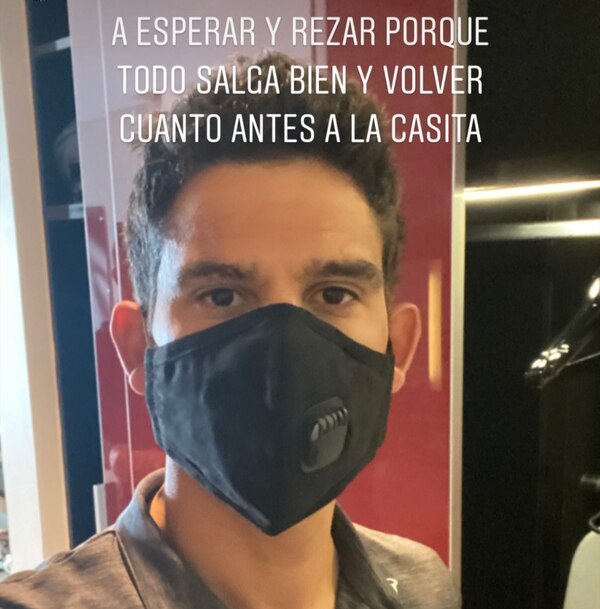
Once the Tour of the United Arab Emirates was suspended due to the warning of the presence of the coronavirus in the cycling caravan, Costa Rican cyclist Andrey Amador follows all the detection and control protocols dictated by the event organizers and health authorities.
“We have already been tested, we are waiting for the results and hope that we are all well and that they give us the green light to leave,” said the Ineos runner to La Nación.
In his Instagram account, the Tico published a story in which he appears with a black mask, accompanied by the legend “to wait and pray because everything goes well and return as soon as possible to the house”.
Immigration official this Friday at the Juan Santamaría airport at its passenger reception desk. The terminal has already activated a security protocol in case of travelers with suspected coronavirus / Lilliam Arce Roble symptoms for LN.
Costa Rica Health authorities confirmed Friday that they have 34 Costa Ricans (Ticos) arriving on Tuesday from South Korea under observation, in case they show symptoms of the new Covid-19 coronavirus.
The San Jose airport (SJO) terminal has already activated a security protocol in case of travelers with suspected coronavirus. In the photo by Lilliam Arce Roble for La Nacion, an immigration official at his desk attending to arrivals.
Rodrigo Marín Rodríguez, director of Vigilancia de la Salud, said that all these people are members of the Chorale Café Choir, which was in the Asian country between February 17 and 20, today considered an active transmission zone.
The Ministry of Health activated health monitoring and surveillance protocols also for the entry of people from China, Iran, and Italy.
This change was introduced on Tuesday mid-morning, two hours before the confirmed entry of the group of Costa Rican singers.
Marín explained that none of these travelers had symptoms but, for health safety reasons, have received daily monitoring of symptoms.
“None are admitted to hospital, only under preventive follow-up,” he insisted, adding that he is personally attending to these Costa Ricans, maintaining daily communication with everyone through WhatsApp group created for that purpose.
The Minister of Health, Daniel Salas, confirmed that 146 people have already been assessed since the protocol was initiated in event of a coronavirus case at Juan Santamaría airport, Salas explained.
The government of Mexico confirmed on Friday it had detected the first two cases of coronavirus infection in two men who had recently traveled to Italy.
According to the Mexican government, the country is prepared to face the epidemic
Mexico is the second in Latin America country to register the virus; Brazil was the first making the announcement on Wednesday.
In Mexico City, Deputy Health Minister Hugo Lopez-Gatell Ramirez told reporters that a 35-year-old man who showed positive in an initial test went through a second test that turned up positive results early on Friday.
The deputy minister, alongside Mexico’s President Andres Manuel Lopez Obrador, explained that the case is connected to the second case in the northern state of Sinaloa. While a second test is still pending on the Sinaloa case, “we are treating this as confirmed,” Lopez-Gatell said, adding that neither person is seriously ill.
Passengers have started wearing masks at the Mexico City International Airport.
He added that the infected man, 41 years old, is stable with “a mild illness”, with symptoms similar to a cold and that, being a young person and without previous illnesses, his case is “very low risk.”
Obrador urged the population to remain calm and said officials would report daily on the progress of cases. “We have the capacity to handle this situation. We have doctors, specialists, hospitals … We have already talked about this situation, and we are prepared,” said President Obrador, who stressed that this virus “is not something terrible, it’s not fatal, it’s not even equivalent to influenza.”
The two patients in Mexico with confirmed cases of coronavirus traveled to Italy recently.
Probable contagion in Italy
The two men were in Bergamo, Italy, during the third week of February at a convention.
According to authorities, everything seems to indicate that a person of Italian nationality and resident in Malaysia, who also has symptoms, was the one who infected the two Mexican men.
In addition, two other men who are asymptomatic are under observation, one in Mexico City and one in the State of Mexico, after attending the same convention.
Mexico does not have direct flights to Italy, but to several European cities with connections, such as Madrid, Barcelona, Paris, London or Amsterdam.
Today, Italy has more than 650 confirmed cases and 17 deaths due to the coronavirus
Second case in Latin America
Until now, only one case has been registered in Latin America. Last Wednesday, a 61-year-old Brazilian who had recently traveled to northern Italy was diagnosed with covid-19, after being admitted to the Albert Einstein hospital in São Paulo for presenting symptoms associated with the disease.
Although other Latin Americans had been infected before, this was the first patient that was detected in some territory of the region, which until then was the only one in the world (besides Antarctica) without registering confirmed cases.
Attorney General, Emilia Navas Aparicio, at 8 am this Friday morning, led a raid on Government House (Casa Presidencial) along with the Oeganismo de Investigacion Judicial (OIJ) and while the Ministero Publico (Prosecutor’s Office) executed raids on nine other locations.
Judicial agents entering Casa Presidencial located in Zapote
The raid on is related to an investigation to determine whether or not a Presidency advisory office accessed confidential data of residents, with respect to the creation and operation of the Presidential Data Analysis Unit (UPAD).
Officials of the Judicial Investigation Agency (OIJ) cordoned off the main entrance to the building to president Carlos Alvarado’s office.
Alejandro Madrigal, one of the data analysts, who arrived on foot about ten minutes after the raid began was turned away. “They won’t let me through,” he told the press.
Alejandro Madrigal, one of the members of the UPAD unit was denied access to Casa Presidencial during the raid
The Prosecutor’s Office said that it investigates the alleged crimes of violation of personal data, abuse of authority and prevaricate.
President Carlos Alvarado is listed as one the people under investigation, as well as the Minister of the Presidency, Víctor Morales Mora, and the Vice Minister of Planning, Daniel Soto Castro.
Also, data analysts Alejandro Madrigal Rivas, Diego Fernández Montero and LGTBI rights commissioner, Luis Salazar Muñoz, as well as Felly Salas Hernández, head of the president’s office, appear on the list of people under investigation.
“It is presumed that, among the work of this group, it would have been ordered to request personal and sensitive data of citizens from different institutions and it is believed that Alvarado was aware of this.
“Apparently Alvarado, Morales and Soto issued a decree to continue developing this activity, although they allegedly knew they were breaking the law. However, given different questions, on the previous February 21, the Presidency of the Republic would have informed about the repeal of this decree,” said the Prosecutor’s Office in a statement.
Among the other locations raided, the offices of theMinistry of Planning (Mideplán), the Ministry of Education (MEP), the Ministry of Transport (MOP), the Ministry of Finance (Hacienda) and the Instituto Mixto de Ayuda Social (IMAS)
Mideplan offices
Nancy Marín, Minister of Communication, confirmed that the president was not in the Government House at the time of the raid. However, the spokeswoman said, Alvarado, will appear in the afternoon for several meetings in his office.
Marín reiterated that they are “open doors” before the judicial requirements.
On Monday, on national television and radio, Alvarado admitted that there were “errors” in the formation of the unit and described as “legitimate” the concerns related to the decree by which it was created.
So far President Alvarado has not made any public statements, to the press or on social media, on morning raid.
The case file for the investigation is 20-005422-0042-PE.
As the new coronavirus continues to spread across the globe, so does misinformation surrounding it. While Costa Rica does not yet have a confirmed or suspicious case, Health authorities are not taking it for granted, prepared for its arrival – sooner or later.
Arrivals hall at San Jose airport. Archive photo
It’s true that there is still a lot to be learned. There are many things we do know about this incredibly infectious and sometimes deadly disease that originated in Wuhan, China, it in terms of how it can and can’t be spread and prevented.
Still, that hasn’t stopped myth. The World Health Organization (WHO) decided to debunk all of those falsehoods. Knowledge is power, especially when we may be on the brink of a pandemic.
Here’s what you need to know about the myths surrounding COVID-19—and what the experts have to say about them.
Myth #1: Hand dryers can kill the new coronavirus
No. Hand dryers are not effective in killing the 2019-nCoV. To protect yourself against the new coronavirus, you should frequently clean your hands with an alcohol-based hand rub or wash them with soap and water. Once your hands are cleaned, you should dry them thoroughly by using paper towels or a warm air dryer.
Myth #2: An ultraviolet disinfection lamp can kill the new coronavirus
UV lamps should not be used to sterilize hands or other areas of skin as UV radiation can cause skin irritation.
Myth #3: Thermal scanners are effective in detecting people infected with the new coronavirus
Thermal scanners are effective in detecting people who have developed a fever (i.e. have a higher than normal body temperature) because of infection with the new coronavirus.
However, they cannot detect people who are infected but are not yet sick with fever. This is because it takes between 2 and 10 days before people who are infected become sick and develop a fever.
Myth #4: Spraying alcohol or chlorine all over your body can kill the new coronavirus
No. Spraying alcohol or chlorine all over your body will not kill viruses that have already entered your body. Spraying such substances can be harmful to clothes or mucous membranes (i.e. eyes, mouth). Be aware that both alcohol and chlorine can be useful to disinfect surfaces, but they need to be used under appropriate recommendations.
Myth #5: It isn’t safe to receive a letter or a package from China
Yes, it is safe. People receiving packages from China are not at risk of contracting the new coronavirus. From previous analysis, we know coronaviruses do not survive long on objects, such as letters or packages.
Myth #6: Pets can spread the new coronavirus (2019-nCoV)
At present, there is no evidence that companion animals/pets such as dogs or cats can be infected with the new coronavirus. However, it is always a good idea to wash your hands with soap and water after contact with pets. This protects you against various common bacteria such as E.coli and Salmonella that can pass between pets and humans.
Myth #7: Pneumonia vaccines can protect you against the new coronavirus
Vaccines against pneumonia, such as pneumococcal vaccine and Haemophilus influenza type B (Hib) vaccine, do not provide protection against the new coronavirus.
The virus is so new and different that it needs its own vaccine. Researchers are trying to develop a vaccine against 2019-nCoV, and WHO is supporting their efforts.
Although these vaccines are not effective against 2019-nCoV, vaccination against respiratory illnesses is highly recommended to protect your health.
Myth #8: Regularly rinsing your nose with saline can help prevent infection with the new coronavirus
No. There is no evidence that regularly rinsing the nose with saline has protected people from infection with the new coronavirus.
There is some limited evidence that regularly rinsing nose with saline can help people recover more quickly from the common cold. However, regularly rinsing the nose has not been shown to prevent respiratory infections.
Myth #9: Eating garlic can help prevent infection with the new coronavirus
Garlic is a healthy food that may have some antimicrobial properties. However, there is no evidence from the current outbreak that eating garlic has protected people from the new coronavirus.
Myth #10: Putting on sesame oil can block the new coronavirus from entering the body
No. Sesame oil does not kill the new coronavirus. There are some chemical disinfectants that can kill the 2019-nCoV on surfaces. These include bleach/chlorine-based disinfectants, either solvents, 75% ethanol, peracetic acid and chloroform.
However, they have little or no impact on the virus if you put them on the skin or under your nose. It can even be dangerous to put these chemicals on your skin.
Myth #11: The new coronavirus only affects older people
People of all ages can be infected by the new coronavirus (2019-nCoV). Older people, and people with pre-existing medical conditions (such as asthma, diabetes, heart disease) appear to be more vulnerable to becoming severely ill with the virus.
WHO advises people of all ages to take steps to protect themselves from the virus, for example by following good hand hygiene and good respiratory hygiene.
Myth #12: Antibiotics are effective in preventing and treating the new coronavirus
No, antibiotics do not work against viruses, only bacteria. The new coronavirus (2019-nCoV) is a virus and, therefore, antibiotics should not be used as a means of prevention or treatment.
However, if you are hospitalized for the 2019-nCoV, you may receive antibiotics because bacterial co-infection is possible.
Myth #13: There are specific medicines to prevent or treat the new coronavirus
To date, there is no specific medicine recommended to prevent or treat the new coronavirus (2019-nCoV).
However, those infected with the virus should receive appropriate care to relieve and treat symptoms, and those with severe illness should receive optimized supportive care. Some specific treatments are under investigation, and will be tested through clinical trials. WHO is helping to accelerate research and development efforts with a range or partners.
Costa Rican model Karina Ramos, who represented the country at the 2014 Miss Universe, recently took to her Instagram page and shared a very hot bikini picture with her fans.
Posted on Saturday, February 22, the Karina was sporting a tiny, animal-print bikini that allowed her to show off her incredible figure, particularly her enviable cleavage as her amazing abs.
The former beauty queen is a natural beauty, proving so by wearing minimal makeup: a beige foundation and a nude lipstick, and defined eyebrows while painting her nails with red polish to keep it stylish.
With her hair in a bun, no jewelry, and accessories, she pulled off the perfect beachy look.
According to the geotag, the snap of the Heredia native was captured at Playa Manuel Antonio, located in the mid-Pacific (one hour south of Playa Jaco)one of Costa Rica’s most popular beaches.
The caption read: “Feliz y con el corazón llenísimo, recargando baterías” (Happy and full hearted, recharging batteries).
Two men were arrested at the Daniel Oduber International airport in Liberia, Guanacaste, Costa Rica, accused of trying to smuggle out a large load of marijuana-laced chocolates out of the country.
The men attracted the attention of authorities hauling seven pieces of luggage as they attempted to leave Costa Rica’s tourist hub on the Pacific coast.
Inside the suitcases were 1,087 chocolate bars that contained marijuana, with a total weight of 83.7 kilograms (184 lbs), but it is unclear if that was the combined weight of chocolate and marijuana or just marijuana.
Also seized was US$1,800 in cash.
Arrested was a 49-year-old Canadian named Camerún Paterson and a 31-year-old American named Sayela Wala.
The two had entered Costa Rica as tourists on February 14 at the Peñas Blancas land border crossing with Nicaragua. They were scheduled to leave days later on a flight to the United States and then to Amsterdam.
The two were charged with international drug trafficking.
Last month, Juan Guaidó appeared in Washington in the role of political totem. Venezuela’s main opposition leader—the man who is recognized by that country’s National Assembly, millions of his fellow citizens, and several dozen foreign countries as the rightful president of Venezuela—was one of the special guests at the State of the Union address.
Citizens of a once-prosperous nation live amid the havoc created by socialism, illiberal nationalism, and political polarization.
President Donald Trump welcomed Guaidó as living evidence that his own administration was “standing up for freedom in our hemisphere” and had “reversed the failed policies of the previous administration”; he called Venezuela’s current leader, Nicolás Maduro, an illegitimate ruler whose “grip on tyranny will be smashed and broken.” He gave no details of how that would happen, The Atlantic reports.
Trump, who has never been to Venezuela or shown any prior interest in it—or, for that matter, shown any interest in freedom anywhere else —presumably knows that the country matters to some voters in South Florida. To their credit, members of Congress gave a bipartisan standing ovation to Guaidó nevertheless.
eorge Clooney, seen here in a 2015 commercial with Danny DeVito, has been a Nespresso ambassador since 2006.
An investigation carried out by Britain’s Channel 4 shows children working on six farms in Guatemala, the largest coffee producer in Central America. The TV documentary, which will air on Monday (in the UK), appears to show Guatemalan children picking beans, lifting heavy loads and working for up to six days a week.
George Clooney, seen here in a 2015 commercial with Danny DeVito, has been a Nespresso ambassador since 2006.
The plantations allegedly supply to Nestle-owned coffee giant Nespresso.
“We knew it was a big project when it started seven years ago, and honestly, I was surprised and saddened to see this story,” Oscar-winning actor George Clooney said in a statement.
Clooney says he was “surprised and saddened” after an investigation revealed child labor at Guatemalan coffee farms linked to the Nespresso coffee he advertises.
Clooney has been the company’s brand ambassador since 2006.
A high-profile advocate of ethical causes, Clooney called for a boycott of luxury hotels owned by Brunei last year because of the South-East Asian nation’s plans to impose the death penalty on people having gay sex or committing adultery.
The 58-year-old Clooney, who helped on his family’s tobacco farm in Kentucky during holidays as a teenager, added that he was “uniquely aware of the complex issues regarding farming and child labor” when it came to nations in the developing world.
Guatemala is the world’s 10th largest coffee producer and the largest in Central America. Photo Reuters: Jorge Dan Lopez
Nespresso, which has its headquarters in Switzerland, said in a statement that it sourced all its coffee beans ethically and was investigating the allegations.
“We have immediately stopped purchases of coffee from all farms in the region and we will not resume purchases until we are able to investigate and be assured that child labor is not being used,” said Nespresso chief executive Guillaume Le Cunff.
With a population of 17.3 million, Guatemala is the world’s 10th largest coffee producer.
“We are making significant efforts to address child labor and protect the children in the coffee farming communities we work with, and we will continue to do so,” Han de Groot, chief executive of the Rainforest Alliance told CNN.
The U.S. State Department is stepping up an advertising campaign in Central America to warn would-be migrants against illegally traveling to the United States, Fox News reports.
“The message that we’re sending is that the pathway to the United States illegally is a futile journey,” said a senior State Department official.
The United States government is funding several billboards in Guatemala and El Salvador, as well as advertising panels on bus stops in Honduras that are going up this week, according to the official.
The billboards caution Central Americans that “The road to the USA has become more dangerous. Don’t put your children at risk. Give them the security they deserve.”
This is part of a broader campaign that involves radio ads and social media posts from U.S. embassy staffers in the region. The federal government has previously used advertising campaigns like this to dissuade Central Americans from illegally traveling to the U.S. though thousands every month make the trip anyway fleeing violence, corruption and poverty.
Over the past several months, the Trump administration has signed agreements with Central American countries allowing the U.S. to deport migrants seeking asylum to another country. Officials say that’s part of their warning in the U.S. advertising campaign.
“Things have changed in the United States. If you get to the border, we have stronger border security there,” said the senior State Department official. “The likelihood of being turned away and returned to your country of origin or to somewhere else is a lot greater.”
Last year, 61 percent of migrants apprehended at the southwest border were from Northern Triangle countries: Guatemala, El Salvador and Honduras. Now, 61 percent are from Mexico, according to U.S. Customs and Border Protection.
Monthly Border Patrol apprehensions at the southwest border have fallen by nearly 75 percent since May during the height of last year’s border crisis, according to government figures released earlier this month.
The plan to build a tunnel and eliminate traffic lights at the intersection of Hatillo 6, on the Circunvalación, received three offers from companies interested in developing the designs and carrying out the work.
Constructora Meco, the Copisa-Intre group and the Typsa-Conansa-Puentes Prefa consortium have shown an interest to submit their bids to build the tunnel, their respective approach accesses and an acceleration lane parallel to Circunvalación in a south-north direction, La Nacion reports.
Should you cancel your trip because of coronavirus? It depends on your
OPINION – It has been some years since I visited my birth country, Italy. And 2020 was to be the year that I and my wife would visit, get to know the country, in particular the north, from where most of my Italian friends in Costa Rica are from, a part of Italy I have never been to.
Travelers are worried that they will be infected by coronavirus when they are on the road. But should they cancel their vacations? Getty iimages
It was to be our honeymoon, though we have been together for more than a decade. Not many weeks ago we discussed the places we would visit, incorporating at least a week with a dear friend living here in Costa Rica who had already booked a month in summer (in Italy) home.
Yesterday we canceled our travel to Italy plans for this year.
Many travelers are asking the same question. Should I cancel my trip because of the coronavirus?
Coronavirus is spreading at an alarming rate. The virus sweeps the globe. The virus has infected more than 82,600 people in China and at least 46 other countries.
The number of coronavirus cases in Italy soared. Italian officials counted 528 cases, up from 400 on Wednesday, with 14 deaths. The number of infections more than doubled in three days.
A medical tent outside of the emergency ward of the Piacenza hospital in Italy on Thursday. The country is battling Europe’s largest coronavirus outbreak.Credit…Claudio Furlan/LaPresse, via Associated Press
Whole towns have been isolated. Most other affected European nations had just a handful of cases. In Spain, where there are 17 cases, the latest patient, announced Thursday, was a soccer fan from Valencia — one of the thousands who had traveled to Milan.
Health officials have not issued any broad recommendations to the general public about limiting travel that would trigger a wave of vacation cancellations, at least for the moment.
Costa Rica’s minister of Health, Daniel Salas, was emphatic on Wednesday that the country would not close its borders to visitors from China, South Korea, Italy and Iran.
Costa Rica does not have any confirmed or suspicious cases of the coronavirus, but Salas was clear that it will get here “sooner or later”.
The question of whether it’s appropriate to cancel or change travel plans due to spread of the coronavirus is a personal decision.
Should you cancel your trip because of coronavirus? It depends on your personal situation
Questions you should ask before canceling your trip because of the coronavirus
Is your destination affected by the coronavirus outbreak?
Are you part of a group that is at risk of a coronavirus infection (older people or those with pre-existing medical conditions).
Do you have travel insurance? If you cancel, will your travel insurance cover your costs?
The most important criteria for cancellation is your destination. Browse official websites on the internet for travel advisories to see if it’s still safe to travel. Don’t rely on one source. Check the latest U.S. State Department travel advisories. The Canadian government advisories and U.K. travel advisories are also a good source for up-to-date health information.
Another good source is Medjet. If the medical evacuation company suspends coverage in a country, that’s a dealbreaker.
What’s your health? Your health is an important consideration whether to cancel your trip because of the coronavirus.
Italy is out for me, for now. But I will not let the Coronavirus stop me from traveling.
Rico’s TICO BULL – It’s official, no U.S. television networks are on now Costa Rica’s cable television. CBS was the only holdout. NBC was the first go. Then ABC went quietly into oblivion. And on February 21, CBS went too.
In an short statement on its website, Cabletica says the shut off of CBS is due to the fact that said channel does not have 100% of the programming rights for our country. The same line used when NBC and ABC left Costa Rica’s cable tv lineup.
My understanding is that the American stations are losing money, they cannot control the advertising reaching (you and me).
If you will not the annoying and repetitive infomercials CNN places in the ad slot, at least FOX News gives “FOX Extra” which is entertaining and informative. Not a big fan of FOX News, my remote automatically goes to FOX now that CBS is no longer there not to be totally bored at CNN.
Does this happen to you too?
I believe it is the same at the other cableras (cable tv companies in Costa Rica), ie Tigo, Telecable, etc. Since I don’t know anyone who actually has Tigo, or the others, send me an email to tell me different.
But not to worry, all my and your favorite programs are still available, albeit not your cable, but on your browser.
Set your VPN to U.S. (comes standard and free now on Firefox and other browsers), and stream your favorites on NBC, CBS and others. Want to change it up a bit, set the VPN to Canada, the same shows, but with the Canadian commercials, eh.
It’s not a matter of if, but when the coronavirus will arrive in Costa Rica
Costa Rica’s Minister of Health has warned that the novel coronavirus will arrive in Costa Rica. Although the country has no suspected or confirmed case, in the words of Minister Daniel Salas, “We cannot prevent it from reaching our country (…) there will be no country to be saved.”
It’s not a matter of if, but when the coronavirus will arrive in Costa Rica
The coronavirus COVID-19 is a respiratory virus. It’s spread in a similar way to the common cold or to influenza. It’s spread through coughs and sneezes. So everyday sensible measures that people to do every year with the flu are important here — covering your cough, staying home when you’re sick and washing your hands.
The US Department of Homeland Security, on its website, recommends a number of things that Americans can do before a pandemic strikes.
We can take some of those recommendations and apply them here, at home, in Costa Rica.
1. Store a two-week supply of water and food, as well as over-the-counter medications you tend to take. Have any nonprescription drugs and other health supplies on hand, including pain relievers, stomach remedies, cough, and cold medicines, fluids with electrolytes, and vitamins.
2. Travelers should avoid all nonessential travel to mainland China and South Korea; to consider postponing nonessential travel to Italy, Iran, and Japan.
Regarding whether there are places to avoid in your community, such as the grocery store, health officials recommend to simply be mindful of avoiding close contact with people who may be sick. Also, if you are sick, keep your distance from others to protect them from getting sick too.
3. If your child is sick, it’s important to keep them home from school in order to protect other students from getting sick. Talk to employers about whether working online (from home) will be an option if needed.
4. What if I have to go to the doctor? Talk to your doctor’s office about options, like a home visit.
5. Do you need a facemask? In the U.S., the CDC does not recommend that people who well wear facemasks. Rather, the CDC recommends to only wear a mask if a health care professional recommends it. A facemask should be used by people who have the novel coronavirus and are showing symptoms — that is in order to protect others from the risk of getting infected.
6. How can you avoid getting sick? There is currently no vaccine to prevent coronavirus disease, so the best way to prevent illness is to avoid being exposed to the virus.There are several things to do to prevent the spread of any respiratory diseases:
Avoid touching your eyes, nose and mouth
Cover your cough or sneeze with a tissue and throw the tissue away
Clean and disinfect frequently touched surfaces and objects
Wash your hands often with soap and water
7. If someone in your household has the virus — or thinks they do? – the best way to first determine whether you have the virus is to get tested. Costa Rica now has the ability to obtain test results in 12 to 24 hours.
An infected person might not show symptoms for up to 14 days after exposure. That’s especially worrisome because this novel coronavirus can be transmitted while a person isn’t showing any symptoms. Fever, cough, runny nose, sore throat and trouble breathing are some of the most common symptoms of the novel coronavirus.
8. If you have questions about the novel coronavirus, reach out to the Ministerio de Salud (in Spanish) or find more information (in English) on the CDC’s website at www.cdc.gov.
For the tourism sector
The Instituto Costarricense de Turismo (ICT) on Wednesday called on the national tourism industry to work hand in hand with the Ministry of Health and the Costa Rican Social Security Fund (CCSS).
The main recommendations for the tourism sector are:
Identify a coordinator that defines the roles and responsibilities of each employee in preparation and response to the alert and that this is the contact person to guarantee the dissemination of the information provided by the Ministry of Health, both to all staff and to suppliers and tourists who use their services.
Implement in the company the prevention measures recommended by the health authorities.
Provide staff access to health services if there are cases with suspicious symptoms of COVID-19.
Keep bathrooms stocked with toilet paper, hand soap, disposable paper towel or electric hand dryer.
Place posters in visible places on hand washing and cough and sneeze protocol.
Clean all doorknobs, washbasin handles, toilets, telephones, keyboards and computer devices disinfectant or alcohol, at least 2 times a day.
Keep workplaces ventilated, without creating sudden drafts.
The Ministry of Health also recommends that owners or tourist administrators identify the public health services closest to which a person with suspicious symptoms of coronavirus (telephone, address and means of transport to provide the service) may be referred and in the case for hotel services, select the rooms that meet the best conditions to apply the “isolation” preventive measures and strict follow-up to contacts if necessary.
Pay attention if you want to spot a twist. Knives Out and The Last Jedi director Rian Johnson has said that Apple won’t let the bad guys in movies use iPhones. “Apple… they let you use iPhones in movies but — and this is very pivotal if you’re ever watching a mystery movie — bad guys cannot have iPhones on camera,” the director said in a video interview with Vanity Fair.
He joked that revealing this information could potentially spoil future mystery movies by revealing who the goodies and baddies are. This control seems to go back a long way, The Verge reports.
“Every single filmmaker that has a bad guy in their movie that’s supposed to be a secret wants to murder me right now,” he joked. It’s a particularly important detail in a movie like Knives Out, where, at one point or another, basically every character is suspected of murdering wealthy crime novelist Harlan Thrombey. Don’t worry, though, the specific screenshot Johnson shares isn’t too much of a spoiler if you’ve yet to see the film.”
There have long been rumors about Apple’s control over how its products are shown in TV shows and movies. According to MacRumors, the company says that its products should only be used “in the best light, in a manner or context that reflects favorably on the Apple products and on Apple Inc.”
Last year, The New York Times reported that Apple was concerned with how its devices were depicted in content made for its own streaming service.
Apple did not immediately respond to a request for comment.
President Carlos Alvarado, despite explaining ad nauseam that “nothing happened” AND apologizing for the UPAD debacle, he is having a difficult time setting blame.
Isabel Abarca works at the National Reference Center for Virology, incense, which will be the laboratory responsible for confirming the diagnoses of the new coronavirus. Photo: Jonathan Jiménez for GN
The coronavirus will arrive in Costa Rica sooner or later and no action taken will stop it. This was stated at a Wednesday afternoon press conference by Costa Rica’s Health Minister Daniel Salas.
Isabel Abarca works at the Centro Nacional de Referencia de Virología (National Reference Center for Virology) of the Instituto Costarricense de Investigación y Enseñanza en Nutrición y Salud (Inciensa), which will be the laboratory responsible for confirming the diagnoses of the new coronavirus.
“We cannot prevent it from reaching our country, we just don’t know when it will (…). It is imminent to reach everyone, there will be no country to be saved. What must be done is to take containment measures, detect cases when they arise and isolate them,” said Salas.
“… We may have a suspicious case in the next few days or weeks,” the minister added.
“The fear that has arisen around this issue suggests that the majority of the population is at risk of becoming seriously ill and that is not correct,” said the Minister of Health.
Some measures could delay the arrival of the lethal virus, such as denying the entry of people from China, Italy, South Korea, and Iran, countries with confirmed cases.
Costa Rica will take only 12 hours to diagnose infection with the new coronavirus; IT acquired supplies for testing to be carried out locally; until today, no suspicious cases have been detected. Ministry of Health
Salas said that that protocol is not being applied because some people who carry the virus will have no symptoms and may be infected from other places.
Costa Rica does not have, at this time, any confirmed or suspected cases. The closest the COVID-19 to Costa Rica is the first confirmed case in Latin America to be in Brazil.
Nor does Costa Rica have any direct flights from China, South Korea, Italy or Iran, the four countries with the highest issues with the coronavirus.
It does, however, have direct flights from other European countries such as France, Spain, Germany, Switzerland, and the UK that could see visitors arriving from those countries.
The front page headline of this morning’s La Teja
At the international airports, visitors are asked if they have been in those four countries in the last 14 days or if they have a fever greater than or equal to 38° C (100.4 F), cough or sore throat and in the most severe cases, respiratory distress.
The good news, according to Salas, is that in case national authorities detect a suspicious case, following the protocol of the World Health Organization (WHO), Costa Rica is able to confirm or rule out cases because it has a test called chain reaction of polymerase in real time.
A person who is suspected of having the virus is isolated, that test is applied and the result is available in as little as 12 hours.
Health officials warn that people who should be more careful not to get the virus are the hypertense, diabetics, people with respiratory diseases such as asthma and seniors.
“In children, there has been no significant impact in terms of severity,” said the minister. “To the list of the vulnerable, we must add smokers, vapers and people with immune system diseases,” added the minister.
Mario Ruiz, medical manager of the Caja Costarricense de Seguro Social (CCSS) emphasized that the coronavirus is transmitted by contact and by saliva.
To contract the coronavirus it is necessary that there be an epidemiological link, that is, that the person who has not left their house or received strangers, can hardly be infected.
The minister said they will not close borders to Chinese or Italians, Iranians or Koreans.
“That is because of the biosecurity profile of the virus that is not very lethal. The closing of borders delays the arrival a few days, but will always arrive, it will do so from other countries with more vulnerable systems. It is not a measure (the closing of borders) that is considered effective,” he said.
El Salvador earlier this week, announced a ban on visitors from Italy and South Korea.
Local and international filmmakers came together at the European Film Market on Sunday, February 23 for the ‘Shooting in Central America and the Caribbean’ panel, sponsored by Panama Film Commission, in partnership with Screen International.
International productions are drawn in part by Panama’s financial incentive that offers a 15% rebate on production costs in the country, reports Screen Daily.
Prabhakar Sharan, vice president of the Indo Latin American Chamber of Commerce and also an actor, director and producer based in Panama and Costa Rica, said: “International shoots have played a key part in [creating] more and more skilled local crews [in these countries].”
Sharan was born in India but has developed his filmmaking career in Central America. He made Enredados, La Confusion in 2018, a Latin American take on a Bollywood-style film, and works to increase collaboration between the Bollywood industry and Central America. “The new government is supporting the industry a lot,” he said of Panama’s appeal.
Hortor, the global strategic resourcing consultancy with its UK headquarters in Yorkshire, is set to expand its presence in Costa Rica as part of its ambitious plans to become a US$150 million dollar turnover business within five years.
Situated in a strategic position alongside Central America’s major economic hubs, Hortor will look to grow its diverse client base out of a larger office located in Costa Rica’s capital and largest city of San José, reports the Global Recruiter.
“We have identified Costa Rica as a country and marketplace with huge potential,” comments Spanish speaking business development manager, Florencia Prato, who has recently been appointed to support a team of resourcing experts.
“With an educated workforce and growing economy, we believe scaling up Hortor’s consultative approach will deliver greater results for companies in this relatively untapped marketplace.
“As a native Spanish speaker myself, I will be able to forge a strong relationship with our local team of experts and quickly develop the market insight that will determine how best we can deliver our services to our growing client base,” said Prato.
“Expanding our presence in Costa Rica forms part of our long-term strategy due to the growth potential we are expecting to see from the San José office,” said Horto CEO, Andy Nicholson.
The Hortor office in Costa Rica is located in the Regus, Centro Corporativo Plaza Roble, Edificio 5. Find out more.
SKECHERS USA, a global leader in the lifestyle and performance footwear industry, announced that the Company is transitioning its business in Latin America from a third-party distributor to a wholly-owned subsidiary, SKECHERS Latin America LLC.
The subsidiary will oversee more than 30 countries in the region, including the four key markets of Panama, Peru, Colombia, and Costa Rica.
Additional regions under the new subsidiary include Guatemala, El Salvador, Honduras, Nicaragua, the Caribbean, and Ecuador, according to Businesswire.
“SKECHERS’ strategic business model has established a strong framework for our brand to grow in many parts of the world – and we see Latin America as the next natural destination for us to employ this vision … Latin America and its key markets remain an important part of our international business, especially given our current growth in the Americas – including the United States, Canada, Brazil and Mexico,” said David Weinberg, chief operating officer of SKECHERS.
Based in Panama City, Panama, SKECHERS Latin America LLC will oversee the Company’s business.
After the slowdown in growth between 2017 and early 2019, the Costa Rica economy has recovered since mid-2019, as a result of a rebound in services, agriculture, and manufacturing, which produced an estimated 2.1% growth in 2019, reported the International Monetary Fund (IMF).
“Growth remains susceptible to adverse shocks to global growth, economic and socio-political stress in Nicaragua, the continued weakness in consumer and business confidence, and uncertainty regarding the implementation of the fiscal reform,” says the IMF.
An International Monetary Fund (IMF) team led by Inci Otker visited San José from February 18 to 24 to discuss recent economic developments, progress with the fiscal reform, and the overall macroeconomic outlook. The mission held fruitful discussions with Central Bank of Costa Rica President Rodrigo Cubero, Finance Minister Rodrigo Chaves, members of the Legislative Assembly, other senior government officials, and representatives of the financial and private sectors and think-tanks.
At the end of the visit, Ms. Otker issued the following statement:
Macroeconomic conditions remain broadly stable, but growth continues to be subdued. Following consecutive falls in growth from 2017 to early 2019, the economy has turned around since mid-2019, owing to a rebound in services, agriculture, and manufacturing and resulting in an overall estimated growth of 2.1 percent in 2019. Reflecting the weaker economic activity, elevated unemployment around 12 percent, lower oil prices, and a stronger domestic currency (the colón), inflation fell below the 2-4 percent target range of the Central Bank, while inflation expectations remained anchored to the mid-point of the target range. The current account deficit narrowed, fully covered by FDI inflows, with reserve coverage at comfortable levels. Growth is projected to pick up modestly to 2.5 percent in 2020, supported by the accommodative monetary policy stance, an improvement in the terms of trade from continued low oil prices, and moderately higher public investment. However, growth remains susceptible to adverse shocks to global growth, economic and socio-political stress in Nicaragua, the continued weakness in consumer and business confidence, and uncertainty regarding the implementation of the fiscal reform.
“Successful implementation of the fiscal reform approved in end-2018 and the fiscal rule that came into effect with the 2020 budget remain key to preserving macroeconomic stability and boosting confidence. The successful issuance of a US$1.5 billion Eurobond in November 2019 helped reduce pressures on domestic interest rates even further. Implementation of tax measures enacted in the fiscal reform law started to bring higher revenues. However, the central government’s primary deficit still rose to 2.8 percent of GDP in 2019, and the overall deficit rose to 7 percent, its highest level in more than 3 decades, owing to a growing interest bill, higher capital spending, and payment of some transfers owed in 2018. The central government debt reached 58.5 percent of GDP, up from 53.2 percent in 2018, and doubled its level a decade ago. The large fiscal deficit is the main risk to macroeconomic stability, with debt projected to exceed 60 percent of GDP in 2020.
“The authorities announced an additional fiscal adjustment package earlier this month, aimed at reducing debt and supporting economic growth. The measures include efforts to improve tax administration, reduce tax evasion, review tax exemptions, replace expensive debt with cheaper financing, and reform the public sector—including through the consolidation of public institutions and the streamlining of public wage scales—as well as asset sales and using financial surpluses of decentralized public agencies toward reducing debt. The mission welcomes the authorities’ additional efforts toward fiscal consolidation, while considering that the expected yield of some of the measures may take time to materialize. Given this, timely implementation of the already enacted reforms, clarity on the workings and strict implementation of the fiscal rule across the board (with the exceptions recognized by the fiscal reform law), and front-loading measures as much as possible to yield more immediate results, will be key to reviving confidence and further lowering funding costs. This will also help put debt more quickly on a sustained downward path toward a level prudent for emerging economies and create buffers against future shocks. The efforts will need to strike a good balance between spending cuts and revenue mobilization, while protecting growth and the vulnerable.
“The mission welcomes the authorities’ efforts to implement monetary policy oriented towards supporting economic activity, increasing exchange rate flexibility, and enhancing transparency and communication to strengthen monetary policy transmission and maintain inflation expectations firmly anchored. The mission also welcomes the authorities’ efforts to reduce the impact of dollarization on financial stability through greater exchange rate flexibility, differentiation of the reserve requirement on domestic and foreign currency-denominated deposits, and the upcoming reversal of the reduction in provisions for FX loans to non-dollar earners.
“The efforts to implement a broad array of structural reforms, underpinned by the substantial progress made towards OECD accession, including the planned environmental and education reforms and passage of the laws on deposit insurance and consolidated supervision, should support competitiveness, potential growth, and financial stability. The mission, however, recommends caution regarding ongoing discussions on introducing lending rate limits, for their negative impacts on financial inclusion, financial intermediation, and monetary policy transmission. The mission suggests addressing the underlying causes of high interest rates, particularly those related to distortions on the operation of public and private banks. Tackling these distortions would also contribute to strengthening monetary policy transmission.
“The team would like to thank the authorities for their warm hospitality and all stakeholders for the candid and fruitful discussions. The team looks forward to returning in June 2020 to conduct the Article IV Consultation and provide a fuller assessment of the economic situation.”
The sale of vehicles slowed down and, as expected, the financing for their purchase. At the same time, those who have financed their purchase show delays in monthly payments or have stopped paying altogether.
This has led financial institutions – lenders – to foreclose on a greater number of vehicles of consumers are no longer paying their debts on.
The Banco de Costa Rica (BCR), BAC Credomatic, Scotiabank and Cafsa report an increase in cars foreclosures in the last year, while the Banco Nacional (BN) began to see the increase in 2018.
The increase in defaults ranges from 19% to 50%, with the number of vehicles repossessed doubling from the normal.
Although the default on loans is present in vehicles of all types, recent models with less than years are the most defaulted on.
The increase is due, “first, to changes in the economy, which have not only affected the local market, and second, to high customer indebtedness,” Nancy Camacho, vice president of Global Operations at Scotiabank, told El Financiero.
According to the experts, the slowdown in production and the higher unemployment rate has meant the degree of indebtedness of some consumers has worsened in the last two years.
This has led many debtors to increase the days of delay in their repayment, which leads to a deterioration of the credit portfolios of financial institutions.
This reality has impacted not only vehicles but various credit segments, including housing, credit cards and SMEs (small and medium enterprises) – Pymes in Spanish.
According to data from the General Superintendence of Financial Entities (Sugef), the delinquency rate on car loans in the financial system increased from 1.26% to 1.77% in the last year.
After repossessing the cars, these banks must now re-sell them. It can be cash or financed, according to the policies of each bank.
Most entities give loans in order to get rid of these assets; however, the BCR only sells them in cash.
The financing conditions are the same as those for used vehicles, but better terms can be negotiated, this will be varied.
To decrease their inventory, the price of these cars may be below the market for a relatively still new car, that for the most part are in good condition and few with mechanical problems, so it can be a good opportunity for those looking for a used car.
For sale, banks use different channels, such as used car fairs or their own websites dedicated to the sale of foreclosed assets (as in the case of the BCR, the BN, and Scotiabank).
Both Cafsa and CrediQ use the sales use used car lots of their dealerships, (Purdy Motor and Group Q, respectively). They also use digital platforms such as CRAutos and Encuentra24.
Héctor Fabio Osorio, a 50-year-old Colombian convicted in China of the death penalty has asked the Colombian government to intercede to expedite the process of his sentence: to be executed as soon as possible.
Hector Fabio Osorio is on death row in China, convicted seven years of drug trafficking
Osorio was arrested seven years ago for crimes associated with drug trafficking.
His relatives say that he is
His wife Marta Rodríguez, who has only been able to speak with the Colombian Foreign Ministry in China, says her husband is severely depressed and has already tried to take his own life at least once.
The began that communication has been interrupted Despite the critical situation her husband is living.
Osorio’s wife claims that her husband is currently in a prison in Wuhan, the epicenter of the coronavirus epidemic in China, where he is also confined in isolation and cannot receive visitors.
His relatives are asking for support from the government of Iván Duque to intervene, to have the Chinese accelerate his death sentence, as they consider it inhuman the treatment he is going through.
“I ask for help for humanitarian reasons. He is ill and is the one who has requested that the death penalty be executed. He hasn’t talked to anyone for more than seven years. He has never been able to communicate with me,” Marta Rodríguez said in a conversation with Blu Radio.
His relatives also say they have no further details of the crimes that are attributed to Osorio, only know that it is convicted for drug trafficking. His wife has said that in Colombia he worked in art and that when he traveled to China he told her it was for his art business.
In Wuhan, where the coronavirus has killed at least 361 people, there are 14 Colombian nationals that the government is trying to repatriate. This list does not include the name of Osorio, which is why his relatives are asking for a direct intervention by President Duque or the Colombian Foreign Ministry so that the death sentence can be executed promptly.
Airport employees wear masks as a precaution against the spread of the new coronavirus COVID-19 as they work at the Sao Paulo International Airport in Sao Paulo, Brazil, on Feb. 26, 2020.
A 61-year-old man who traveled to Italy earlier this month is the first confirmed case of the new coronavirus in Latin America, Brazil’s government confirmed on Wednesday.
Airport employees wear masks as a precaution against the spread of the new coronavirus COVID-19 as they work at the Sao Paulo International Airport in Sao Paulo, Brazil, on Feb. 26, 2020. Photo Andre Penner / AP
“We will now see how this virus behaves in a tropical country in the middle of summer, how its behavior pattern will be,” Brazil’s Health Minister Luiz Henrique Mandetta said in a press conference.
The Brazilian man, a resident of Sao Paulo, spent two weeks from Februay 9 to 21 in northern Italy on a work trip, where he contracted the contagious virus, the health ministry said.
Since the beginning of the outbreak in China, in Latin America, only Brazil and Colombia in the region have registered dozens of suspected cases.
At the moment, Brazil has ruled out 55 suspected cases and 4 remain under analysis, while Colombia has ruled out 13 suspected cases.
According to Brazil’s Health Ministry, the man began to show symptoms, such as a dry cough, throat pain and flu symptoms.
Brazil’s national health agency Anvisa says it has been working to map all contact the man had with other people in the hospital, at home, and on the plane returning to Brazil.
Italy scrambles to contain coronavirus
These latest maps and figures show the regions of Italy where coronavirus cases have been confirmed and which towns in the north of the country are in lockdown.
Lombardy is the epicenter of the outbreak in Italy, whose main city is Milan. The country has confirmed the 12th death of a patient from coronavirus – nine of those who have died in Lombardy – whilst on Wednesday the number of overall cases rose to 378 up from just 6 last Friday.
The PriceSmart company must pay ¢3 million colones (US$5,300 dollars) to a customer who was served a hamburger with a piece of glove, according to a ruling from the First Civil Court of San José.
In accordance with resolution 86-2020, issued on February 11, the payment attempts to compensate for the moral damage suffered by the woman surnamed Esquivel Meza, for events that occurred on June 17, 2017, in chain’s food area located in Alajuela, reports La Nacion (in Spanish).
Where D least imagines it is located D Bar, an ingenious place with capacity for 40 people and that seeks to elevate the Costa Rican cocktail bar to the next level. D Bar for LN.
Finding the elusive D Bar can become a feat, but once inside you will find a world completely dedicated to the most innovative cocktail bar that will transport you a century ago.
Where least imagined located is the D Bar, an ingenious place with capacity for 40 people and that seeks to elevate the Costa Rican cocktail bar to the next level. D Bar / Nacion
The D Bar is inspired by the speakeasy or clandestine bars that emerged during the so-called time of U.S. prohibition (1920 to 1933). Do not let the clandestine term scare you, it does not refer to anything illegal regarding the operation of this business, La Nacion reports.
Soon, “jugársela” (beating the system) on the road such with actions as not stopping for a red light, circulating in the restricted area or use the exclusive bus lanes will land you with a traffic ticket thanks to a series of traffic cams that will be operational before the end of the year.
The monitoring of roads will no longer be the exclusive domain of the traffic police, but also a comprehensive analytical system includes cameras and radars to combat traffic violations.
It consists of an intelligent program that will start with 40 cameras this year and reach 100 within a year after.
The equipment will be placed in strategic locations, especially on the roads with the high traffic volumes and the need for more controls.
For example, the Circunvalación is one of the points, as it the limit for the vehicular restriction program of San Jose on the west, south and east side. It is also a road with high incidents of vandalism, in particular the area of the Hatillos.
The traffic ticket and fines will be issued in real-time to the cell phone either by email or text message. Drivers will still have the opportunity to appeal the ticket within 10 days.
The Consejo de Seguridad Vial (Cosevi), a division of the Ministry Transport (MOPT), says the road control program seeks two main purposes: accident prevention and improving road traffic, although it can also be of big assistance in emergencies.
The Cosevi has invested US$55 million dollars in the technology, which includes analytical software that will integrate cameras and radars that will process all the information.
The contract for the program went to the state-run institutions, the Instituto Costarricense de Electricidad (ICE) and Radiográfica Costarricenseo (Racsa), working together with the Swedish company Sensys Gatso Group, through its American subsidiary Sensys Gatso USA, a leading provider of solutions in traffic management and the Costa Rican company, Lanprosa S.A.
This is the second time that a plan to regulate traffic through a camera system is launched, after the first attempt in 2011, which failed due to constitutional issues, primarily in the way traffic tickets were issued.
The failure resulted in a change in the law in 2012, that did away for the requirement that all traffic tickets had to be issued to the offending driver personally by a traffic official. The change also required drivers to register their email and or cell phone number to receive notifications.
At the time, thousands of drivers were picked off up by the traffic speed cameras. The Cosevi published in the local newspapers, as a notification, the names of the plate numbers. Several thousand drivers paid their fines promptly before the program was abandoned and the cameras went dark.
Today, although the technology-based road surveillance project is supported by several sectors, the notification system is still worrying for many.
Silvia Bolaños, former director of the Cosevi and now the Executive director National Chamber of Transporters, said “Obviously, from the point of view of road safety and road control, the project is essential since it is more than evident that road cameras reduce accidents and change the behavior of drivers. The concern is with the issue of notification of sanctions, especially in business sectors that manage fleets and have a high turnover (of drivers).”
Edwin Herrera, the current director of the Cosevi, said: “With the program, we will improve the road safety of users…it will allow us to have real data that we don’t have today because some people disrespect the traffic regulations.”
How will it work?
The Centro de Movilidad Segura e Inteligente (Safe and Intelligent Mobility Center) is an analytical system that goes beyond cameras and radars. Although its central axis is road control, it contributes to safety and emergency work.
The system will process the photos of the license plates using cameras installed on roads
The targets are those vehicles that are poorly parked or that circulate on restricted days or prohibited lanes
With radar support, it will also record photos of the plates of those who commit speeding violations
Inspectors will be able to track through mobile devices such as tablets and cell phones
Alert other entities in case of an emergency such as 911 and the Red Cross
Violators will be notified in real-time to their emails or by text message
Drivers who are not registered (their email or phone) in the Cosevi will be notified when they are going to pay the Marchamo
To the last point, the concern is lending your vehicle or fleet operations of companies, including rental cars. Registering a notification will permit the lender of the car or fleet operator to know in real-time of the offence and the cost.
The fines that will be issued by the traffic cams range from ¢23,415 for violating the vehicular restrictions of San Jose to ¢326,701 for passing on curves, street racing, disrespecting a red light, driving on the exclusive bus lanes. And course speeding.
For now, there is no indication if points are applied (to traffic violations with points, ie speeding) given that the cameras will be picking off vehicle plates and not the driver. For example, you lend your car to a friend who is caught speeding by a traffic cam. Who gets the ticket? You, the registered owner of the vehicle.
More than 100 people were laid off from their jobs at the Smile Direct Club, located in Alajuela where the plant operates. The company, dedicated to the production of orthodontic devices, has been operating in the country since 2016. It also has facilities in El Guarco de Cartago.
The reduction in the number of employees is due to the fact that the company is aligning the strategy in Costa Rica with its global strategy and jobs in the production part are being reduced, as indicated by spokesmen of the company, reports La Republica.
The President of El Salvador, Nayib Bukele, announced Tuesday the ban of passengers from Italy and South Korea from entering the country, with the aim of preventing possible cases of coronaviruses in El Salvador.
The ban is now up to three countries, including passengers from China, where the outbreak originated.
“I have ordered immigration to prohibit the entry of people from South Korea and Italy, to prevent the coronavirus from entering our country,” Bukele wrote on his Twitter account.
He ordenado a @migracion_sv la prohibición del ingreso de personas procedentes de Corea del Sur e Italia, para evitar que el Coronavirus entre a nuestro país.
Los connacionales y diplomáticos que vengan de esos países tendrán que pasar un período de 15 días en cuarentena.








 In an short statement on its website, Cabletica says the shut off of CBS is due to the fact that said channel does not have 100% of the programming rights for our country. The same line used when NBC and ABC left Costa Rica’s cable tv lineup.


 Situated in a strategic position alongside Central America’s major economic hubs, Hortor will look to grow its diverse client base out of a larger office located in Costa Rica’s capital and largest city of San José, reports the


