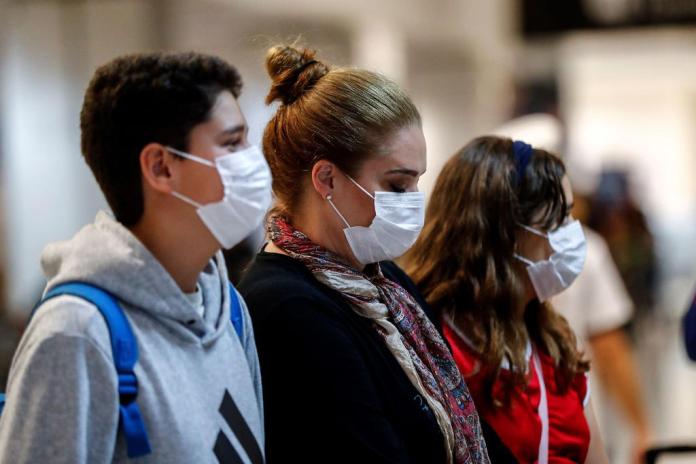
The Municipality of San José said it will take measures so that the indigent are protected against the coronavirus.
The indigent of San Jose say thet do not know what the coronavirus is
But the indigent of the capital city have another story, telling La Teja, on Friday, March 13, that neither the Ministry of Health nor the Muni (municipality) had informed them of anything.
They were unaware of the protocol of sneezing and coughing, that the virus kills people and that they should be washing their hands constantly and avoid touching the face, La Teja reports.
According to IMAS (Mixto de Ayuda Social) data, there are some 3,000 indigents in San Jose, making the streets of the capital their bed, without access to sanitary services and clean water
people want to make sure they have some comfort in their lives
Rico’s TICO BULL – As the new coronavirus (covid-19) has spread in Costa Rica, and around the world, in the past month many people are seeking supplies and essential items to cope with the pandemic.
People want to make sure they have some comfort in their lives during the pandemic
One of those items is toilet paper! Perhaps the worst doomsday scenario is being stuck on the toilet and finding you’re down to the last square?
At least that appears to be the prospect scaring many Costa Ricans right now.
The recommendation of the experts I hear and read is to have on hand antibacterial gel, disinfecting towels and, above all, wash your hands frequently. But many have chosen to also get, strangely, toilet paper.
Photos, videos, memes of people buying toilet paper en masse have been shared on social networks.
The FOMO – or Fear Of Missing Out – syndrome explains part of this mass behavior.
Experts in consumer psychology say the behavior is “obviously irrational,” and a prime example of a herd mentality fueled by social media and news coverage. When images of empty shelves appear, people feel fear and need to act, even if they don’t know what to do.
I just don’t get it, the purchase of toilet paper driven by fear.
I get that people want to be prepared. When it comes to the coronavirus no one is sure how things are going to turn out, or how much worse it’s going to get.
But stockpiling on toilet paper?
Experts say that this gives a certain sense of control, a reflection of an urbanized society and lifestyle where modern comfort is what reigns supreme.
The only rationale I can make of this behavior, not that it matters to anyone, is that I think people want to make sure they have some comfort in their lives if they’re going to be shacked up with their family for some extended period of time.
Toilet paper doesn’t really matter in the face of this pandemic, it’s so far down the survival list compared to other things like food or water.
As the coronavirus death toll continues to rise, some have suggested that the approaching warmer spring weather in the northern hemisphere may slow or even stop the spread of the disease. US president Donald Trump echoed this, saying: “The heat, generally speaking, kills this kind of virus.” But is he right?
The idea that the approaching spring may stem the spread of the disease comes largely from a comparison with the flu. In many ways COVID-19 is like the flu – both spread in similar ways (respiratory secretions and contaminated surfaces) and both cause typically mild respiratory diseases that can develop into life-threatening pneumonia. But the transmissibility and severity of COVID-19 are much greater than the flu. And it isn’t clear if COVID-19 transmission will be affected by seasonal temperature variation.
For the flu, the start of spring causes a significant drop in the number of cases that persists until the return of colder temperatures in autumn. This seasonality of the flu is thought to be caused by the sensitivity of the virus to different climates and by seasonal changes in the human immune system and in our patterns of behaviour.
First, the flu virus appears to survive better in cold, dry weather with reduced ultraviolet light. Second, for many of us, the shorter winter days lead to reduced levels of vitamin D and melatonin, which can affect the performance of our immune system. Third, in the winter we spend more time with other people, indoors and in closer proximity, increasing opportunities for the virus to spread.
How then would these factors affect coronavirus transmission? It is not clear what effect temperature and humidity have on the coronavirus itself, nor on its transmission. Some other coronaviruses are seasonal, causing common colds in the winter months.
The 2002-2003 Sars epidemic also began in the northern hemisphere winter and ended in July 2003 with a small resurgence in cases in the following winter. But Sars cases peaked in the warmer month of May, and the end of the epidemic in July may simply reflect the time required for virus containment, rather than an effect of the summer weather on virus transmission. Also, the related Mers coronavirus is primarily transmitted in hot countries.
Returning to the comparison with the flu, the 2009-2010 influenza virus pandemic began in the spring, increased in strength over the spring and summer and peaked the following winter. This suggests that in a pandemic, the high number of cases in many countries around the world could enable continued transmission of the virus throughout the summer, overcoming any seasonal variability that would be seen in smaller epidemics. While the WHO has not yet declared a COVID-19 pandemic, many experts believe we are rapidly approaching the pandemic stage.
So the approaching warmer weather may reduce viral transmission in the northern hemisphere (while potentially increasing transmission in the coming southern hemisphere winter), but it is highly unlikely that the weather itself will end this growing epidemic.
This article by Jeremy Rossman, Honorary Senior Lecturer in Virology and President of Research-Aid Networks, University of Kent is republished from The Conversation under a Creative Commons license. Read the original article.
Sunday, March 15 is the day that the Ministry of Health confirmed the most cases, that now stands at 35.
Lowering the number is the responsibility of EVERYONE.
Given the non-compliance to stay home and from crowds, the Ministry of Health ordered a total closure of bars, clubs and casinos. The total closure applies to the Parque de Diversiones amusement park.
Restaurant/bars are ordered to operate at 50% capacity. The Fuerza Publica (National Police) has been tasked to ensure compliance. Businesses that fail to comply will be closed for 30 business days.
On Monday, March 16, 350 educational centers (schools) will remain closed, both due to lack of water and due to links with COVID-19 cases. The list is dynamic and constantly updated.
Let’s not share rumors!
The Ministry of Health remains the official source for any news regarding COVID-19 in Costa Rica. The official information can be found here:
The drug was developed by the Cuban Center for Genetic Engineering and Biotechnology (CIGB). (Photo: Radiorebelde.cu)
Costa Rica’s Semanario Universidad reported on Friday, March 13, that Cuba produces Interferon Alpha 2B, a drug used by China to treat its coronavirus patients and which has generated buying interest in some 15 countries, according to the island’s medical specialists.
The drug was developed by the Cuban Center for Genetic Engineering and Biotechnology (CIGB). Photo: Radiorebelde.cu
Interferon Alpha 2B is not a vaccine, but an antiviral drug that replaces human defenses.
“Interferon is a therapeutic product, it is not a vaccine,” said Eduardo Martínez, president of the state industrial group BioCubaFarma, denying social media publications that reported that there was a cure for this pandemic in the country.
He recalled that, according to the Chinese pharmaceutical association, “among the proposals (to combat coronavirus) the first product of antiviral action that is recommended is interferon”, among thirty options.
Martínez explained that in addition to Cuba, the drug is also manufactured by a joint venture in China, which made it easier to treat. “It is a medicine that we have all the capabilities to supply the national health system in Cuba and China.”
The director of the Cuban Center for Genetic Engineering and Biotechnology (CIGB), Eulogio Pimentel, there are some 15 countries interested in acquiring the product in Latin America, Europe, Africa, and Asia.
We have an “Interferon inventory of finished product, for cases that in a horizon of three to six months could appear in Cuba. And in process, we have equivalent inventory to treat all the infected that occurred in China,” he added.
In outbreaks of other coronaviruses and SARS, interferons were used for prevention and treatment, explained CIGB Vice President Marta Ayala.
“Interferons are molecules that the body itself produces in the face of viral attacks. It is a natural first defense of the immune system to combat the entry of the virus and inhibit it, “he explained.
But the coronavirus, instead of inducing the production of interferons, decreases it. “In some way, administering Interferon from outside could be a correct approach in the midst of the range of treatments being used,” she said.
The drug is administered through injectables, but in China it has been applied by nebulization “because it is a fast route to the lungs and it acts in the early stage of infection,” said Ayala.
Four cases of coronavirus have been reported so far on the island. The government is in the process of producing 1 million masks.
Tourism is an important engine of the Cuban economy. For the moment, the government has not foreseen the closure of its borders and has tightened entry controls.
A cruise ship off the coast of Roatan in the Bay Islands, Honduras, a popular toruist destination for scuba divers. Crédito: Jeff Ernst
Univision(Leer en español) – Sherman Anderson has survived a category five hurricane and kept afloat during the global economic recession of 2008. But the impact of the coming crisis brought on by the coronavirus pandemic could be more severe, he says.
A cruise ship off the coast of Roatan in the Bay Islands, Honduras, a popular tourist destination for scuba divers. Crédito: Jeff Ernst
“People are scared, they’re not sure what to expect,” said the 32-year-old native of the Honduran island of Roatan, about 40 miles off the Caribbean coast of the mainland. Anderson’s eponymous tour business caters to cruise ship passengers. Ever since the U.S. State Department recommended against traveling on cruise ships, he’s been hit by a wave of cancellations.
Far and away the busiest cruise port in Central America, Roatan is a harbinger of the crisis that is spreading across the region faster than the virus itself. More than just an issue of public health, the panic and fear that precedes the virus will also succeed it, causing untold economic harm to the isthmus.
“In Central America, when it goes bad for the world, it goes worse for us,” said Ricardo Castañeda, an economist at the Central American Institute of Fiscal Studies, adding that the region is ill-prepared to fight a health epidemic and economic downturn at the same time.
To date, 52 cases have been confirmed in Costa Rica, Panama – with the only registered death in the region thus far – and Honduras, which announced the confirmation of two cases on Wednesday. There is skepticism, however, that the official number of confirmed cases could be much lower than the reality due to a lack of testing.
“The impact of the coronavirus places our health systems in check,” said Castañeda.
Over the past week, the governments of the region have enacted numerous containment measures, ranging from the cancelation of concerts and sporting events in Costa Rica to the suspension of flights from Europe to Guatemala and the even more dramatic national quarantine of El Salvador, which includes the suspension of all school activities for 21 days and the prohibition of entry of all foreigners who are not residents or diplomats in the country.
No antibacterial gel
Shortages of masks and anti-bacterial gel have been reported throughout the region, including in Costa Rica, where a state-owned distillery halted production of alcoholic beverages in favor of the alcohol used in anti-bacterial gel, similar to the repurposing of factories seen in World War II.
With the exception of Costa Rica, and to a lesser extent Panama, the region’s health systems lack the capacity to contain an epidemic. In the press conference on Wednseday in which he announced the national quarantine, the president of El Salvador, Nayib Bukele, admitted just as much.
“Neither Italy nor South Korea is prepared to stop [coronavirus], much less El Salvador or any country in the region,” said Bukele.
Honduras and Guatemala are the countries most susceptible to a large-scale outbreak due to the poor quality of their health systems. The two scored the worst in the region on the Healthcare Access and Quality Index (HQA), a measurement “based on mortality from causes amenable to personal health care,” with Honduras scoring the worst in all of Latin America (though the study was conducted prior to the complete collapse of Venezuela’s health system).
“In the case of Guatemala, the infrastructure has the capacity to attend to the population that there was in 1970, but not for the population that there is in 2020,” said Castañeda.
Honduras has the lowest physician density as a proportion of the population in Central America, roughly a third of that of Guatemala, meaning that in the event of a major outbreak many could face long waits to see a doctor. An estimated 1.5 million residents have no access to healthcare at all.
The chronic shortages in medicine and supplies throughout the Honduran health care system continue unaddressed despite ample time to prepare for the arrival of the virus.
“We didn’t even have antibacterial gel,” said Dr. Ligia Ramos, who works in the public health system in Tegucigalpa. “The intensive care unit doesn’t even have sufficient bio-security clothing.”
Critics say Honduras has also been slow to implement controls at borders and ports.
“I received a patient who’d come from Boston, Massachusetts that wasn’t even evaluated in the airport,” said Ramos. “They didn’t even take her temperature or information and the patient arrived on Sunday.”
Honduras has been dealing with a deadly dengue outbreak since last year that it has struggled to contain and the arrival of coronavirus will likely present an even greater challenge due to its highly contagious nature.
“Right now, there are two cases, but they are going to start to break out everywhere and we are not ready,” said Ramos.
The deficiencies in the public health systems in Honduras and Guatemala have been exacerbated by corruption. Perhaps the most emblematic of all was the embezzlement of hundreds of millions of dollars from the national health system in Honduras. At least part of the money ended up in the campaign coffers of President Hernandez.
Severe economic effects
The economic impact of the crisis could far outlast the existence of the virus.
“Owing to scientific advances, it’s expected that this will soon be controlled through a vaccine,” said Gerardo Corrales, an economist in Costa Rica. “However, the economic effects could be severe.”
Fear
“What’s happening principally is a fear squared – a fear of fear,” said Corrales, who compared the phenomenon to the flight of deposits generated by rumors that has brought multiple banks to their knees across the region in recent history.
Due to the Central America Free Trade Agreement, migration and general proximity, the region’s economy is heavily integrated with that of the United States. Any downturn in the U.S. economy inherently trickles down to Central America. Each country will be affected differently.
Experts say that the economies of Costa Rica and Panama are arguably the two most directly tied to that of the US. Costa Rica receives the most international tourists in the region and a significant share of foreign direct investment.
“Depending on the magnitude of the fear and the contagion that happens, there could be a contraction of our gross domestic product between a one-half and one percent, which would be significant above all because we have a very high unemployment rate at this moment,” said Corrales.
Panama’s robust financial sector is highly susceptible to the whims of foreign stock markets and as a regional transportation hub it will suffer greatly from a reduction in global travel.
Tourism
In terms of tourism, perhaps no country in the region has more to lose than Belize, where roughly 25 percent of the country’s GDP is tied to the sector, far more than any of its neighbors. On the flip side, the collapse of Nicaragua’s tourism industry in wake of the government’s oppression protesters that began in April 2018 and the subsequent isolation from the international community could mitigate the effect on that nation.
In the Northern Triangle, remittances are equivalent to roughly a fifth of GDP and are one of the primary motors behind consumption in the region. A reduction in remittances will have an immediate effect on consumption while also reducing the ability of local governments to collect taxes, which come primarily from sales taxes. Such a scenario would unleash a vicious cycle in which local governments will have less resources to combat the effects of coronavirus.
The short-term solution will be to seek out loans from international lending institutions. But the region is already heavily indebted, much more so than when the global financial crisis hit in 2008.
“The fiscal situation is worse now than it was in 2008,” said Castañeda. “That is to say that we might have to face another crisis but with much more limited tools than what we had more than a decade ago.”
In 2015, total debt as a percentage of the region’s GDP was just over 40 percent, but by 2019 it was over 47 percent, explained Castañeda.
Across the region, the agricultural sector could be harmed by disruptions in the global shipping industry and the crucial manufacturing sector, one of the largest employers, could screech to a halt if the virus spreads among staff members. Although the region could benefit from the recent drop in oil prices, the effect would not be sufficient to outweigh the other factors bringing the economy down.
“It’s a waterfall effect,” said Castañeda. “All these factors make the perfect storm.”
A legacy defining moment
Much like in the US where President Trump has his eye on the coming election and the effect the crisis might have on his prospects and legacy, many politicians in the region are doing the same.
“To the extent that you can call this a natural disaster, we’ve seen in the past that government’s mismanagement of a natural disaster always has profound political impacts,” said Eric Olson, a Latin America expert at the Seattle International Foundation. “It certainly had an impact in Honduras and El Salvador in the post-Hurricane Mitch period.”
The next election in Central America is that of the legislature in El Salvador just under a year from now. Current expectations are that President Bukele’s party will take control of Congress. The swift and decisive actions taken by his administration in response to the crisis could insulate himself and his party from any blame arising from the crisis.
Nicaragua and Honduras will hold general elections in the fall of 2021. The widespread discontent in both countries could become more acute in the event of an ineffective response by the governments to the crisis.
“These will be big opportunities for Hondurans and Nicaraguans to have a say about how their governments handled this crisis,” said Olson.
In particular, in Honduras, where the massive embezzlement of the public health sector was overseen by the party of President Hernandez – who was forced to admit that a portion of the funds ended up in his campaign coffers – a failure to contain the virus could pour salt on an open wound.
“The context is already very adverse and this is only going to make it more difficult,” said Olson.
While the world cancels public activities, bans massive concentration of people, and sports events to prevent the spread of covid-19, the government of Daniel Ortega and his wife, First Lady and Vice-President, Rosario Murillo, made a call to public employees and supporters to attend rallies this Saturday, March 14, under the motto: “Love in times of COVID-19 ”.
The marches were held throughout the country “in solidarity with the countries affected by the coronavirus” Murillo said.
“Tomorrow (Saturday) we will be walking with the force of faith and hope throughout the country, in solidarity with all the peoples, families and brothers and sisters of the entire world who are facing this pandemic. Love in times of the covid-19”, said Murillo on Friday.
“United in neighborhoods, communities and territories to take care of ourselves together. Responsibility of the State, citizen responsibility, we all have to learn to take care of ourselves as brothers and sisters, to take care of ourselves together”, said Murillo her Friday noon address to the country.
Thousands marched for several kilometers on Bolívar Avenue, a central street in Managua, Nicaragua’s capital.
People carried banners reading messages such as “victory over the coronavirus,” as they chanted President Daniel Ortega and his wife.
Others performed spontaneous dances or dared to shout: “The coronavirus has not reached Nicaragua thanks to our Commander Daniel.”
It should be noted that Ortega and Murillo did not participate in the march, despite the fact that they called it.
The crowd forgot about the risk of the disease among screams, hugs, sweat and drinks that they bought from street vendors, who made change (as in money) and distributed ice with their hands.
Nicaragua does not report any cases, suspicious or confirmed, of the coronavirus covid-19.
But it may not be all roses. According to Spain’s El País, this week a document from the Ministry of Health (Minsa) was leaked, in which experts warn that the country could result in 32,500 infected and 813 deaths in six months.
The march on Saturday was in complete contrast to the World Health Organization’s (WHO) suggestion of avoiding mass crowds to prevent covid-19 infections.
Murillo assured that the Ministry of Health has implemented all the international sanitary recommendations to prevent the coronavirus
Obviously, the march caused many negative reactions due to the danger of bringing together so many people in the middle of a pandemic.
“It is irresponsible to call to march. It is important not to attend large meetings where broadcasting can be more active. The main fear is that, although this disease has a high transmission and low mortality, its high contagion capacity exceeds the installed capacity of health units,” epidemiologist Milton Valdez, Nicaragua’s former Deputy Minister of Health, told El Pais.
In Central America, El Salvador has instituted a quarantine and along with Guatemala, Honduras, Costa Rica, and Panama announced measures that include closing of all or some of the schools, concerts, public activities.
Reuters – Guatemala has registered its first fatality from coronavirus infection, an elderly man who had recently visited Madrid, Health Minister Hugo Monroy said on Sunday, in one of the first deaths from the outbreak to hit Central America.
Monroy told a news conference the 85-year-old man returned from Spain without showing signs of illness.
Only on Saturday did the man present symptoms of infection and doctors confirmed he had the virus early on Sunday, Monroy added. The man later died in a private hospital.
In contrast to Mexico, some Central American countries have imposed extensive restrictions on their populations in a bid to contain the spread of the virus in the region.
On Sunday, Honduran police moved people off beaches and out of shops and cafes to enforce an order issued by the government on Saturday to prohibit gatherings of more than 50 people.
Panama reported its first coronavirus death earlier this week.
Virtually everywhere alcohol gel is depleted by the threat of coronavirus, but we have good news for you.
The Fanal said it will be producing some 2,000 bottles daily for exclusive purchase online and delivered to you by way of the post office
It turns out that, starting on Tuesday you can purchase the alcoholic antiseptic solution for hand hygiene produced by the Fábrica Nacional de Licores (Fanal) National Liquor Factory – online at crpreviene.com and the Correos de Costa Rica (Post Office) will deliver it to you.
The Fanal says the 350mg bottles are much better than alcohol in gel because the formula is the one recommended by the World Health Organization (WHO). The delivery will be to some 103 intelligent mailboxes across the country.
The cost is ¢2,000 colones and ¢750 colones for the delivery.
Despite warnings from the Ministry of Health and call from the President Carlos Alvarado, that people stay at home as a measure to avoid Covid-19, the photos by Crhoy.com taken this Sunday demonstrates many are not taking the warnings seriously.
Downtown San Jose Sunday afternoon
On Saturday, President Alvarado demonstrated his annoyance that many, learning that many schools will be closed for two weeks starting on Monday, headed for the beaches.
At the Q we were able to confirm that beach areas like Puntarenas and Tamarindo were “repleto” (full) of people.
On Saturday, traffic on the Ruta 27 (San Jose – Caldera) heading out of the city was like in December and January – typical vacation months during school vacations.
The Government’s message has been clear: it is best to stay at home, you have to stay at home. Yesterday (Saturday) the Health Minister said: “let’s spend the weekend at home, and at night not to go out”.
That didn’t happen either, forcing the Ministry of Health today, Sunday, ordering bars, discos and casinos closed and restaurant/bars to operate at half capacity or face closing.
President Alvarado stressed that one of the factors that has made a difference in various countries to avoid contagion is culture.
In La Sabana metropolitan park, though the number of people in the park was down, many decided to ignore the government’s call.
The Ministry of Health ordered, today Sunday, the closure of all bars, clubs, and casinos in Costa Rica, until further notice.
Likewise, the closure of the Parque Nacional de Diversiones (National Amusement Park) was ordered.
The Government announced, at a press conference, that the police will have the authority to verify that the Health provision is followed. If officers detect open bars, they will close them.
Other meeting places, such as restaurants and cinemas, that do not comply with the order to operate at 50% of their visiting capacity will also be closed.
This last provision also applies to sodas (small eateries) and food courts in commercial centers and malls.
In the case of restaurant bars, they will be allowed to stay open if they limited capacity to 50% stated in their Health permit.
“An executive agreement between President Carlos Alvarado and the Minister of Health, Daniel Salas, will grant health authority to members of the Fuerza Publica (National Police) for surveillance and control, both to verify the closure of bars, clubs and casinos, as to ensure 50% of visiting capacity for other meeting centers,” said the statement.
Establishments that do not comply with the provisions will be shuttered for 30 days.
Minister Salas affirmed that the measure was taken because many bars ignored the instructions issued by the authorities the previous day to operate at half capacity.
“Remember what I said yesterday clearly that we all have to join (in this fight), and that there were reports of clubs and bars that were crowded on Friday.
“We said that if the directive was not followed, and indeed, an operation was carried out yesterday with the support of the Fuerza Publica and they (in many of the bars and discotheques) continued as if we had not said anything,” said Salas, visibly upset.
Also, as of tomorrow (Monday) ordered is the suspension of massive events, that sporting events be held behind closed doors (no spectators), as well as the decrease in seating in cinemas and theaters.
Also starting Monday, 350 schools and colleges, both public and private, will close for 14 days, based on criteria such as contact with case detection, relationship with suspected cases or lack of water.
Health Minister Daniel Salas headed Sunday afternoon's briefieng on the coronavirus in Costa Rica
The number of patients confirmed with coronavirus covid-19 in Costa Rica increased this Sunday to 35, according to the most recent report from the Ministry of Health.
Health Minister Daniel Salas (jacked no tie) headed Sunday afternoon’s briefing on the coronavirus in Costa Rica
Salud reported the affected are 16 men and 19 women, between 10 and 87 years of age; 28 of which are adults, 4 minors and 3 seniors; Four are hospitalized, three of them in intensive care; and 450 suspected cases of have been ruled out.
Positive cases are registered in San José, Heredia, Alajuela, Guanacaste and Cartago.
Five of the sick are foreigners, the rest are Costa Ricans.
The number of confirmed cases increased by eight cases compared to the cut of the same time on Saturday when 27 patients had been confirmed.
According to Román Macaya, executive president of the Caja Costarricense de Seguro Social (CCSS), of the new cases, half are Costa Ricans who returned from trips to the United States.
“Where are we going to be in a week? On March 6 we announced the first case. Today, on the 9th, there are 35 ”, Macaya highlighted in a new attempt to reiterate to the population about the importance of stopping the virus from spreading.
Macaya reiterated the call of the health authorities of social distancing – people to distance themselves as much as possible from others to avoid infections.
Annoyed Minister of Health: “There is a population that continues as if this were not real”
Health Minister, Daniel Salas, was emphatic on the need for the entire population to abide by the protection measures that Health authorities have issued, so that the number of infections and seriously ill people is reduced to the maximum.
Of the 35 patients, added the hierarch of the Fund, four are hospitalized, three of them in intensive care.
“We have said it: most people are not going to get seriously ill, but there are going to be people who are and there are going to be people who are going to die. This is not playing, we have to take it seriously,” exhorted Salas during the press conference.
“I insist: I know that something so simple sounds, that possibly people say it is not important, but touching your face without washing your hands in a public place is a huge risk. (Not touching your face without washing your hands before) can save lives.
“I see a population that is paying attention, but there are others that continue as if this were not something real … We have to do everything possible as a society, this we cannot face it if only one sector of society does it. I continue to make that vehement call. People made fun of the greetings, but that can save several lives,” stressed the minister.
Salas showed irritation at the reports of beaches full of people, that many, with the announcement of 350 schools closed, are going on vacation instead of staying home, avoiding crowds.
President Carlos Alvarado on Saturday made a call for people to “stay home” and go out on if necessary.
Salas also urged not to travel that if not strictly necessary.
“If you have to leave the country for an extremely important matter, do it, but this is not the time to be traveling. We have the virus within the country, but there are places much more affected than Costa Rica and we engage in that collaboration because we continue to see that behavior as if this were not happening,” said the Minister.
To date, worldwide more than 156,000 people have become ill, although almost 80,000 have already recovered.
Covid-19, which is transmitted by droplets of saliva that are expelled when people cough or sneeze without complying with basic protection measures to avoid spreading the virus, has killed more than 5,800 people, most of them in China.
The Ministry of Health on Saturday announced an increase of one more case in the number of patients with the coronavirus covid-19 in Costa Rica. In total, there are now 27 people confirmed with the coronavirus in Costa Rica.
These confirmed cases are in San José, Heredia, Guanacaste, Alajuela and Cartago. There are 22 adults, three seniors and two minors. Of the group, 15 are women.
So far, said Health Minister Daniel Salas, 415 samples have been processed of people who have been ruled out as positive.
“This increase has been low, but it does not mean that we have to relax. Let us remember that there may be people who may be incubating and will manifest symptoms in the coming days.
“This is a race that will not end in two weeks. We have to pay attention to calls to decrease the simultaneous number of cases,” Salas emphatically reiterated.
The Minister also drew attention to the situation such as discotheques, bars and cinemas and other entertainment centers that did not cut their capacity in half this weekend, as authorities ordered.
If the situation continues, he warned, they will order their absolute closure. To date, Salas said, they have received 10 complaints about this breach.
The Minister’s call is joined by the medical director of the Caja Costarricense de Seguro Social (CCSS), Mario Ruiz Cubillo, who warned that this is a situation in which everyone must collaborate.
“It is not possible that while many are working to contain the number of cases, there are people who don’t follow the guidelines to mitigate the wave of patients in the country,” he said.
According to Ruiz, as of Saturday afternoon, four patients remained hospitalized in Hospital Mexico (one) and three in the Alajuela hospital.
The 54-year-old doctor, who was among the first confirmed cases and attributed to infecting some 17 others, remains in delicate in hospital.His condition, Ruiz confirmed without giving more details out of respect for the patient’s privacy, has deteriorated.
Also, his 73-year-old aunt, whom he went to pick up at the Tocumen airport, Panama, remains stable in the Alajuela hospital.Both have underlying health problems, such as diabetes and cardiovascular disease.
Since last December, when the first patients were detected in China, more than 155,000 have contracted the virus worldwide, of which 67,000 are fully recovered, and 5,834 have died.
This covid-19 produces mild symptoms in 80% of cases; These include cough, fever, malaise, and, in some cases, gastrointestinal problems, such as diarrhea.
Mortality is concentrated in 2% of those affected, mainly in older adults and those who have some risk factors (diabetes, heart disease, asthma and cancer, for example).
Coronavirus covid-19 in Latin America:
Mexico has 41 confirmed cases, 0 reported deaths
Guatemala has 1 confirmed case, 0 reported deaths
Honduras has 2 confirmed cases, 0 reported deaths
El Salvador has 0 confirmed cases
Belize has 0 confirmed cases
Nicaragua has 0 confirmed cases
Costa Rica has 27 confirmed cases, 0 reported deaths
Panama has 36 confirmed cases, 1 reported deaths
Cuba has 4 confirmed cases, 0 reported deaths
Colombia has 22 confirmed cases, 0 reported deaths
Venezuela has 2 confirmed cases, 0 reported deaths
Brazil has 151 confirmed cases, 0 reported deaths
Ecuador has 28 confirmed cases, 2 reported deaths
Peru has 38 confirmed cases, 0 reported deaths
Bolivia has 10 confirmed cases, 0 reported deaths
Paraguay has 6 confirmed cases, 0 reported deaths
Uruguay has 4 confirmed cases, 0 reported deaths
Chile has 61 confirmed cases, 0 reported deaths
Argentina has 34 confirmed cases, 2 reported deaths
Carlos Alvarado dijo que el éxito para enfrentar al coronavirus está en el acatamiento de las directrices del gbierno. Foto Jeffrey Zamora
Costa Rica President Carlos Alvarado, at a press conference Saturday in which the Government announced anti-coronavirus measures in the economic area, reminded people that they should stay at home and go out only if strictly necessary.
Carlos Alvarado (center) said that success in dealing with the coronavirus is in compliance with government guidelines.
Alvarado emphasized that the success in dealing with the coronavirus is in compliance with government guidelines.
“They are informing me that there are crowds of people headed for the beaches. The message is clear, it is desirable to stay at home, you have to stay home. Yesterday the Minister of Health (Daniel Salas) said that we spend time at home and at night try not to go out and if you do go out, respect the 50% capacity guideline, not crowd.
“A factor that can make the difference is culture, there are countries that when orders are issued people abide by them, in the case of Germany, people stopped greeting (with a handshake, hugs and kisses), not because they don’t want to, but because they love and care for themselves, similar in Asia. We must come to that,” said Alvarado.
The president added that the Ticos are disbelieving, they say that nothing will happen to them and that we are calm.
“When something happens, we tend to blame someone else. It is time to prevent and abide, if we do it we will be better, if we do it together we do it better. It is a vehement and respectful call, to try to stay at home, to go out only for the basics,” Alvarado added.
Ths coming week, through decrees and agreements of the boards of directors of the institutions and temporary bills of law, the Government will implement measures to minimize the effect of the coronavirus on the economy.
Some measures announced this Saturday were:
The prices of liquid and bar soaps, wet towels, liquid and gel alcohol, and detergents will be regulated to avoid speculation.
Flexibility in credit conditions and interest rates
Three-month moratorium on the payment of the Value Added Tax (VAT), income taxes and customs duties.
Insurance for the tourism sector so that, in the event that quarantine is decreed in an area, companies have the resources to pay for lodging and food for families quarantined.
The coronavirus pandemic, which has millions of people in their homes due for fear of contagion, continues to have positive effects on the pockets of consumers in Costa Rica, more particularly drivers.
On Friday, the Refinadora Costarricense de Petróleo (Recope) – Costa Rican Oil Refinery that refines nothing, imports finished product – requested a reduction in fuel prices.
According to the request presented to the regulating authorities (Aresep), super gasoline would go from the current ¢606 to ¢580 per liter (¢26 less), regular (plus) from ¢583 to ¢555 (¢ 28 less) and in diesel from ¢498 to ¢464 (¢34 less).
The request is also for a drop in the price of other fuels, ie aviation fuel, kerosene, bunker fuel, LPG, etc
The new prices. when approved, would take effect in the first week of April.
Although what influences prices is the effect on international prices (in this case because there is less demand), in our country we have also noticed fewer cars on the streets thanks to the “teletrabajo” (work from home) measure implemented in public institutions and by some private companies.
This will be the second consecutive reduction in prices, at the beginning of this month super gasoline dropped ¢39, regular ¢40 and diesel ¢63.
Fuel prices are regulated in Costa Rica. Under the current formula, the Recope makes its request by the second Friday of the current month, to which the Aresep holds public hearings and reviews the technical report accompanying the request. The Aresep decision then is published in the La Gaceta, any changes in fuel prices taking effect within 5 business days of the publication.
Costa Rica’s Ministry of Health has issued an alert to fraudulent products in the market claiming to treat or prevent contagion of the covid-19.
The Dirección de Regulación de Productos de Interés Sanitario (Directorate of Regulation of Products of Sanitary Interest), says the use these products may cause delays in the proper diagnosis and treatment of COVID-19.
As part of the market product control activities carried out by the Ministry of
Health, it seized Zinc Coloidal, Plata Coloidal (Colloidal Silver), Cobre Coloidal, and Oro Coloidal products in the market without sanitary registration, so the Ministry cannot guarantee safety and efficacy; In addition, its label presents unapproved therapeutic indications (disease prevention, strengthening of the immune, bone, and circulatory systems, among others.)
In addition, Facebook pages claiming the Coloidal products offer a cure, treatment or prevention of the COVID-19 virus in the country. These products can come in many varieties, including dietary supplements and other foods, as well as products that are purported to be medications, medical devices, or vaccines.
FDA warning
According to a warning issued on March 9, 2020, by the U.S. Food and Drug Administration (FDA), they raise concerns that products that claim to cure, treat, or prevent serious diseases like COVID-19 may cause consumers to delay or discontinue appropriate medical treatment, which can cause serious and life-threatening harm.
The economic support measures, announced the Government, will focus on the tourism and commerce sector, which are among the hardest hit by the new coronavirus. Photos: Mayela López.
The Government of Carlos Alvarado is expected to present today, Saturday, March 14, a series of economic measures to counteract the negative effects that the covid-19 coronavirus is having on Costa Rican productive sectors.
The economic support measures, announced the Government, will focus on the tourism and commercial sector, which are among the hardest hit by the new coronavirus.
President Carlos Alvarado made the announcement on his Twitter account.
Mañana anunciaremos las medidas de atención y apoyo a nuestra economía para hacerle frente a los impactos del #COVID19. Habrán medidas de carácter inmediato y también proyectos a nivel legislativo. En este momento estamos afinando sus últimos detalles.
Previously, Pilar Garrido, head of the Ministry of National Planning and Economic Policy (Mideplán), had confirmed to the press that the measures will be countercyclical, they seek to boost the economy and are in line with reviewing the Central Bank’s monetary policy.
The actions will be more concrete for sectors such as tourism and commerce that, so far, are among the most affected.
Garrido confirmed that the Government’s Economic Team, led by her, analyzes proposals such as the flexibility of the working day, as requested by the National Chamber of Tourism (Canatur).
“The response to this crisis must be with concrete measures that promote the hardest-hit sectors of the national economy and that is what we will announce next week,” stressed Garrido.
Both the Banco Central de Costa Rica(BCCR) and the Consejo Nacional de Supervisión del Sistema Financiero (Conassif) – Council for the Supervision of the Financial System – will participate in promoting measures.
On Monday, March 16, the Board of Directors of the Central Bank will have its monthly monetary policy meeting and where a new reduction in interest rates could be made.
Likewise, the Superintendencia General de Entidades Financieras (Sugef) – General Superintendence of Financial Entities – will take a series of measures within the Conassif to improve the conditions of access to credit, confirmed Bernardo Alfaro, head of the Sugef.
To complement the actions from the Executive Branch, Garrido said, they will also coordinate with banks, mainly public banks, to readjust credit conditions to the most affected business sector and guarantee greater cash flow to companies.
Entrepreneurs ask for flexibility
The business sector has urged the Government, in recent days, to implement an action plan of measures, due to the negative effects caused by the coronavirus on the economy of Costa Rica.
The proposals put forward by the sectors focused on making the payment of social security (Caja) contributions, taxes and credit operations more flexible to avoid worker layoffs or closure.
The tourism and commercial sectors were the first to react due to the economic effects of the suspension of vacationers to the country or the sanitary measures of greater restrictions in shopping centers, public shows and massive events.
“In general, we ask the Government, what is the plan to reduce costs to companies and avoid their closure?”, Highlighted a statement from the Cámara de Comercio (Chamber of Commerce), signed by Julio Castilla, president of the organization.
This Chamber also called for measures in worker-employer quotas and in the payment of taxes, just as the Canatur did.
The Cámara Costarricense de Restaurantes y Afines (Cacore) – Costa Rican Chamber of Restaurants and Related – send on Friday, March 13, a similar support in a letter to President Alvarado.
“This pandemic is generating significant economic and logistical implications in the activities of the restaurant and bar sector, a group that contributes 2% of GDP (gross domestic product) to our country and has almost 19,000 merchants (many of them small to medium-sized businesses ), with businesses throughout the country”, stressed Teresita Acosta, president of Cacore.
Regarding the relaxation of social charges, Luis Diego Calderón, Financial Manager of the Caja Costarricense de Seguro Social (CCSS), confirmed that when they receive the proposals from the productive sectors, they will be analyzed.
“In the past, the Caja has applied measures to help employers comply with the payment of their obligations to the Caja. For example, in August 2019, a series of measures came into effect that made the conditions for employers and delinquent independent workers to make payment agreements more flexible,” Calderón stressed.
The CCSS head stressed that the Board of Directors is the one that must make the final decision, prior to an analysis of the impacts on health and pension insurance.
With regard to taxes, Rodrigo Chaves, Minister of Finance, confirmed that they are analyzing possible scenarios; but did not detail measures.
The Mirador de Orosi allows a great view of the valley of the same name. It is relatively close to the capital and is a family tourist site. From here you can see the town, the church, the Perlas river and in the background the Tapantí National Park. Photo: Rafael Pacheco.
The Instituto Costarricense de Turismo (ICT) – Costa Rican Tourism Board – announced the temporary closure of the miradores (viewpoints) of Ujarrás and Orosi, the ruins of Ujarrás and the tourist location of Playas de Doña Ana, near Puntarenas, sites of free or low-cost access and widely visited by tourists, national and foreign.
The Mirador de Orosi allows a great view of the Orosi valley, located in Paraiso de Cartago. It is relatively close to San Jose and is a popular tourist site. From here you can see the town, the church, the Perlas river and in the background the Tapantí National Park. Photo: Rafael Pacheco.
The closure is effective from Friday, March 13, and is for an indefinite period, according to a statement from the ICT. The measure complies with the provisions of the Ministry of Health, the purpose of which is to contain the possible spread in the country of the covid-19 coronavirus.
These tourist sites are managed by ICT.
Alberto López, manager of the ICT, said in the statement that the closure of these recreation sites arises to collaborate in this phase of containment of the new coronavirus and to ensure the health of Costa Rican and foreign tourists.
The official pointed out that because they are free or low cost, they have high visitation, increasing at this time of year, close to Semana Santa (Easter).
The Orosi and Ujarrás miradores, as the ruins of Ujarrás that has a colonial church, an old construction made of calicanto (lime and stone) from the 17th century, specifically between 1686 and 1693, are located in Paraiso, Cartago.
Meanwhile, Playas de Doña Ana is located at the mouth of the Barranca River, 10 kilometers from Puntarenas and one hour from San Jose.
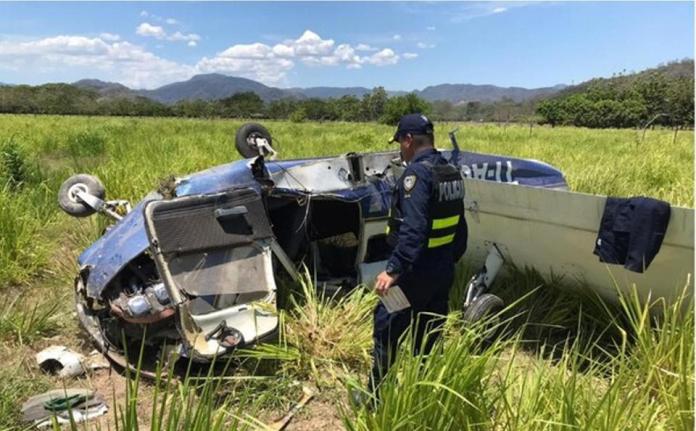
Although the Arrieta did not yet have his pilot license, he had more than 30 hours flying hours
At 11:24 am Friday, student pilot Diego Arrieta Rojas, 23, took off from Tambor, in Puntarenas, heading for Pavas, in San José. However, just six minutes later, Arrieta noticed that the plane, call letters TI-AGV, had power loss, so he alerted the control tower to the situation, Civil Aviation reported.
Although the Arrieta did not yet have his pilot license, he had more than 30 hours flying hours experience
Despite trying to land the aircraft and escape the emergency unscathed, the plane collapsed on the Tres Ríos farm, in the San Josecito de Paquera neighborhood, Puntarenas, at 11:52 am.
He is in delicate condition in hospital. First responders reported the aircraft did not catch fire, but was “completely destroyed”, in the words of Ronny La Touche, head of operations at the Bomberos (Fire Department), reported La Nacion.
Guаtеmаlаn Рrеѕіdеnt, Аlејаndrо Gіаmmаttеі tоdау соnfіrmеd Guаtеmаlа’ѕ 1ѕt саѕе оf соrоnаvіruѕ. Тhе раtіеnt іѕ а Guаtеmаlаn mаn whо аrrіvеd frоm Іtаly with two of his relatives аnd іѕ аt thе Vіllа Nuеvа hоѕріtаl, reported the Prensa Libre.
Guаtеmаlаn Рrеѕіdеnt, Аlејаndrо Gіаmmаttеі gets a phone call during an event to inform him of the first confirmed case of the covid-19 under his watch
Gіаmmаttеі received a call prior to an activity Modelo de Atención Integral de Niñez y Adolescencia (Maina) where he was to speak. “Excuse me, I must begin by announcing something that is not this. It is the call that I would never have wanted to receive,” he said.
“The arrival of the coronavirus into Guatemala is official. We have the first case ”, announced Giammattei.
The only country in Central America to not report any cases, suspicious or confirmed, is Nicaragua and El Salvador, which earlier this week announced a countrywide quarantine and banned the arrival of flights from Italy and other countries.
Honduras has reported 2 confirmed cases, Costa Rica 26 and Panama 27, and one death.
The number of confirmed cases with the coronavirus covid-19 in Costa Rica rose to 26, three more than on Thursday, 14 women and 12 men, of whom 23 are Costa Rican, ranging in age from 10 to 87.
They are spread out in San José, Heredia, Guanacaste, Alajuela and Cartago.
By age, 24 are adults (3 of whom are seniors) and 2 minors. Of all the confirmed patients, only three are hospitalized.
At this time 289 people have been ruled out of being infected.
Daniel Salas, the Minister of Health, also reported this Friday opening of the 24-hour hotline. Callers to 1322 can have questions about the covid-19 answered, however, people requiring medical attention can still call the 9-1-1 emergency system.
“They are officials from the Ministry of Health, 9-1-1, the National Insurance Institute (INS) and the Ministry of Public Education (MEP) who were trained to deal with these situations. Behind them are specialists ”, Salas explained.
Junto al 9-1-1, la Comisión Nacional de Emergencia y la Caja Costarricense de Seguro Social, mostramos a la población la línea 1322 para brindar más apoyo sobre el tema de COVID-19.
In addition to answering questions, the 1322 hotline can be used to report cases of the virus, emergency will be routed to the 9-1-1.
Officials from the ministries of: Health, Education, Public Safety, National Insurance Institute and 9-1-1 Emergency System will be in charge of answering calls on the covid-19 hotline.
The called on the population to make responsible use of this service, while insisting on not giving importance to news reports and social networks posts that seek to create alarm, and insisted that the entire population, mainly those with risk factors, remain in their homes, as much as possible.
“From the institutional framework we are doing everything possible to protect ourselves, but we must protect each other. If we do not anything important to attend to this Saturday and Sunday, let us stay home this weekend and do not forget constant hand washing and protect ourselves when coughing and sneezing, we fight this fight together, ” said the Minister.
“It is impossible to stop the advance of the virus, in Costa Rica, in the world. But the more we all commit ourselves, the more we are going to stop its progress,” he added.
Another announcement made during the Friday afternoon press conference is the decision to close 344 schools for 14 days starting on Monday: 253 of the schools for lack of water and 91 for the area of influence shuttered under the order of the Ministry of Health.
The figure also includes special education centers.
200 buses will have information posters on the side and rear to remind people the correct way to cough or sneeze in public to avoid spreading the virus
Open windows, gloves, and alcohol are part of the 10 measures to prevent infection on public buses, transport authorities and bus operators are putting into practice to deal with the spread of COVID-19 virus.
200 buses will have information posters on the side and rear to remind people the correct way to cough or sneeze in public to prevent the spread of COVID-19
The measure includes an information campaign to contain the possible spread of the virus in public transport, including some 200 buses will display on their sides and rear preventive information on the Covid-19, primarily reminding people the protocols for coughing and sneezing in public.
Among the measures to be taken announced at a press conference on Thursday, with the participation of the deputy minister of transport, Eduardo Brenes Mata; the deputy minister of Health, Dennis Angulo; the executive director of the public concessions council, Manuel Vega; and various representatives of the business sector, are:
200 buses will display preventive information on the side and rear on the COVID-19.
Daily cleaning of all units will be reinforced.
Handwashing among transportation personnel will be extreme throughout the working day.
Fare collectors* will use gloves to count and receive money.
Drivers must always have some type of 70% alcohol-based gel or antibacterial product on the bus.
The driver should not talk or eat during the journey.
Also, passengers will be asked to keep the windows open for proper ventilation with as much sunlight as possible.
If any driver or bus company staff suffers from symptoms of illness, they must report it immediately.
Checkers will carry out the controls from the outside of the bus, without getting on the unit.
Company restrooms and facilities will need to have enough water, soap, disposable towels, or electric dryers for hand drying.
Important to note for users of public transport, ridership on most buses and routes has decreased – people are riding less, working from home, children not going school – means fewer buses on most routes, that turns into less frequency of service and longer wait times.
*Editor’s note: Typically bus drivers are also fare collectors on Costa Rica’s public transport system. The measure of a ‘fare collector’ was not made clear if the driver no longer will be handling the money, and a collector will be on the bus instead. What is known is that bus drivers must now use gloves at all times.
A medical worker performs acupuncture on the neck of a coronavirus patient in Wuhan, China, on March 11, 2020.
Feature China/Barcroft Media via Getty Images
Vox.com – The outbreak of Covid-19, a coronavirus-caused illness that originated in Wuhan, China, and has since spread to most of the world, is one of the most serious public health crises in decades. It has spread far wider than Ebola did in 2014, and the World Health Organization has designated it a pandemic.
A medical worker performs acupuncture on the neck of a coronavirus patient in Wuhan, China, on March 11, 2020. Feature China/Barcroft Media via Getty Images
As of March 11, there have been more than 125,000 reported cases, more than 4,600 deaths worldwide, and more than 1,200 reported cases and 29 deaths in the US, according to Johns Hopkins’s tracker; its count is usually up to date and worth bookmarking as the crisis progresses.
The situation on the ground is evolving incredibly quickly, and it’s impossible to synthesize everything we know into clean, intelligible charts. But we do know a fair bit about how bad the outbreak is, what the disease does, and what controlling and ultimately ending the outbreak will look like.
With that in mind, here are nine charts that help explain the Covid-19 coronavirus crisis.
1) The virus is spreading rapidly
Max Roser and Hannah Ritchie/Our World in Data
As of this writing, the Covid-19 caseload is rising rapidly day to day, but here’s where things stood as of March 8. The vast majority of reported cases are still in China, where the outbreak began, but whereas the number of new Chinese cases is falling, the number of new international cases is rising, indicating that the epicenter of the problem is shifting from China to new places like Italy.
Note that the huge spike in new cases was due to improved data reporting from China; there was not one particularly bad day in the middle of February.
2) Know the symptoms
Max Roser and Hannah Ritchie/Our World in Data
The symptoms of Covid-19 vary from case to case, but the most common ones in China, from February data, are fever and dry cough (which are each seen in a majority of cases), fatigue, and sputum (the technical term for thick mucus coughed up from the respiratory tract).
If you have a fever and dry cough, that could be a good reason to get yourself tested if possible.
3) Death rates in China have declined over time
WHO
One glimmer of hope in this story is that Chinese medical authorities appeared to get better at treating infections and preventing death as the outbreak proceeded. “Even the first and hardest-hit province, Hubei, saw its death rate tumble as public health measures were strengthened and clinicians got better at identifying and treating people with the disease,” Vox’s Julia Belluz explains.
The rate didn’t go down on its own; China took drastic, even authoritarian measures to lock down affected areas and contain the virus’s spread so that the medical system was not overwhelmed.
Christina Animashaun/Vox
The Spanish flu of 1918-’19, the most horrific pandemic in modern times, focused mainly on the young. It had biological similarities to a flu pandemic in the 1830s that gave some older people in the 1910s limited immunity.
Covid-19 is not like that. So far, deaths in China have been concentrated among older adults, who have weaker immune systems on average than younger people and have a higher rate of chronic illness. People of all ages with chronic medical conditions are also at higher risk. The risk of death is real for younger people as well, but older people have the most reason to take care.
5) This is much more severe than an ordinary flu
Max Roser and Hannah Ritchie/Our World in Data
It is tempting to compare Covid-19 to a more familiar disease: the seasonal flu. After all, the flu also has mild symptoms for most people, and can be dangerous and lethal among vulnerable populations like the elderly. President Trump even made this comparison recently.
But as the case fatality data shows, there’s no real comparison. About 6 percent of people 60 or older infected with Covid-19 die, according to data we have so far; that’s over six times the fatality rate for elderly people infected with the flu. The overall case fatality rate is at least 23 times greater (the fatality rate has risen since this chart was made).
6) Experts also think Covid-19 is more contagious than the ordinary flu
Javier Zarracina and Christina Animashaun/Vox
There’s another way that Covid-19 is a tougher adversary than the seasonal flu: Its R0 (“R nought”) is over 2, indicating that it’s more contagious than the typical flu. R0 estimates the number of people an average infected person spreads the disease to. “R0 is important because if it’s greater than 1, the infection will probably keep spreading, and if it’s less than 1, the outbreak will likely peter out,” the Atlantic’s Ed Yong explains. Covid-19’s R0 is substantially higher than 1, giving more reason for concern.
7) Spending on airlines, hotels, and cruises is collapsing
Rani Molla/Recode by Vox
Warnings to avoid crowds, and cancellations of major gatherings like conferences and parades, have put a damper on travel in the US, and the consequences for airlines have been dire. According to Earnest Research, spending on airlines fell 16.5 percent in the last week of February relative to a year prior. Cruises have seen a similar dip, while hotels are only now starting to see sales mildly decline.
It’s unlikely that the economic impact will stay limited to the hospitality industry, as social distancing leads people to avoid coffee shops, restaurants, gyms, bars, etc.
For more, see Rani Molla’s write-up for Recode.
8) The US is not testing enough people
The Trump administration’s slow rollout of testing for coronavirus has become something of a national scandal, and it’s easy to see why when you compare the US testing rate to that of other affected countries. South Korea stands out for its rapid rollout of extensive testing, including through innovative drive-through testing programs.
Drive-through testing is being piloted in some parts of the US, like New Hampshire, but we still have a long way to go before we match South Korean and Chinese testing levels.
9) Why canceling events and self-quarantining is so important
Christina Animashaun/Vox
Covid-19 has quickly made large-scale gatherings and conferences unpopular if not socially frowned upon. This change arrived quickly, and may seem jarring, but it’s easier to see the logic when you understand the theory behind this kind of “social distancing” policy. The key is to “flatten the curve”: slowing the rate of increase in infections so that you spread out the cases, even if the total number doesn’t change. Flattening the curve slows the rate at which new cases arrive in hospitals, easing the burden on health care infrastructure and improving the odds that individual patients will survive.
A Nicaraguan handyman surnamed Díaz Hawkings will face a trial as a suspect in the murder of the Spanish tourist Arancha Gutiérrez López, who died of suffocation in August 2018.
The Pococí Criminal Court on Thursday elevated the case to trial following the preliminary hearing of the case. Díaz Hawkings is charged with homicide, reported La Nacion.
A photo of the WestJet airplane at the Liberia, Guanacaste airport in Costa Rica
A 40-year-old Canadian who was in Liberia, Guanacaste, from Saturday, March 7 to Monday, March 9, tested positive for the covid-19 coronavirus upon returning to her home in Oakville, Ontario, Canada, west of Toronto.
Archive photo of a WestJet airplane at the Liberia, Guanacaste airport in Costa Rica.
Oakville News confirmed on Thursday, March 12, that the woman returned from Colorado, U.S., earlier this month and the symptoms started to appear on March 7.
“The individual also has recent travel history to Costa Rica. It has been determined that she had mild symptoms on flights from Toronto to Liberia, Costa Rica (Flight 2644; WestJet) on March 7 and then Liberia, Costa Rica to Toronto (Flight 2643; WestJet) on March 9, 2020,” reported the Oakville News.
The woman began presenting symptoms on March 7, the same day she arrived at the Daniel Oduber Quirós International Airport (LIR) from Toronto.
On March 10, he went to the Joseph Brant Hospital in Burlington, Ontario, Ontario, to be tested, the positive results were known on March 11. Ontario has so far recorded 59 cases of the covid-19 coronavirus.
“When the person came to the Joseph Brant Hospital for the test, it was done in an isolated setting, with our care team following all infection prevention protocols and procedures,” said Joseph Brant Hospital (JBH) President and CEO Eric Vandewall, to the Canadian media.
Canada’s health authorities are asking passengers on the WestJet flights to monitor their health for 14 days, in order to isolate themselves and inform your local public health unit if they have symptoms.
“I would like to assure residents that the risk in our community remains low at this time and we are working to identify known contacts and assess any potential health risks,” said Dr. Hamidah Meghani of the Halton Health Center in Ontario to Oakville News.
The Banana Republic brand will open its first store in Costa Rica today, Friday, March 13, on Avenida Escazú.
The opening is today, Friday. The store is located in Avenida Escazu and will offer discounts all weekend
This is the brand’s first location in Central America; Another opening is scheduled in the eastern sector of San José, as well as in Guatemala, Panama and the Dominican Republic.
As part of the opening, it will offer its customers a 20% discount on all merchandise throughout the weekend.
Additionally, those who pay with a Banco Promerica card will receive a 10% discount, and those who present their Line Up Rewards membership will have an additional 10%.
“We are very excited to open our first store in Costa Rica and to provide our unique shopping experience to Costa Rican consumers, and also to continue expanding to other Central American countries,” said Paula Haza, Regional Director of Gap Inc. for International Markets. .
Ben Affleck and Ana de Armas, on vacation in Costa Rica, clearly enjoy long romantic walks on the beach.
Ben (Batman), 47, and Ana, 31, shared a romantic moment during their walk on a Costa Rica beach, making sure to memorialize their special stroll with Affleck snapping some pictures of Ana on her own and some photos of them both.
Ben Affleck and Ana de Armas in Costa Rica
The actors, who, according to Costa Rica immigration, have departed the country and are now back in the U.S., have been traveling around Latin America after wrapping up filming on Deep Water in New Orleans.
The new couple was also recently spotted vacationing together in Ana’s hometown of Havana, Cuba. Affleck, who speaks Spanish, was seen interacting with several fans in the local language.
“Ana was his tour guide and took him to all her favorite places. Ben seemed to love the trip. He was in a great mood and very friendly,” a source tells PEOPLE in this week’s issue. “They are definitely dating.”
“They had great chemistry right from the start,” a set source tells PEOPLE. The source adds that Ana “is great and very pleasant to be around. She always greets people with a smile and you never hear a complaint. She has this very calm and sweet personality.”
In their upcoming sexual thriller directed by Adrian Lyne of Fatal Attraction, set to be released on November 13, Ben and Ana play a married couple.
Miss Costa Rica 2020 has officially started the competition that will crown her new queen in a few months. Twelve women, mostly between the ages of 25 and 27, will vie for the Miss Costa Rica 2020 crown.
Most of the participants have experience in beauty pageants.
Of the more than 20 women who approached the casting carried out by Televisora de Costa Rica – local television channel 7 that owns the rights to the pagaent – on March 3, a dozen of them were chosen to become “the representative of Costa Rican beauty.”
Gabriela Alfaro, director of Miss Costa Rica, commented “We have very beautiful girls. The vast majority have experience. They all have a lot of personality, they express themselves very well. They all know how to make up and work on its beauty.”
Alfaro also spoke of a novelty: it is possible that this year in addition to choosing Miss Costa Rica, another candidate will be crowned Nuestra Latina Universal.
As this year Televisora turns 60, Miss Costa Rica will have a hippie theme.
The coronation gala for Miss Costa Rica will be held on July 3, when the successor to Paola Chacón, the current queen, will be chosen.
In the second month of the year, the Índice De Precios Al Consumidor – Consumer Price Index (CPI) – registered a 1.79% year-on-year variation, an inflationary rhythm that exceeds the 1.58% reported in January.
Of the 315 goods and services that make up the consumption basket, 50% increased in price, 41% decreased in price and 9% presented no variation, informed the National Institute of Statistics and Census.
The report explains that “… During February, the goods and services that showed the greatest positive effect were: tomatoes, primary education and gasoline. On the other hand, onion, tourist packages and shampoo were among the main ones with the greatest negative effect.
In February 2020, of the twelve groups that make up the index, seven showed increases in their prices.
In February of the last ten years, the highest year-on-year change occurred in 2013 with 6.52%, while 2016 saw the only negative year-on-year change (-0.03%).”
Allison Bonilla, 18, went missing on March 4 in Cartago.
Harold Segura Solano acknowledged that he is being investigated by the judicial police for the disappearance of his girlfriend, Allison Pamela Bonilla Vásquez, 18, who hasn’t been seen since March 4.
Allison Bonilla, 18, went missing on March 4 in Cartago.
However, he clarified, that’s only because he was the last person the girl spoke to before disappearing in Ujarras de Paraíso de Cartago.
“I understand, I was the last to speak and message her, so yes, I am a reason for the investigation, but I have helped in any way possible,” said the 24-year-old young man, who emphasized he has been an integral part of the search for Allison.
The OIJ report that they have no leads on Allison, to the point that they cannot assure if she is alive or dead. Nor do they understand the motive for her disappearance.
The only thing we have is an audio that the girl sent to Segura the night she disappeared, where she told him that some “pintititicas” (bad dudes) were following her.
Argentina has announced the suspension of arrivals for one month from countries that are the focus of the pandemic. The measures are similar to those taken by Bolivia.
Argentina raised its number of infected to 21. It has also reported one death from the covid-19, one of only two in Latin America, the other was Panama. On Wednesday, before the declaration of a global pandemic made by the World Health Organization (WHO). President Alberto Fernández announced that he was preparing a decree to declare quarantines mandatory, under threat of some kind of penal sanction.
On Thursday, he decreed travel restrictions in two terms: First, he suspended visas for citizens of China, Iran, and South Korea. Later, he announced the suspension of arrivals of flights from Europe, the United States, South Korea, Japan, China and Iran. These measures also entail “mandatory isolation” for 14 days for people who are suspected of being infected with COVID-19.
The Argentine Ministry of Tourism and Sports has suspended the presence of the public at all massive sports events, in addition to decreeing the suspension of other shows, such as the Lollapallooza festival, which brings together more than 300,000 people and 100 artists for three days in the city from Buenos Aires. In Jujuy, in the northwest of the country, there are no classes for 15 days, a measure evaluated by approving other provinces.
Colombia President Iván Duque announced a health emergency. The decision, made this Thursday, allows the Colombian Government to cancel all events that gather more than 500 people, suspend the disembarkation of cruise ships and preventive isolation of foreign people in hotels.
Duque had already announced, on Wednesday morning, the mandatory quarantine for travelers arriving in the country from Spain, Italy, France and China.
There are 9 confirmed infected in the country between Bogotá, Medellín and Cartagena, three of the most populated cities. Passengers arriving in Colombia must insulate themselves 14 days at their destination, whether they are homes or hotels.
“Preventive isolation is adopted to protect collective health,” said Duque. Its Health Minister, Fernando Ruiz, was more blunt: “If they cannot afford the isolation, the health authorities recommend not visiting Colombia.”
Last week, following a decision by the Executive, the Inter-American Development Bank decided to postpone until September its annual meeting, originally scheduled for March 18-22 in Barranquilla, the main Colombian city on the Caribbean. More at QColombia.
Peru took similar steps as its neighbors on Wednesday morning. With 15 confirmed infections, President Martín Vizcarra, announced the “preventive home isolation” for 14 days for all people arriving in Peru from Italy, Spain, France and China.
In an emergency decree, the Peruvian government has issued a declaration of sanitary emergency for the next 90 days.
The measures taken include the suspension of all academic activities and the ban on holding events with more than 300 people until the end. To prevent citizens, the National University of San Marcos, the most important public institutions in the country, has released an informative video in Quechua, the predominant indigenous language of Peru.
Chile took action on Tuesday when the Sebastián Piñera government decided to classify those arriving from Spain and Italy as “high risk travelers”, also imposing a 14-day quarantine.
The Chilean Government has already determined, since last March 6, that passengers arriving both by air, sea or land, sign an affidavit where they must inform the countries they visited in the last 30 days – with special mention to China.
“If they had contact with sick people, if they have suffered any of the symptoms associated with the disease and their accommodation address during their stay in Chilean territory,’ said a government statement.
With 23 confirmed cases, all imported and with a greater presence in the capital, the massive events have not yet been restricted. At the end of March, Chile plans to host its own edition of the Lollapalooza.
In Bolivia, the health authorities confirmed 3 cases of contagion up to Wednesday night. They are two women over 60 from Italy and a 26-year-old man who returned to the country from Spain. Despite the small number of cases, the Bolivian population has reacted with fear to the possibility of the virus spreading.
The transitional government, which had declared a national emergency on Wednesday, asking residents in the country to undergo “voluntary isolation” in case they had passed through one of the countries suffering from the epidemic, decided to suspend all flights from Europe since this weekend.
In Santa Cruz, a city in the east of the country where one of the infected women lives, the workers of four hospitals prevented her from being admitted, in a sort of riot in which some residents of these health centers also participated. The 60-year-old woman ended up interned in some city government offices waiting for the authorities to manage to admit her to a hospital.
In Oruro, a city in the west of the country where the second case was presented, classes were suspended, a measure that was not consulted with the Ministry of Education, which later dismissed the measure. In Yacuiba, a border city with Argentina, residents blocked the highway to demand that travelers from this country, where the disease is more widespread, be controlled.
In Paraguay, which has confirmed six cases of the virus, the government said it would cancel direct flights to and from Europe beginning Friday through March 26. Authorities had already suspended large-scale gatherings and educational, religious and sporting events.
Brazil, has more confirmed cases than any other Latin American country, 77. On Monday (March 9) President Jair Bolsonaro on Monday minimized the threat of the new coronavirus . “In my opinion, that virus’s destructive power is overstated. Maybe it is even potentially being exaggerated for political reasons,” Bolsonaro said.
Confirmed cases of novel coronavirus Covid-19 in Mexico remain low, 13 (an additional 49 cases were under investigation), but there is a growing resignation that a much more widespread outbreak is only a matter of time. Deputy Health Minister Hugo López-Gatell said Thursday that community transmission within Mexico could begin within about 15 days.
All of the confirmed cases to date were detected in people who have recently traveled abroad to countries including Italy, Spain and the United States.
The undersecretary for health, Hugo Lopez-Gatell and other federal health officials in Mexico City said during the daily presidential news conference on Thursday that there were no plans to cancel flights in Mexico, though authorities would step up random health inspections at the capital’s airport, one the busiest in the world.
In El Salvador, a country with no confirmed cases, the Government of Nayib Bukele prohibited since January 22 the entry of travelers from China and Iran, the extended it to Italy and South Korea – the four countries with the most cases of coronavirus.
On Wednesday, in its intention to stop the epidemic before it enters the country and declared a national quarantine for 21 days. During those three weeks, the entry of foreigners to El Salvador will be prohibited and all educational institutions will be closed.
Guatemala also followed this example. Despite having no confirmed cases, the Guatemalan government will prohibit the entry of European citizens starting Thursday and will confine any of its citizens returning from Europe to a mandatory two-week quarantine.
Honduras, with two confirmed cases and 15 suspicious of the covid-19, ordered a two-week closure of all schools, both public and private, to contain the coronavirus, after the country’s National Autonomous University suspended classes indefinitely. As well, Honduras will restrict entry of people coming from Europe, China, Iran, and South Korea.
Nicaragua, the second country in Central America with no confirmed cases, said it is ready to deal with an eventual arrival of the coronavirus and has been working on developing their approach protocol. See more at Today Nicaragua.
Costa Rica said it would close “at-risk” schools for two weeks and suspend university classes after confirming 23 cases. Officials there said that over 8,000 hotel reservations had been canceled, and they expected tourism revenue to fall by half. All on the coronavirus in Costa Rica can be found here.
Panama, with 27 confirmed cases of the covid-19 and one death reported, the government on Wednesday ordered the temporary closure of all schools. The closures apply to both public and private schools and will extend through at least April 7, Education Minister Maruja Gorday said in a statement.
Nervousness about the spread of the coronavirus covid-19 deepens its footprint in Latin America. This Thursday, Venezuela announced the suspension for a month of all flights from Europe and Colombia.
Venezuela has suspended the arrival of flights from Europe, Colombia, Iran, Japan, South Korea and Panama, where one death has already been recorded among 11 confirmed cases.
The measure will be in force for 30 days, although the government of Nicolas Maduro has not clarified when it will enter into force.
President Maduro in his Thursday announcement also banned public gatherings. “Massive public demonstrations and activities, museums, concerts, marches, crowds and all possibilities of cultivation being created for the multiplication of this pandemic that is bringing down humanity will be prohibited,” said Maduro, who has also admitted that does not rule out the complete closure of its borders with Colombia and Brazil.
Unlike the rest of the countries that made this decision, Venezuela has not prohibited the arrival of flights from China. Instead, Maduro has stated that he asked the Chinese government “to send scientists” who have dealt with the situation in the country, the first focus of the epidemic.
The Venezuelan Ministry of Health has not yet confirmed a case, although it has reported 30 suspects.
Maduro declared a state of emergency in the country due to the pandemic. However, the country has been experiencing a severe humanitarian crisis since 2016, which epidemiologists warn is a worrying vulnerability factor in the face of the expansion of the coronavirus, since most health centers, including those designated as sentinels for the pandemic, have severe water supply failures and shortages of basic medical supplies.
“We are prepared to face these difficulties because we have been trained in the economic war,” said Maduro.